
What Are the Benefits of Digital Kiosks?
What Is a Digital Kiosk?
A digital kiosk is a self-contained, interactive system designed to help users complete tasks independently without the need for direct human assistance. Typically, these kiosks feature a touchscreen interface, specialized software, and internet connectivity to process transactions, provide information, or guide users through processes.
For example, you might encounter a kiosk in a mall where you can search for store locations, check prices, or even place orders. In airports, kiosks allow travelers to check in, print boarding passes, and even pay for baggage without queuing. The flexibility of digital kiosks makes them suitable for almost any customer-facing scenario.
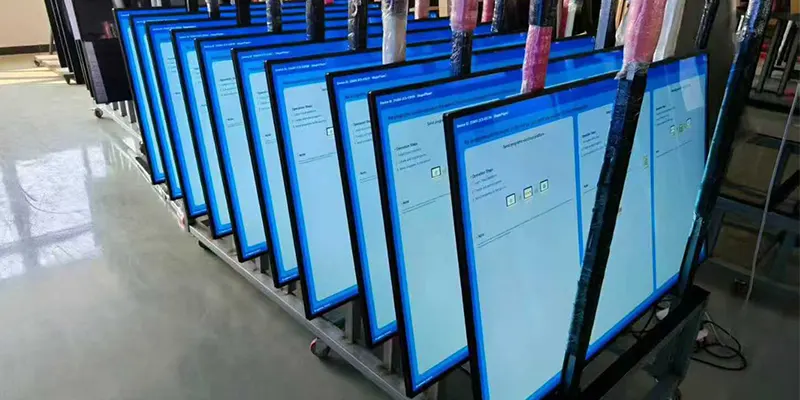
Why Digital Kiosks Are Growing in Popularity
The rise of digital kiosks is driven by both consumer behavior and business needs. Today’s customers demand faster service, personalization, and control over their transactions. At the same time, businesses are looking for cost-effective solutions to reduce labor costs, improve efficiency, and enhance the overall customer experience.
Digital kiosks address these needs perfectly. They offer round-the-clock service, reduce human errors, provide up-to-date information in real time, and give customers an interactive, engaging experience that traditional service counters simply cannot match. As a result, adoption across retail, hospitality, healthcare, and transportation continues to grow at an unprecedented rate.
Key Benefits of Digital Kiosks
Digital kiosks offer a wide array of advantages, from improving customer satisfaction to increasing business efficiency and generating revenue. Let’s dive into the major benefits in detail.
1. Improved Customer Experience
Faster Service
One of the most noticeable benefits of digital kiosks is speed. Traditional service counters often become bottlenecks, especially during peak hours. Digital kiosks allow multiple users to complete transactions simultaneously, significantly reducing waiting times.
For instance, in a busy fast-food restaurant, self-service kiosks can process orders in a fraction of the time it takes at a cashier’s counter. Customers can browse the menu, customize items, and pay all in one seamless flow. Airports use similar systems for check-ins, allowing hundreds of travelers to complete their registration efficiently without long queues.
By reducing waiting times and streamlining transactions, kiosks improve satisfaction and create a more enjoyable customer experience.
Self-Service Convenience
Digital kiosks give customers control over their own experience. Instead of relying on a staff member, users can explore options, compare products, or access services at their own pace. This autonomy is particularly appealing to modern consumers who value independence and efficiency.
Whether it’s selecting a meal, booking a ticket, or retrieving information, the self-service aspect eliminates pressure, reduces errors, and enhances the overall interaction. Customers appreciate being able to double-check details and make decisions without waiting for assistance.
2. Increased Business Efficiency
Reducing Labor Costs
Digital kiosks handle repetitive and routine tasks, freeing up staff to focus on high-value activities. Tasks like taking orders, printing tickets, providing basic information, or processing payments can all be automated through kiosks.
Businesses save significantly on staffing costs. For example, a fast-food chain might reduce the need for multiple cashiers during peak hours while maintaining a fast, smooth service flow. This allows managers to allocate resources more efficiently, cutting overtime and recruitment expenses while improving overall productivity.
Streamlining Operations
Kiosks connect directly to central business systems, automating key processes and ensuring consistency. Orders, payments, and inventory updates are instantly synced across all locations, reducing human error.
This integration improves workflow efficiency. Employees no longer need to manually input data or correct mistakes, which speeds up service and ensures that customer requests are fulfilled accurately. By streamlining operations, kiosks reduce operational chaos, enhance reliability, and improve the business’s ability to scale.

3. Enhanced Engagement and Interaction
Dynamic Digital Displays
Digital kiosks are more than just functional—they’re attention-grabbing. High-resolution screens with vibrant graphics, animations, and interactive elements immediately engage users.
Businesses can use kiosks to promote products, highlight offers, or guide users through services in a visually appealing manner. Unlike static posters or printed signs, digital displays can adapt dynamically to trends, time of day, or customer behavior, keeping content fresh and engaging.
Personalized Content
Modern kiosks can tailor content based on individual users. For example, a kiosk might display lunch options during noon hours or recommend products based on past purchases or browsing behavior.
Personalization makes interactions feel more meaningful and increases customer satisfaction. By providing tailored experiences, kiosks strengthen brand loyalty and encourage repeat usage.