
How In-Store Digital Signage Is Transforming Retail: Benefits, Challenges, and a Real-World Case Study
In the highly competitive retail market, In-Store Digital Signage has become a crucial technology for many retailers seeking to enhance in-store customer experiences and operational efficiency. In-store digital signage uses high-definition dynamic screens to display product details, promotional offers, and interactive content in real time, replacing traditional static signs that quickly become outdated. This creates a more engaging and informative shopping environment for shoppers. Retailers worldwide are increasingly adopting in-store digital signage solutions to meet the evolving expectations of digital consumers and optimize the entire shopping journey from store entry to checkout. Real-world implementations show that strategically deployed in-store digital signage not only extends customer dwell time but also effectively drives sales conversions.
1. What is In-Store Digital Signage?
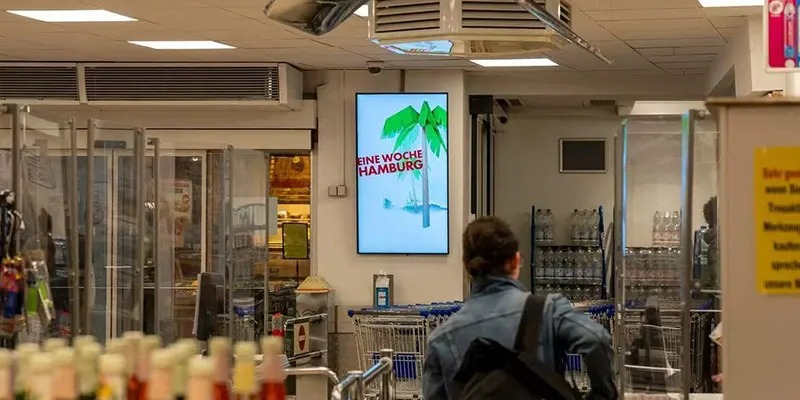
In-store digital signage encompasses various digital display systems installed within retail stores, including LCD screens, LED video walls, and interactive touch kiosks. These solutions are powered by professional content management systems (CMS) that allow for remote control and real-time content updates. Compared to conventional paper or plastic signage, its key advantages include flexibility, multimedia capabilities, and sustainability. Retailers can instantly update promotions, showcase product videos, or display live inventory information. This technology significantly improves communication efficiency and helps customers make informed purchasing decisions faster. In categories such as sporting goods, supermarkets, and fashion retail, in-store digital signage can dynamically adjust content based on foot traffic, enhancing navigation and overall shopping convenience.
2. Common Challenges in Traditional In-Store Retail Marketing
Retailers frequently face issues such as delayed information updates, poor customer wayfinding, and difficulty in measuring promotional impact. Changing seasonal promotions often requires labor-intensive poster replacements, which can lead to missed opportunities when updates are delayed. In large stores, customers may struggle to locate products or miss key displays entirely. In-store digital signage addresses these pain points through centralized content management. Managers can update messaging across all locations remotely and in real time. When integrated with sensors, displays can automatically adapt content according to customer flow — for example, showing welcoming messages and bestsellers near entrances. This improves traffic flow and makes the shopping experience more seamless, helping physical stores remain competitive.
3. Case Study: Sports Retailer’s In-Store Digital Signage Deployment
A strong example is a leading American sporting goods and outdoor retailer. To create more immersive shopping experiences, the company installed over 460 high-resolution LED displays across 34 large-format stores. The screens were strategically placed in five key zones: footwear areas, store corners, columns, staircases, and other high-visibility locations. Content highlighted local sports culture, brand storytelling, and live events, all managed from a central platform. After implementation, customers reported a more vibrant store atmosphere and spent noticeably longer in the stores, creating additional opportunities for product discovery and cross-selling. This project demonstrates the scalability and effectiveness of in-store digital signage in large retail spaces.
4. Technology Selection and Content Management Best Practices for In-Store Digital Signage
Successful in-store digital signage deployment starts with selecting appropriate hardware and software. Commercial-grade high-brightness screens and reliable media players are essential for 24/7 operation in demanding retail environments. Cloud-based CMS platforms offer automated scheduling, multi-location control, and detailed performance analytics. Best practices for content include using short video loops, high-quality imagery, and clear messaging while avoiding information overload. Regular A/B testing helps optimize effectiveness. Integration with inventory and POS systems enables dynamic pricing and stock-level displays. Retailers also benefit from analytics that track viewing time and engagement, allowing continuous improvement and consistent brand experience across all locations.
5. Business Impact and Data Validation of In-Store Digital Signage
Multiple studies confirm the positive impact of in-store digital signage on retail performance. A four-year analysis of 237 promotional campaigns involving over 30 million transactions revealed an average sales lift of 8.1%, with particularly strong results for new product launches. Beyond increased dwell time, successful implementations like this retailer have opened new revenue opportunities through branded content partnerships. Operationally, content updates are much faster and more accurate, reducing labor costs and errors. By analyzing anonymous customer interaction data, retailers gain valuable insights for optimizing store layout and staffing. Long-term, in-store digital signage supports more data-driven retail strategies and helps brick-and-mortar stores stay relevant in the digital era.
Conclusion
In-store digital signage represents a significant evolution in retail presentation, moving from static to dynamic and interactive customer engagement. It effectively solves longstanding operational challenges while creating stronger connections between retailers and shoppers. As 5G, artificial intelligence, and augmented reality technologies advance, in-store digital signage will become even more intelligent and personalized. For retail leaders, starting with targeted pilot programs, focusing on quality content, and leveraging performance data are key to generating lasting value. When implemented thoughtfully, in-store digital signage helps physical retail thrive amid ongoing digital transformation.

FAQ
1. What is in-store digital signage?
In-store digital signage refers to digital display systems installed inside retail stores to deliver dynamic, up-to-date information and multimedia content to customers in real time.
2. How does in-store digital signage differ from traditional static signage?
In-store digital signage allows instant remote updates, supports video and interactive elements, and offers far greater flexibility compared to fixed traditional signs that require manual replacement.
3. What are the main steps involved in implementing in-store digital signage?
Typical steps include requirements assessment, hardware and software selection, content strategy development, pilot testing, full deployment, and continuous performance monitoring.
4. What kind of impact does in-store digital signage have on sales?
Industry studies show an average sales increase of approximately 8.1%, along with higher impulse purchases, better brand recall, and improved customer engagement.
5. Is in-store digital signage suitable for small retail stores?
Yes. Small retailers can begin with just a few screens for key promotions or menu boards. The investment is scalable and often delivers quick returns.
6. How do retailers maintain security and compliance with in-store digital signage?
Using secure CMS platforms with role-based access controls and following data privacy regulations ensures content security and regulatory compliance.