
Qatar Dynamic Digital Signage Success Story: Smarter Advertising in Public Spaces
As one of the fastest-growing smart cities in the Middle East, Qatar has embraced digital transformation across transportation, retail, tourism, and public services. Among the most visible changes is the rise of Dynamic Digital Signage, which is reshaping how brands communicate with people in public spaces.
From shopping malls and airports to metro stations and stadiums, digital signage has become an essential part of modern advertising in Qatar. Businesses are using intelligent display systems to deliver real-time promotions, interactive content, and high-impact visual experiences that traditional static billboards cannot match.
The Challenge: Capturing Attention in Busy Urban Areas
Qatar’s public spaces attract millions of residents, tourists, and business travelers every year. However, traditional advertising methods often struggle to keep audiences engaged in fast-moving environments.
Retail centers wanted more flexible promotions. Transportation hubs needed real-time information displays. Event organizers required scalable solutions capable of handling large crowds during international events.
Static posters and printed signage created several limitations:
High replacement costs
Limited content flexibility
Slow update processes
Reduced audience engagement
Lack of real-time communication
To solve these issues, businesses and public institutions turned to dynamic digital signage solutions.
The Solution: Smart Digital Signage Deployment
A leading digital signage provider partnered with retail brands, transportation authorities, and commercial property owners across Qatar to install high-brightness LCD displays, LED video walls, and cloud-based content management systems.
The project included:
Outdoor weather-resistant digital screens
Interactive touch kiosks
Smart wayfinding displays
Centralized remote content management
AI-powered advertising scheduling
These systems allowed operators to instantly update advertisements, announcements, and promotional campaigns across multiple locations.
For example, shopping malls could display morning promotions for coffee shops, lunchtime restaurant deals, and evening fashion campaigns—all on the same screen within a single day.
Real-World Results
The deployment of dynamic digital signage delivered measurable improvements across several sectors.
Increased Customer Engagement
Bright, motion-based content attracted significantly more attention compared to static advertising. Retail stores reported higher foot traffic and stronger customer interaction with promotional campaigns.
Faster Content Updates
Marketing teams could remotely manage hundreds of screens from a central platform. This reduced operational costs and eliminated the need for printed materials.
Better Public Communication
In metro stations and airports, digital signage improved passenger experiences by providing live travel updates, emergency notifications, and multilingual directions.
Enhanced Brand Image
Modern digital displays helped businesses project a more innovative and technology-driven image, aligning with Qatar’s smart city ambitions.
Why Digital Signage Works Well in Qatar
Several factors make Qatar an ideal market for advanced digital signage solutions.
Strong Smart City Development
The country continues investing heavily in smart infrastructure and digital transformation projects.
High Consumer Expectations
Residents and international visitors expect modern, interactive experiences in retail and public environments.
Major International Events
Large-scale global events increase demand for flexible communication systems capable of handling large audiences efficiently.
Harsh Outdoor Conditions
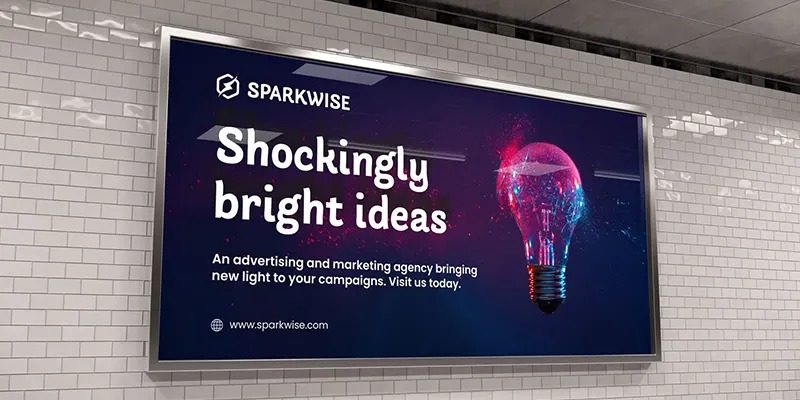
Professional outdoor digital signage systems are designed to operate in extreme heat and sunlight, making them suitable for Qatar’s climate.
The Future of Public Advertising
Dynamic digital signage is expected to play an even bigger role in Qatar’s future urban development. Emerging technologies such as AI analytics, audience recognition, and programmatic advertising will help businesses deliver more personalized and data-driven campaigns.
As public spaces become smarter and more connected, digital signage will continue evolving from a simple advertising tool into a complete communication platform.
For businesses looking to improve visibility, customer engagement, and operational efficiency, smart digital signage is no longer optional—it is becoming a competitive necessity.
FAQ
What is dynamic digital signage?
Dynamic digital signage refers to electronic displays that show multimedia content such as videos, advertisements, announcements, and real-time information. Content can be updated remotely and scheduled automatically.
Where is digital signage commonly used in Qatar?
Digital signage is widely used in shopping malls, airports, metro stations, hotels, restaurants, stadiums, corporate buildings, and outdoor public spaces.
Why is digital signage more effective than traditional advertising?
Digital signage offers brighter visuals, motion graphics, real-time updates, and interactive features that attract more attention and improve customer engagement.
Can outdoor digital signage handle Qatar’s climate?
Yes. Professional outdoor digital signage systems are designed with weatherproof enclosures, cooling systems, and high-brightness screens suitable for extreme temperatures and direct sunlight.
What industries benefit most from digital signage?
Retail, transportation, hospitality, healthcare, education, tourism, and real estate industries all benefit from digital signage solutions.
Is digital signage difficult to manage?
No. Most modern systems use cloud-based software that allows users to remotely manage content across multiple displays from a single platform.