
Smart LCD Screens in Stations: Revolutionizing Commuter Experience
Urban mobility is evolving rapidly, and transportation authorities are under pressure to provide more than just basic scheduling information. Today’s passengers expect convenience, real-time updates, and interactive content, all delivered through high-tech screens strategically positioned throughout stations. But smart LCD screens are not just tools for commuters—they’re also powerful assets for transit operators, providing opportunities for increased revenue through advertising screen and enhancing operational efficiency through integrated technology.
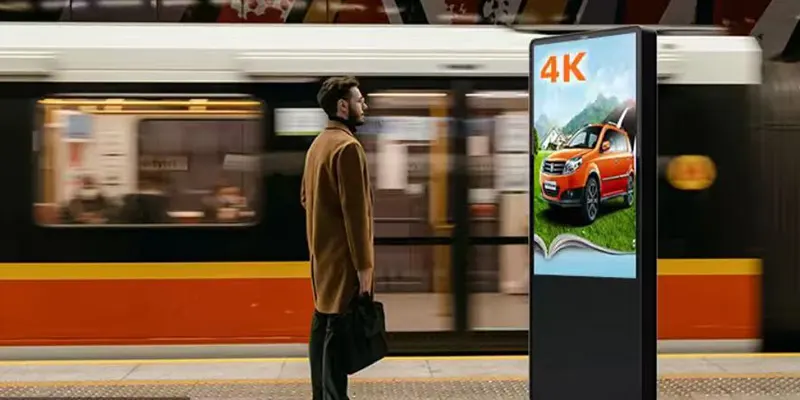
The Rise of Smart LCD Screens in Transit
From Static Boards to Digital Panels
Stations used to rely on printed schedules and static boards. While functional, these traditional signs lacked flexibility and could not update in real-time. Commuters often faced frustration when delays occurred, and staff had to manually replace information—a slow and error-prone process.
Digital panels changed everything. With networked screens capable of displaying dynamic content, stations could finally provide real-time updates, multimedia messages, and even interactive features. The transition marked the beginning of a new era in commuter convenience.
With the integration of high-definition LCD screen technology, these screens now offer clear visuals even in crowded or poorly lit stations. This visual upgrade ensures passengers can access information quickly and accurately, improving overall station efficiency.
Core Features of Smart LCD Screens
Smart LCD screens combine hardware and software to deliver dynamic information. Key features include high-resolution displays, touchscreen functionality, and connectivity for live updates. These screens can show train or bus schedules, emergency alerts, news, weather updates, and advertisements simultaneously.
They are also modular and scalable, meaning transit authorities can deploy them across multiple stations with centralized control. Remote management allows for instant updates without requiring on-site staff intervention, saving both time and labor costs.
Moreover, some advanced screens integrate AI to analyze passenger flow and behavior. This allows the system to display tailored messages, such as recommending less crowded exits or alerting passengers to train delays before they happen.
Why Passengers Love Them
From a passenger perspective, smart LCD screens enhance the travel experience. Real-time updates reduce stress and help commuters plan their journeys more efficiently. Interactive maps make navigation intuitive, even for first-time visitors or tourists.
Passengers also enjoy engaging content like news, entertainment clips, or gamified information, making wait times feel shorter. The combination of information and entertainment keeps commuters informed and entertained simultaneously.

Benefits Beyond Information
Real-Time Updates and Accuracy
One of the biggest advantages of smart LCD screens is their ability to provide real-time updates. Trains, buses, or flights often experience delays, and a timely alert can save commuters from missing connections or waiting unnecessarily.
These screens also reduce misinformation. Instead of relying on verbal announcements or printed schedules, which can be delayed or ignored, passengers see accurate information right in front of them.
The dynamic nature of these updates allows stations to display multiple messages in rotation. For instance, while one screen shows the next train arrival, another can display platform changes or emergency announcements without delay.
Enhanced Passenger Engagement
Smart LCD screens are no longer just functional—they’re interactive. Touchscreen interfaces allow passengers to explore station layouts, find amenities, or check schedules for connecting transit. This self-service model empowers commuters and reduces reliance on staff for basic queries.
Interactive content also helps passengers make informed decisions. For example, screens can suggest alternative routes during peak hours or highlight nearby shops and dining options, improving the overall station experience.
This engagement can also drive loyalty. Stations that are easier to navigate and more informative tend to receive positive feedback from passengers, boosting the reputation of the transit system.
Revenue and Advertising Opportunities
From a business perspective, smart LCD screens open up new revenue streams. Dynamic advertising allows brands to target specific demographics at key locations within stations, increasing engagement and conversion.
Unlike static posters, digital LCD screens ads can be updated instantly, showing different messages throughout the day. This flexibility makes advertising more attractive to companies and more profitable for transit authorities.
Furthermore, sponsored LCD screens content can offset operational costs, making investment in smart screens financially sustainable. This dual role—informing passengers and generating revenue—is a key factor in their widespread adoption.
Technology and Integration
Hardware Components
At the core of every smart LCD screen are its hardware elements. These include high-definition LCD panels, embedded processors, sensors, and network connectivity modules. Together, they ensure the screen runs smoothly and displays information clearly.
Sensors and cameras can track foot traffic, allowing LCD screens to adjust brightness, volume, or content based on the surrounding environment. This ensures LCD screens optimal visibility and interaction for passengers at all times.
High-quality hardware also guarantees durability in LCD screens high-traffic areas. Stations experience heavy use, and screens must withstand continuous operation, environmental factors, and potential tampering or vandalism.
Software and Content Management Systems (CMS)
Smart LCD screens rely heavily on CMS software to manage content. Through a centralized platform, operators can schedule messages, rotate ads, and push real-time alerts.
Advanced CMS systems can even use AI to optimize content. For example, data from passenger flows can trigger screens to highlight less crowded areas or alternative routes during rush hour.
This level of automation reduces LCD screens manual effort and ensures that the LCD screens right message reaches the right audience at the right time. It also allows for remote monitoring of screen health and performance, reducing downtime.
IoT and AI Integration
Integration with IoT devices elevates smart LCD screens from passive displays to LCD screens interactive components of station infrastructure. LCD screens can connect to ticketing machines, LCD screens security systems, or environmental sensors to provide comprehensive updates.
AI integration enables LCD screens predictive alerts, such as anticipating delays or optimizing crowd flow. It can even customize messages based on commuter LCD screens behavior, enhancing the user experience while increasing operational efficiency.
Real-World Implementation and Future Trends
Global Case Studies
Cities like Tokyo, London, and Singapore have embraced smart LCD screens technology extensively. Tokyo Metro uses interactive maps and real-time train updates, making it easier for passengers to navigate one of the busiest metro systems in the world.
London Underground integrates live updates with dynamic advertising, while Singapore MRT uses screens to provide multilingual announcements and crowd management alerts. These examples demonstrate how technology can transform busy transit hubs into intelligent, commuter-friendly environments.
Overcoming Challenges
Despite the benefits, implementation comes with challenges. High initial costs, ongoing maintenance, and cybersecurity risks must be managed. Technical failures can disrupt communication and affect passenger trust.
Proper planning, durable hardware, and secure software protocols are essential to minimize risks. Some stations also employ redundant systems to ensure critical information remains available even if one screen fails.
Future Innovations
The future of smart LCD screens looks promising. Innovations like augmented reality overlays, gesture-based controls, and AI-driven personalization will redefine the commuter experience.
Energy-efficient screens and solar-powered solutions are also being explored, making stations more sustainable. These advancements suggest that smart screens will not only improve convenience but also contribute to greener and safer transit systems.
Conclusion
Smart LCD screens have become indispensable in modern stations. They improve real-time communication, enhance passenger engagement, generate revenue, and integrate seamlessly with smart infrastructure. With continuous technological advances, these screens are poised to transform the commuter experience further, making stations more interactive, efficient, and enjoyable for all.
FAQs
Q1: What is a smart LCD screen?
A smart LCD screen is a high-definition digital display that provides real-time information, interactive content, and networked updates for passengers.
Q2: How do smart screens improve station operations?
They enhance crowd management, reduce manual announcements, provide predictive updates, and allow centralized control of content.
Q3: Can smart screens show personalized information?
Yes, with AI integration, screens can display tailored travel alerts, alternative routes, or advertisements based on passenger behavior.
Q4: Are these screens expensive to install?
While initial costs are high, revenue from advertising and operational efficiency often offsets investment over time.
Q5: What is the future of smart LCD screens in stations?
Future trends include augmented reality, gesture-based interaction, AI-driven personalization, and energy-efficient, sustainable displays.