The Impact of Digital Signage Board on the Hospitality Industry
Digital signage has become a game-changer in the hospitality industry, enabling hotels and other businesses to provide real-time information, enhance guest engagement, and streamline operations. Let's explore the key impacts in detail.
Improved Guest Engagement
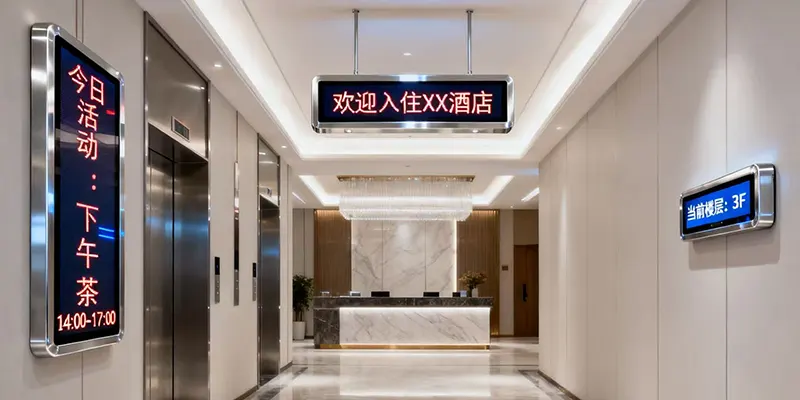
Digital signage boards are more than just informational tools—they play a crucial role in enhancing the guest experience by engaging and interacting with them. In the highly competitive hospitality industry, engaging guests through dynamic and personalized content is key to improving satisfaction and driving loyalty. By leveraging digital signage, hotels can communicate more effectively with guests, providing them with relevant, timely, and visually appealing information that creates memorable interactions.
Personalized Messaging
Personalization is a cornerstone of modern hospitality, and digital signage offers an excellent way to deliver tailored messages to guests. Imagine walking into a hotel lobby and seeing a warm welcome message with your name displayed on the screen, or perhaps a congratulatory note for your anniversary or birthday. This level of personalized communication not only surprises and delights guests but also strengthens their emotional connection to the brand.
In addition to personalized greetings, digital signage can also showcase individualized recommendations. For instance, if a guest is a frequent visitor or part of a loyalty program, the digital board can suggest activities or services based on their preferences or past stays, such as offering a spa discount or promoting a local event they might enjoy. This tailored approach fosters a more intimate and connected experience, making guests feel valued.
Dynamic Content Display
One of the standout features of digital signage is its ability to display dynamic content. Unlike traditional signage, which is static and limited to a single message, digital signage can rotate through a variety of content, keeping guests engaged and informed throughout their stay.
Dynamic displays can include everything from promotional offers, event schedules, local attractions, weather updates, and dining options, to social media feeds showing guest photos and comments. This variety not only keeps the content fresh but also ensures that guests have the information they need at their fingertips, all while providing a visually rich and engaging experience.
For example, a digital screen in the lobby could display the day's activities or local news, while another screen might show a rotating carousel of images featuring the hotel's amenities or guest testimonials. The more engaging and informative the content, the more likely guests are to interact with it.
Streamlined Information Delivery
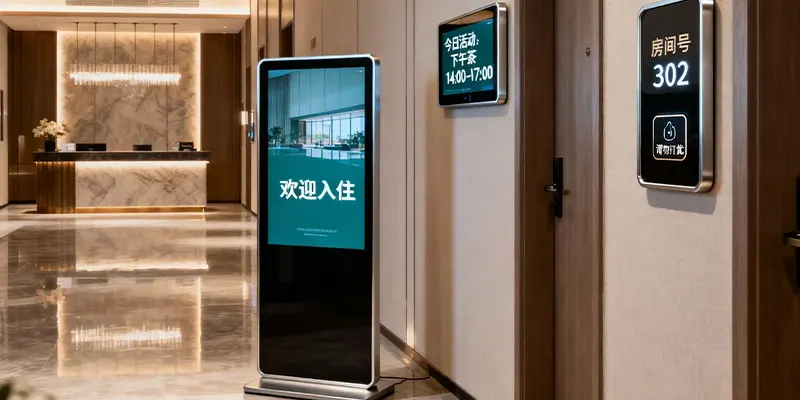
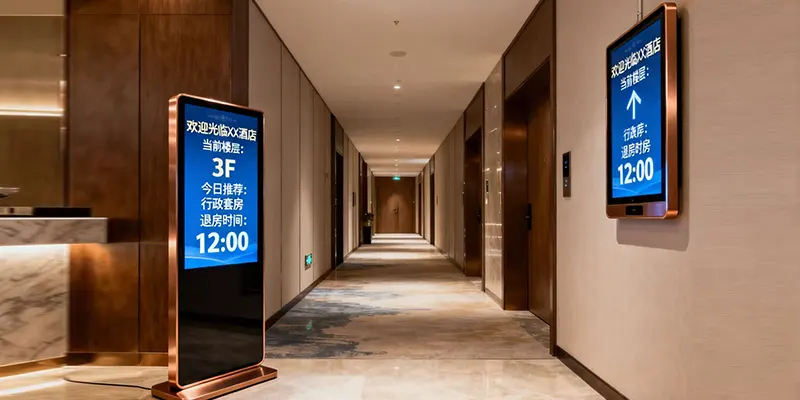
In the hospitality industry, timely and accurate communication is essential. Digital signage simplifies the process of delivering real-time information to guests, ensuring that they have easy access to the most up-to-date details without the need for manual intervention.
Real-Time Updates
Digital signage allows hotels to deliver immediate updates to guests, whether it's regarding event schedules, dining availability, or emergency alerts. For instance, if a scheduled event is delayed or the weather turns unfavorable, digital signage can instantly relay the updated information, helping guests stay informed and make better decisions during their stay.
Multi-Location Communication
Managing communication across various hotel areas can be challenging. Digital signage solves this by enabling centralized control over all displays. Hotels can update information across multiple locations—such as the lobby, elevators, dining areas, and conference rooms—remotely and simultaneously. This ensures consistency in messaging and saves time that would otherwise be spent manually updating each location.
Easy Content Management
With digital signage, content can be easily managed and adjusted without the need for printouts or physical signage changes. Hotels can use content management systems (CMS) to schedule, update, or modify content in real-time. This not only ensures that guests receive the latest information but also saves resources and reduces operational costs related to printing and distribution of materials.
Enhanced Branding and Promotions
Digital signage is a powerful tool for enhancing a hotel's brand image and promoting its offerings in a dynamic and engaging way.
Consistent Brand Messaging
By using digital signage, hotels can maintain consistent brand messaging across all touchpoints, ensuring that every guest interaction aligns with the hotel's identity. This consistency is achieved by displaying the same brand colors, logos, and messaging across different digital displays, whether in the lobby, restaurant, or guest rooms. It reinforces brand awareness and makes the guest experience feel seamless, enhancing the hotel's overall image.
Promoting Special Offers and Events
Digital signage makes it easier to highlight special promotions, seasonal deals, or upcoming events. Whether it's advertising a spa discount, a new menu item, or a local event, the flexibility of digital signage allows hotels to update these offers in real-time. For example, a hotel could display a time-sensitive promotion for guests to book a spa treatment or dinner reservation, encouraging immediate action and increasing on-property spend.
Interactive Promotions
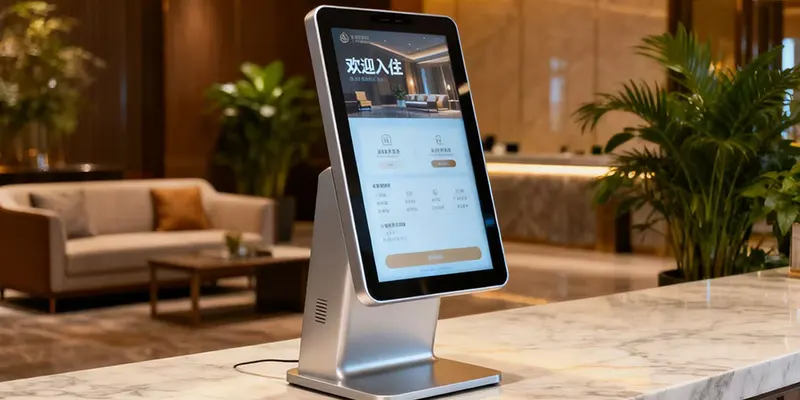
Integrating interactive elements into digital signage further boosts promotional efforts. For example, touchscreens can allow guests to participate in on-the-spot contests, sign up for loyalty programs, or receive instant discounts. These interactive promotions not only engage guests but also provide valuable data that can help tailor future offerings.
Improved Operational Efficiency
Digital signage can enhance hotel operations by reducing manual labor, optimizing processes, and improving overall efficiency.
Reduced Need for Staff Intervention
Digital signage reduces the reliance on hotel staff for routine tasks like answering questions or manually updating information. For example, instead of a staff member constantly updating printed schedules or directional signage, digital boards can do this automatically. This allows staff to focus on more critical tasks, enhancing their productivity and guest service quality.
Streamlined Communication Across Departments
Digital signage improves internal communication by providing real-time updates to staff across various departments. For instance, a digital board in the kitchen can display current orders or menu changes, while one in the lobby can alert staff to guest check-ins or special requests. This immediate sharing of information across the hotel enhances coordination, speeds up decision-making, and ensures smooth operations.
Conclusion
The impact of digital signage on the hospitality industry is profound. By improving guest engagement, streamlining operations, enhancing brand visibility, and providing personalized experiences, digital signage has proven to be a valuable asset. As the technology continues to evolve, it will undoubtedly become an even more integral part of the guest experience, helping hotels and resorts stay competitive in a fast-changing market.