
How Do Ordering Kiosks Improve Customer Service?
Self-service kiosks have rapidly become a familiar part of everyday life, transforming how businesses interact with customers. Whether you're ordering food, checking in at an airport, or paying bills, kiosks provide a fast and intuitive alternative to traditional service methods. Their popularity stems from one simple idea: giving customers control over their own experience. Instead of waiting for assistance, users can navigate a process independently, often completing tasks faster and with less friction.
What Are Self-Service Ordering Kiosks?
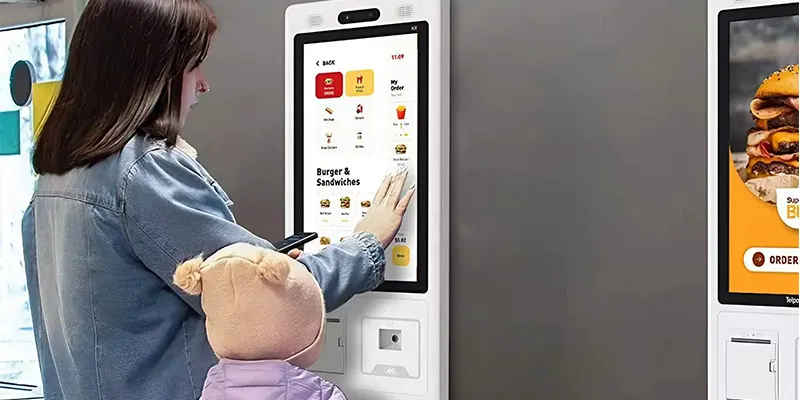
Self-service kiosks are interactive digital terminals that allow customers to complete tasks independently, without relying on staff assistance. You’ve probably seen them in restaurants, airports, retail stores, or even hospitals. These systems typically include touchscreens, payment integration, and intuitive interfaces designed to guide users step by step. Their goal is simple: make processes faster, smoother, and more convenient.
What makes kiosks particularly effective is their ability to simplify complex tasks into user-friendly actions. Instead of waiting in line or navigating confusing procedures, customers can complete transactions quickly and efficiently. This level of convenience is especially valuable in high-traffic environments where time is critical.
Beyond functionality, kiosks also represent a shift in customer behavior. People today are more comfortable using digital tools, and they often prefer self-service options. Kiosks cater to this preference, offering a familiar, tech-driven experience that aligns with modern expectations.
Why Businesses Are Adopting Kiosks?
Businesses are increasingly turning to kiosks as a way to improve service efficiency and reduce operational bottlenecks. One of the biggest reasons for adoption is the ability to handle large volumes of customers without overwhelming staff. During peak hours, kiosks act as additional service points, helping businesses maintain smooth operations.
Another major factor is cost efficiency. While kiosks require an initial investment, they can significantly reduce long-term labor costs by automating routine tasks. This allows businesses to allocate their workforce more strategically, focusing on areas that require human interaction.
Kiosks also provide valuable data insights. Every interaction generates information about customer preferences, behaviors, and trends. Businesses can use this data to refine their services, improve marketing strategies, and create more personalized experiences.
Key Ways Kiosks Enhance Customer Service Efficiency
Reducing Wait Times and Queues
One of the most immediate benefits of ordering kiosks is their ability to reduce wait times. Long lines are a common source of frustration for customers, often leading to negative experiences. Kiosks address this issue by allowing multiple customers to be served simultaneously, effectively increasing service capacity.
In busy environments, this can make a significant difference. For example, in a fast-food restaurant, kiosks can handle orders while staff focus on food preparation. This division of labor speeds up the entire process, ensuring that customers receive their orders quickly.
Reducing wait times doesn’t just improve customer satisfaction—it also boosts business performance. Faster service means more customers can be served in less time, increasing overall efficiency and revenue potential.
Improving Order Accuracy
Accuracy is a critical component of customer service, and ordering kiosks excel in this area. By allowing customers to input their own information, kiosks eliminate the risk of miscommunication. Orders are recorded exactly as entered, reducing the likelihood of errors.
This is particularly important in industries like food service, where mistakes can lead to dissatisfaction and wasted resources. With kiosks, customers can review their orders before confirming them, ensuring everything is correct.
Improved accuracy also enhances trust. When customers know they can rely on a system to deliver exactly what they requested, they feel more confident and satisfied with their experience.
Streamlining Business Operations
Kiosks play a crucial role in optimizing business operations. By automating repetitive tasks, they free up staff to focus on more complex and value-driven activities. This creates a more efficient workflow and improves overall productivity.
For example, instead of taking orders, employees can focus on customer engagement, problem-solving, or quality control. This not only enhances service quality but also creates a more positive work environment for staff.
Streamlined operations also lead to better resource management. Businesses can operate more efficiently with fewer bottlenecks, ensuring a smoother experience for both customers and employees.
Enhancing Customer Experience Through Personalization
Data-Driven Customer Insights
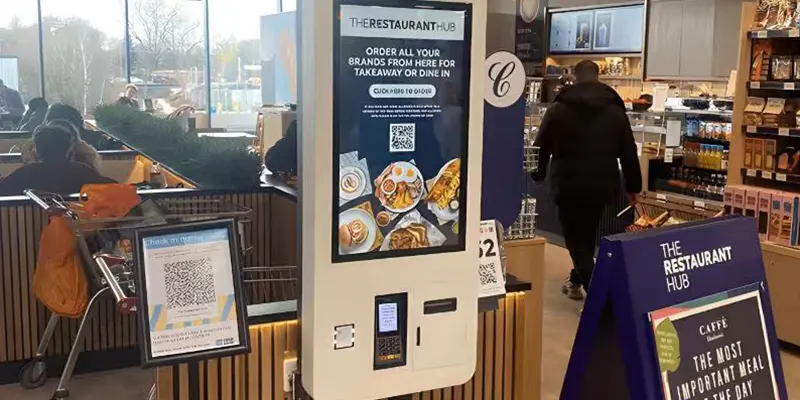
Modern ordering kiosks are equipped with advanced data analytics capabilities that allow businesses to understand customer behavior in detail. Every interaction provides valuable insights into preferences, habits, and purchasing patterns. This data can be used to tailor services and improve the overall customer experience.
For example, ordering kiosks can track frequently ordered items or preferred payment methods. This information helps businesses anticipate customer needs and deliver more relevant options during future interactions.
Data-driven insights also enable continuous improvement. Businesses can analyze trends and make informed decisions to enhance their offerings, ensuring they stay competitive in a rapidly evolving market.
Personalized Recommendations
Personalization is a key factor in modern customer service, and ordering kiosks excel at delivering tailored experiences. By using algorithms and customer data, kiosks can suggest products or services that align with individual preferences.
In a restaurant setting, this might mean recommending a favorite meal or suggesting add-ons based on previous orders. In retail, kiosks can highlight items that complement past purchases, creating a more engaging shopping experience.
These personalized recommendations not only improve customer satisfaction but also drive additional sales. Customers are more likely to make purchases when they feel the options are relevant and tailored to their needs.
Convenience and User Control
Ordering kiosks empower customers by giving them full control over their interactions. Instead of relying on staff, users can navigate the process at their own pace, making decisions without pressure. This sense of autonomy is highly valued in today's fast-paced world.
Convenience is further enhanced by the intuitive design of modern ordering kiosks. Clear instructions, simple interfaces, and step-by-step guidance make them easy to use for people of all ages. This accessibility ensures that a wide range of customers can benefit from the technology.
Ultimately, the combination of convenience and control creates a more satisfying experience. Customers feel confident, comfortable, and in charge, which significantly improves their overall perception of the service.
Business Benefits and Future Potential of Ordering Kiosks
Reducing Operational Costs
One of the most compelling advantages of ordering kiosks is their ability to reduce operational costs. By automating routine tasks, businesses can minimize the need for additional staff during peak hours. This leads to significant savings over time.
These cost savings can be reinvested into other areas of the business, such as improving infrastructure or enhancing customer experience. Kiosks essentially act as a long-term investment that delivers ongoing financial benefits.
At the same time, reducing costs doesn’t mean compromising quality. In fact, kiosks often improve service consistency, ensuring that customers receive the same level of service every time.
Increasing Revenue Opportunities
Ordering kiosks are not just cost-saving tools—they also help drive revenue growth. Through features like upselling and cross-selling, ordering kiosks can encourage customers to add more items to their orders. These suggestions are presented in a subtle and non-intrusive way, making them more effective.
For instance, an ordering kiosk might suggest a combo meal, an upgrade, or an additional product during checkout. These small prompts can significantly increase the average transaction value over time.
Additionally, faster service means businesses can serve more customers within the same timeframe. This increased throughput directly contributes to higher revenue, especially in high-demand environments
Conclusion
Ordering kiosks have revolutionized customer service by combining speed, efficiency, and personalization into a single solution. They reduce wait times, improve accuracy, and empower customers to take control of their experiences. At the same time, they help businesses optimize operations, reduce costs, and increase revenue opportunities. As technology continues to evolve, ordering kiosks will become even more advanced, offering smarter and more intuitive interactions that redefine how businesses serve their customers.
FAQs
1. How do ordering kiosks reduce wait times?
Ordering kiosks allow multiple customers to be served simultaneously, reducing queues and speeding up the overall service process.
2. Are ordering kiosks difficult to use?
No, modern ordering kiosks are designed with user-friendly interfaces and clear instructions, making them accessible to most users.
3. Can ordering kiosks handle complex transactions?
Yes, advanced ordering kiosks can manage a wide range of tasks, including payments, bookings, and personalized recommendations.
4. Do ordering kiosks improve customer satisfaction?
Yes, by offering faster service, greater accuracy, and more control, ordering kiosks significantly enhance customer satisfaction.
5. What industries benefit from ordering kiosks the most?
Industries like retail, hospitality, healthcare, and transportation benefit greatly due to their high customer interaction levels.