
How Grocery Store Digital Signage Is Supporting Daily Store Operations
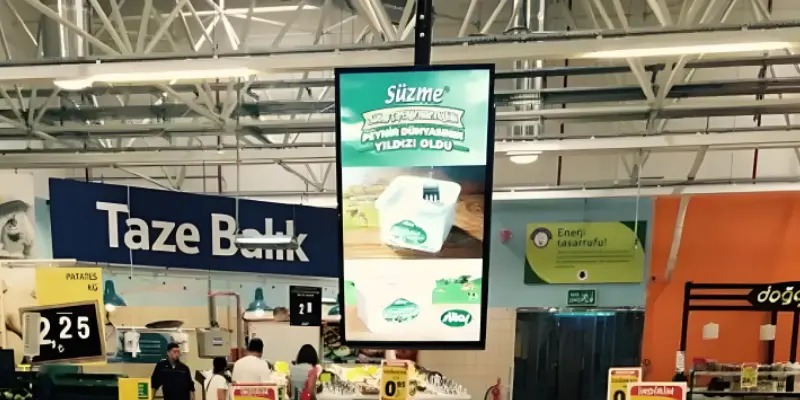
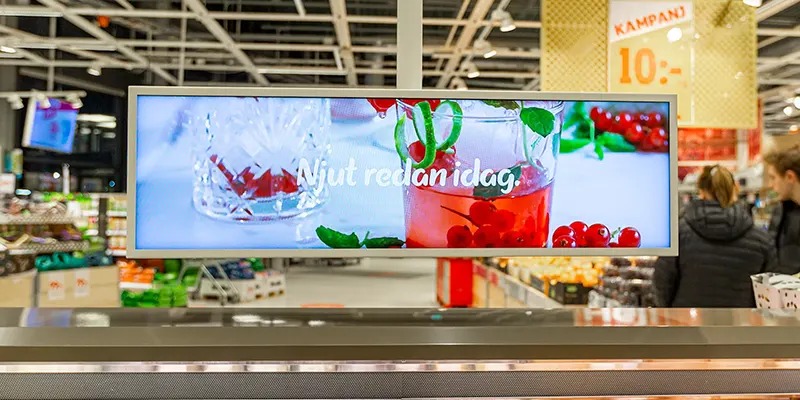
Grocery Store Digital Signage has become increasingly common across supermarkets and neighborhood food stores. What was once introduced mainly to modernize store appearance is now used as a practical tool for daily communication. As grocery environments deal with frequent price changes, promotions, and high customer traffic, digital signage helps stores deliver timely information more efficiently than traditional printed materials. Its growing adoption reflects operational needs rather than visual trends.
1. Adapting to Frequent Price and Promotion Changes
Grocery stores face constant updates related to pricing, discounts, and seasonal offers. Printed shelf labels and posters require manual replacement, which can be time-consuming and prone to errors. Grocery store digital signage allows stores to update promotional messages, pricing highlights, and product information more quickly. While not replacing shelf labels entirely, digital displays support faster communication of key changes, especially for limited-time offers.
2. Improving Navigation in High-Traffic Store Layouts
Supermarkets are often large, complex spaces with multiple aisles and departments. Clear visual guidance helps customers locate products more easily and reduces congestion during peak hours. Grocery store digital signage is commonly placed at entrances, aisle intersections, and service counters to provide directional cues, category highlights, or service information. This guidance improves overall flow and reduces repeated questions directed at staff.
3. Maintaining Consistency Across Multiple Store Locations
For grocery chains operating multiple stores, maintaining consistent messaging can be challenging. Printed materials may differ between locations or become outdated. Grocery store digital signage supports centralized content management, enabling head offices to deploy consistent messages while allowing local adjustments when needed. This approach helps ensure that customers receive accurate information regardless of store location.
4. Reliability in Long Operating Hours
Grocery stores typically operate for extended hours, often seven days a week. Digital signage used in these environments must perform reliably over long periods. Screen downtime can lead to confusion or missed information, particularly when promotions or service notices are involved. As a result, grocery operators tend to prioritize stable performance, clear visibility, and ease of maintenance when adopting digital signage solutions.
5. Supporting Operational Communication Beyond Advertising
Beyond promotions, grocery store digital signage is increasingly used for operational communication. Stores display information related to store policies, service counters, queue guidance, or temporary notices. This reduces the need for verbal explanations and printed signs, allowing staff to focus on customer service and daily tasks. In this context, digital signage supports efficiency rather than purely marketing objectives.
Conclusion
Grocery store digital signage has evolved into a practical communication tool that supports daily operations, information accuracy, and customer flow. Its value lies in flexibility and reliability rather than visual impact alone. As grocery retail continues to adapt to changing consumer behavior and operational demands, digital signage is increasingly viewed as long-term infrastructure within the store environment.
FAQ
1. Where is grocery store digital signage most commonly installed?
It is often installed at entrances, aisle intersections, service counters, and promotional areas.
2. Is grocery store digital signage mainly used for advertising?
No. Many stores use it for pricing highlights, navigation, service information, and operational notices.
3. How does digital signage help grocery chains manage multiple locations?
Centralized content management ensures consistent messaging while allowing local adjustments.
4. Why is reliability important in grocery store environments?
Stores operate long hours, and display downtime can disrupt communication and customer experience.
5. Does grocery store digital signage replace traditional shelf labels?
No. It typically complements shelf labels rather than fully replacing them.