
How to Choose the Best Digital Signage Display in 2026?
Digital signage has changed the way businesses communicate with customers. Unlike static posters, digital displays can show videos, animations, live updates, and interactive content. This makes them far more engaging and effective in busy environments where grabbing attention is difficult.
Businesses also prefer digital signage because content can be updated instantly. Retail stores can launch promotions in seconds, restaurants can change menu prices remotely, and corporate offices can display real-time announcements. This flexibility saves both time and printing costs.
1. Why Digital Signage Is Important?
Growing Demand for Smart Displays
AI-powered signage is one of the biggest trends in 2026. Smart systems can automatically adjust content based on customer behavior, time of day, or even weather conditions. Some displays can also track engagement and provide useful analytics for businesses.
Cloud-based management systems are also becoming standard. Companies with multiple locations can control all displays remotely through a single dashboard, making content management much easier and more efficient.
Common Business Applications
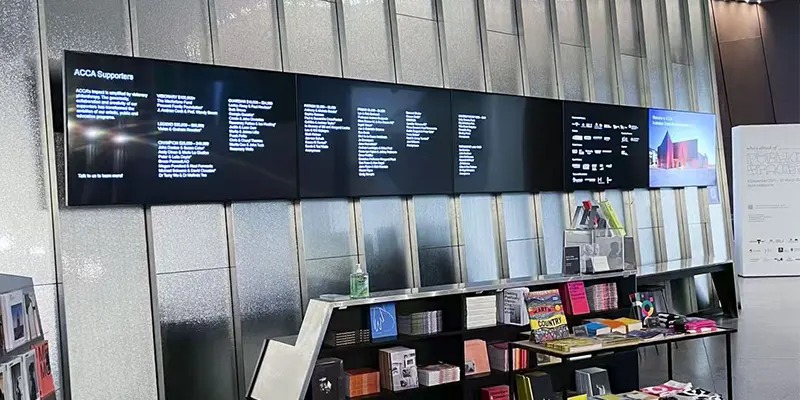
Digital signage is now used across many industries. Retail stores use displays for promotions and product showcases, while restaurants rely on digital menu boards. Airports, hospitals, schools, and hotels also use digital screens for communication and wayfinding.
Interactive displays are especially popular because they improve customer engagement. Touchscreen kiosks allow users to browse products, place orders, or access information directly from the display.

2. Types of Digital Signage Displays
Choosing the right display starts with understanding the different technologies available in 2026.
LCD Displays
LCD displays remain one of the most affordable and widely used options. They work well for indoor environments such as offices, restaurants, and retail stores. Modern LCD screens offer strong image quality, 4K resolution, and reliable performance.
The biggest advantage of LCD displays is cost efficiency. Businesses can install multiple screens without exceeding their budget. However, LCD screens may struggle in very bright outdoor environments.
LED and MicroLED Displays
LED displays are ideal for large-scale installations like outdoor billboards, stadiums, and shopping malls. They provide excellent brightness and visibility, even under direct sunlight.
MicroLED is a newer technology gaining attention in 2026. It delivers outstanding image quality, deep contrast, and seamless large-screen designs. While expensive, MicroLED displays create an impressive premium visual experience.
OLED Displays
OLED displays are known for vibrant colors, deep blacks, and ultra-thin designs. Luxury retailers and high-end hotels often use OLED screens because they create a modern and premium appearance.
Transparent OLED technology is also growing in popularity. These displays allow businesses to combine digital visuals with physical products behind the screen, creating a futuristic effect.
Interactive Touch Displays
Interactive displays help businesses create more engaging customer experiences. They are commonly used in retail stores, museums, airports, and restaurants.
Touchscreen systems allow customers to interact directly with content instead of simply watching advertisements. This increases engagement and improves user experience.
3. Key Factors to Consider
Buying the best digital signage display requires more than choosing the latest technology. Businesses should focus on practical needs and long-term performance.
Screen Size and Resolution
Screen size should match the viewing distance and environment. Small displays may be difficult to read, while oversized screens can waste money and space.
4K resolution has become the standard in 2026 because it provides sharp visuals and professional image quality. Higher resolution is especially important for detailed graphics and video content.
Brightness and Visibility
Brightness is critical for display performance. Indoor screens typically need lower brightness levels, while outdoor displays require high-brightness panels to remain visible in sunlight.
Businesses should also consider anti-glare technology and viewing angles to ensure clear visibility from different positions.
Indoor vs Outdoor Usage
Indoor and outdoor displays have very different requirements. Outdoor signage must handle weather, heat, dust, and direct sunlight. These displays require waterproof protection and stronger brightness capabilities.
Indoor displays focus more on design, image quality, and slim aesthetics.
4. Smart Features in 2026
Modern digital signage is no longer just about hardware. Smart features now play a major role in performance and efficiency.
AI Integration
AI helps businesses automate content scheduling and personalize messaging. Displays can show different advertisements based on audience demographics or time of day.
This improves customer engagement while reducing manual management work.
Cloud-Based CMS
Cloud content management systems allow businesses to update displays remotely from anywhere. This is especially useful for franchises and companies with multiple locations.
Remote management saves time and makes large signage networks easier to control.
Energy Efficiency
Energy-efficient displays are becoming increasingly important in 2026. Many businesses now prefer displays with automatic brightness adjustment and lower power consumption to reduce operating costs.
5. Common Buying Mistakes
One common mistake is buying consumer TVs instead of commercial-grade displays. Consumer TVs are not designed for continuous operation and may fail faster in commercial environments.
Another mistake is ignoring software compatibility. A high-quality screen is useless without a reliable content management system.
Businesses should also avoid choosing displays based only on price. Long-term durability, maintenance, and energy costs are equally important.
6. Best Displays for Different Industries
Different industries require different signage solutions.
| Industry | Recommended Display |
|---|---|
| Retail | OLED or LCD |
| Restaurants | LCD Menu Boards |
| Corporate Offices | Interactive Displays |
| Healthcare | Commercial LCD |
| Transportation | LED Displays |
| Hospitality | OLED Displays |
Retail businesses often focus on eye-catching visuals, while transportation hubs prioritize brightness and durability. Restaurants usually prefer affordable menu boards with easy content updates.
7. Conclusion
Choosing the best digital signage display in 2026 depends on your business goals, environment, and budget. LCD displays remain a reliable and affordable choice, while OLED and MicroLED technologies offer premium visual experiences.
Businesses should focus on brightness, resolution, software integration, and long-term performance before making a decision. Smart features like AI and cloud management are also becoming essential for modern digital signage systems.
The right display can improve customer engagement, strengthen branding, and create a more modern business environment.
8. FAQs
1. What is the best digital signage technology in 2026?
LCD is the most affordable option, while OLED and MicroLED provide premium image quality and advanced features.
2. Are OLED displays good for digital signage?
Yes. OLED displays offer excellent contrast, vibrant colors, and modern designs, making them ideal for premium environments.
3. What brightness level is best for outdoor signage?
Outdoor displays usually require at least 2,500 nits to remain visible in direct sunlight.
4. Why is AI important in digital signage?
AI helps automate content management, personalize advertisements, and improve customer engagement.
5. How long do commercial digital signage displays last?
Most commercial displays last between 50,000 and 100,000 hours depending on usage and maintenance.