
How to Start Indoor Digital Advertising: A Complete Beginner-to-Pro Guide
Indoor digital advertising is exactly what it sounds like—placing digital screens inside indoor environments to deliver targeted advertising content. Think shopping malls, gyms, airports, office buildings, restaurants, and even elevators. Instead of static posters that fade into the background, digital displays bring motion, color, and real-time updates into the mix. It’s like upgrading from a handwritten sign to a live TV broadcast that never sleeps.
What makes this approach powerful is its ability to capture attention in controlled environments. Unlike outdoor ads that compete with weather, traffic, and distractions, indoor ads reach people when they are more relaxed, focused, and receptive. For example, someone waiting in a queue or sitting in a café is far more likely to engage with a nearby screen than someone speeding past a billboard on a highway.
Another defining feature is flexibility. With indoor digital advertising, you can update content instantly, schedule campaigns, and even personalize messages based on time of day or audience demographics. This dynamic nature transforms advertising from a one-time effort into a living, evolving strategy that adapts to your business goals.
Current Industry Trends and Growth
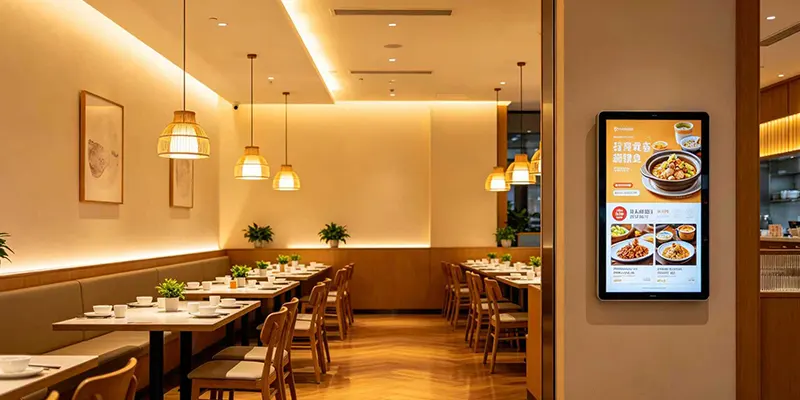
Indoor digital advertising is part of the broader digital signage market, which has been experiencing steady global growth. Businesses are increasingly replacing traditional signage with digital alternatives due to their flexibility and cost-effectiveness over time. From retail chains to healthcare facilities, the adoption rate continues to climb as technology becomes more affordable.
One major trend is the integration of AI and data analytics. Advertisers can now tailor content based on audience demographics, time slots, and even behavioral patterns. Imagine a gym displaying protein supplement ads during peak workout hours or a café promoting breakfast deals in the morning—this level of precision wasn’t possible with traditional media.
Another trend is the rise of programmatic advertising indoors, allowing ad spaces to be bought and sold automatically, much like online ads. This opens the door for smaller businesses to participate without massive budgets, making the industry more accessible than ever.
Key Sectors Using Indoor Digital Ads
Indoor digital advertising isn’t limited to one industry—it’s everywhere. Retail stores use it to highlight promotions and guide customers through their journey. Airports and transportation hubs rely on it for both information and advertising, capturing a highly diverse audience.
Healthcare facilities are also adopting digital signage to improve patient communication while monetizing screen space. Gyms, hotels, and corporate offices use it to enhance customer experience and generate additional revenue streams. Even educational institutions are tapping into this trend to share announcements and sponsored content.
This wide adoption means one thing: opportunity. Whether you’re starting a business or expanding your marketing strategy, there’s room to carve out a niche in this growing ecosystem.
Benefits of Indoor Digital Advertising
Targeted Audience Reach
One of the biggest advantages of indoor digital advertising is its ability to target specific audiences with precision. Unlike outdoor ads that rely on broad exposure, indoor ads are placed in environments where you already know the audience’s interests and behavior.
For example, advertising sports gear in a gym or skincare products in a beauty salon ensures your message reaches people who are more likely to be interested. It’s like having a conversation with the right person at the right time instead of shouting into a crowded room.
This targeted approach not only increases engagement but also improves conversion rates. Businesses can craft messages that resonate with their audience, making advertising feel more relevant and less like an interruption.
Cost Efficiency and ROI
Indoor digital advertising may require an upfront investment, but it often proves more cost-effective in the long run. Traditional print ads involve recurring costs for design, printing, and distribution. Digital displays, on the other hand, allow you to update content instantly without additional production expenses.
Another factor is revenue potential. If you own the screens, you can sell ad space to other businesses, turning your investment into a recurring income stream. This dual benefit—promoting your own brand while earning from others—makes indoor digital advertising a smart financial move.
When you combine lower operational costs with higher engagement rates, the return on investment becomes increasingly attractive, especially for businesses looking to scale.
Types of Indoor Digital Advertising Solutions
Digital Signage Displays
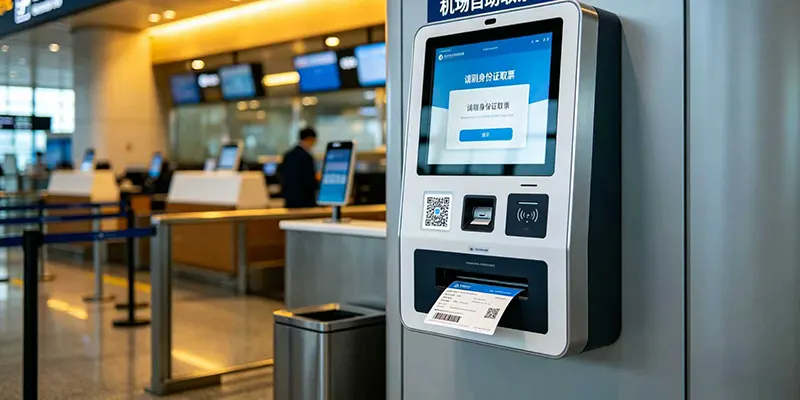
Digital signage displays are the backbone of indoor advertising. These include wall-mounted screens, freestanding displays, and menu boards. They are versatile, easy to install, and suitable for a wide range of environments.
What makes them effective is their ability to display dynamic content, including videos, animations, and real-time updates. This keeps the audience engaged and ensures the message remains fresh and relevant.
Interactive Touchscreens
Interactive touchscreens take engagement to the next level by allowing users to interact with the content. These are commonly used in retail stores, malls, and exhibitions, where customers can browse products, check prices, or explore services.
This hands-on approach not only captures attention but also creates a memorable experience, increasing the likelihood of conversion.
Video Walls and Kiosks
Video walls and kiosks are designed for high-impact advertising. Video walls combine multiple screens to create a large, immersive display, while kiosks provide standalone units for both advertising and functionality.
These solutions are ideal for high-traffic areas where visibility and impact are crucial.
Planning Your Indoor Advertising Strategy
Defining Your Goals
Before diving into indoor digital advertising, it’s essential to define your goals. Are you looking to increase brand awareness, drive sales, or generate additional revenue? Your objectives will shape every aspect of your strategy, from content creation to location selection.
Clear goals also make it easier to measure success. Without them, it’s like setting off on a journey without a destination—you might move forward, but you won’t know if you’ve arrived.
Identifying Your Target Audience
Understanding your audience is just as important as setting goals. Who are you trying to reach? What are their interests, habits, and pain points? The more you know, the more effective your campaigns will be.
Indoor environments provide a unique advantage here, as they naturally segment audiences based on location. Use this to your benefit by tailoring your content to match the audience’s expectations and needs.
Choosing the Right Locations
High-Traffic Indoor Spaces
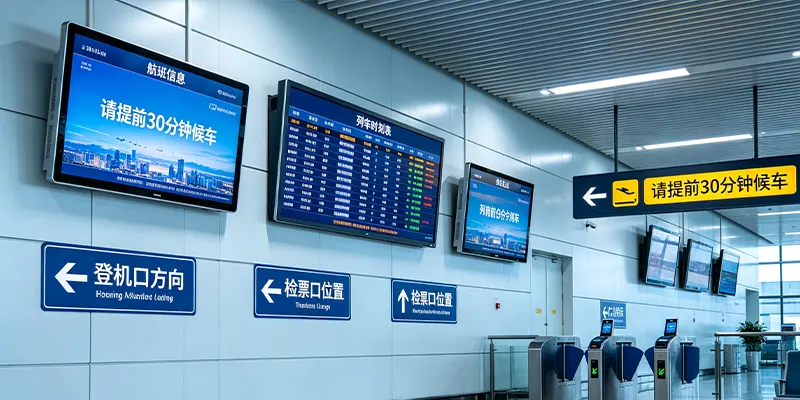
Location can make or break your indoor advertising strategy. High-traffic areas such as shopping malls, airports, and office buildings offer maximum exposure. However, it’s not just about numbers—it’s about relevance.
A smaller venue with a highly targeted audience can often outperform a larger space with a general audience. The key is to find the right balance between reach and relevance.
Partnering with Venue Owners
Collaborating with venue owners is a crucial step in setting up your network. This involves negotiating placement, revenue sharing, and maintenance responsibilities.
Building strong partnerships ensures long-term success and opens the door to expanding your network across multiple locations.
Conclusion
Indoor digital advertising offers a powerful way to connect with audiences in environments where they are most receptive. By combining targeted placement, dynamic content, and advanced technology, businesses can create impactful campaigns that deliver measurable results. Whether you’re a small business owner or an entrepreneur looking for a new venture, this space provides both flexibility and scalability. The key lies in careful planning, strategic execution, and continuous optimization.
FAQs
1. How much does it cost to start indoor digital advertising?
The cost can vary widely depending on the scale, but a basic setup with a few screens and a CMS can range from a few hundred to several thousand dollars.
2. What types of businesses benefit most from indoor digital advertising?
Retail stores, gyms, restaurants, healthcare facilities, and corporate offices all benefit due to their consistent indoor foot traffic.
3. Is indoor digital advertising suitable for small businesses?
Yes, it’s highly scalable, making it accessible for small businesses with limited budgets.
4. How do I create effective content for digital screens?
Focus on short, visually engaging messages with clear calls to action and high-quality graphics.
5. Can I generate revenue from indoor digital advertising?
Absolutely. You can sell ad space to other businesses, creating a recurring income stream.