
Top Digital Signage Displays for 2026
The evolution of digital signage in 2026 reflects a rapid transformation from simple display systems into intelligent, data-driven communication platforms that businesses rely on daily. What was once limited to static images or basic video playback has now evolved into dynamic, interactive experiences powered by technologies like MicroLED, OLED, and AI integration. The market itself is expanding quickly, driven by growing demand across retail, healthcare, transportation, and corporate sectors, as businesses recognize the value of real-time content and personalized messaging.
Modern digital signage solutions are no longer just screens—they are smart ecosystems capable of analyzing audience behavior, adapting content instantly, and integrating seamlessly with cloud-based management systems. At the same time, improvements in affordability and scalability have made these advanced displays accessible to both small businesses and large enterprises. All of these factors combined show that digital signage in 2026 is not just an upgrade in display technology—it represents a fundamental shift toward smarter, more engaging, and highly responsive visual communication.

Why Businesses Are Investing in Digital Displays
Customer Engagement and ROI
Let's be honest—static signage just doesn't cut it anymore. People are constantly bombarded with information, so if your message isn't eye-catching, it's probably ignored. That's where digital signage shines. It grabs attention, holds it, and most importantly, converts it into action.
Studies consistently show that digital displays increase customer engagement and sales. Why? Because they're dynamic. You can showcase videos, animations, real-time promotions, and even interactive content. It's like having a salesperson working 24/7 without ever taking a break.
From a return-on-investment perspective, digital signage also reduces long-term costs. No more printing posters, no more manual updates—everything can be managed remotely. And with cloud-based systems becoming the norm, businesses can control multiple screens across different locations with ease.
Industry Applications Driving Demand
Digital signage isn't limited to retail anymore. It's everywhere. Restaurants use it for digital menu boards, airports use it for flight information, hospitals use it for patient communication, and corporate offices use it for internal dashboards.
One of the biggest growth drivers in 2026 is interactive signage. Touchscreen displays are transforming how customers interact with brands, allowing them to browse products, place orders, or access information instantly. Another fast-growing segment is transportation hubs, where real-time updates are crucial.
Even small businesses are jumping on board. Thanks to affordable hardware and software solutions, digital signage is no longer a luxury—it's becoming a necessity.
Key Features to Look for in 2026 Displays
When choosing digital signage displays in 2026, When choosing digital signage displays in 2026, focus on three key areas: resolution and display technology, smart integration, and durability. 4K displays are now standard, with LED, OLED, and MicroLED offering different advantages in brightness and image quality. Modern screens also feature AI and cloud integration for smarter content management, while energy efficiency and rugged design ensure reliable long-term performance, especially for outdoor use.
Top Digital Signage Display Types for 2026
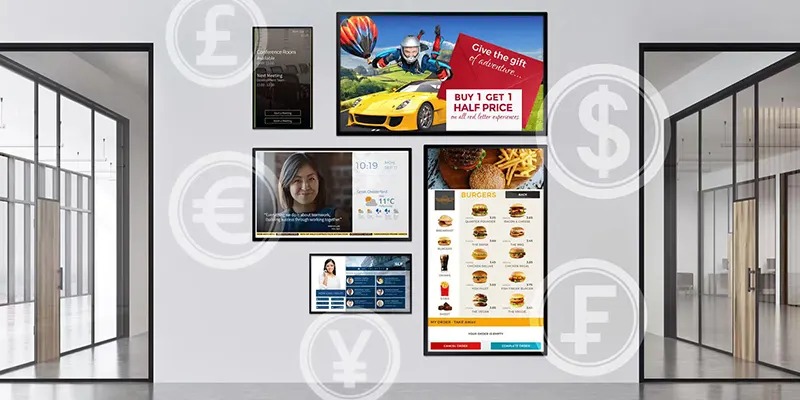
The top digital signage displays in 2026 include LED video walls for large-scale, high-impact visuals, OLED and transparent screens for premium indoor experiences, interactive touchscreens for engagement, and digital kiosks for self-service solutions. Each type caters to specific environments and business needs, offering flexibility, interactivity, and dynamic content delivery.
Best Digital Signage Display Brands in 2026
Samsung Commercial Displays
Samsung continues to lead the market with innovative solutions, including color e-paper displays that offer energy-efficient alternatives to traditional screens. These displays consume power only when content changes, making them ideal for sustainability-focused businesses.
LG Digital Signage Solutions
LG is known for its cutting-edge OLED and transparent displays. Their solutions are widely used in retail and corporate environments, offering exceptional image quality and reliability.
Beloong LCD Displays
Beloong has introduced high-quality industrial-grade advertising screens and supports OEM/ODM, enabling product customization.
NEC and Sharp Displays
NEC and Sharp are trusted names in the industry, known for their durable and high-performance displays. They're often used in mission-critical environments like control rooms and transportation hubs.
Conclusion
Digital signage in 2026 has evolved into a cornerstone of modern business communication, moving far beyond simple screens to become dynamic, intelligent, and highly adaptable tools for engaging audiences. With advancements in technologies like MicroLED, OLED, AI-driven content personalization, and interactive touch interfaces, displays can now deliver sharper visuals, real-time updates, and tailored messaging that resonates with viewers on a personal level.
Businesses across industries—from retail and hospitality to healthcare and transportation—are leveraging these tools not only to inform but also to enhance customer experience, drive sales, and streamline operations. As affordability improves and integration with cloud-based systems becomes standard, even small businesses can access high-performance signage that was once reserved for large enterprises. Ultimately, investing in the right digital signage solution in 2026 is about more than just keeping up with trends; it’s about creating immersive, engaging, and efficient communication channels that deliver measurable impact and future-proof your business in an increasingly digital world.
FAQs
1. What is the best digital signage display for small businesses?
Affordable LCD or smart displays with built-in media players are ideal for small businesses due to their low cost and ease of use.
2. Are LED or OLED displays better for digital signage?
It depends on the use case. LED is better for outdoor and large displays, while OLED offers superior quality for indoor environments.
3. How much does a digital signage display cost in 2026?
Costs range from a few hundred dollars for basic screens to tens of thousands for advanced video walls.
4. What industries benefit most from digital signage?
Retail, hospitality, healthcare, transportation, and corporate sectors benefit the most.
5. Is digital signage worth the investment?
Yes, it improves customer engagement, reduces long-term costs, and enhances brand visibility.