
What is a Video wall signage Signage?
With the ability to display high-resolution content at massive scale, Video wall transform ordinary spaces into immersive, engaging environments. As businesses compete for attention in crowded markets, Video wall signage provide a clear advantage through stunning visuals, motion graphics, and dynamic content delivery. Whether used for advertising, branding, data visualization, or entertainment, Video wall signage installations offer unmatched flexibility and impact. In this expanded guide, we explore everything you need to know—from types and advantages to how to choose a suitable video wall.
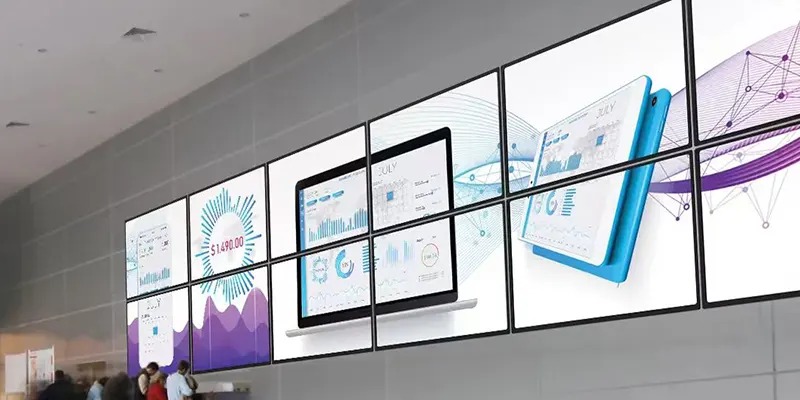
1.Types of Video Wall Signage
LCD Video Wall
LCD Video wall signage are built using multiple LCD panels with ultra-narrow bezels. While not completely seamless, modern LCD panels have extremely thin borders, making the visual gaps barely noticeable. They offer excellent color reproduction, sharp image quality, and reliable performance. Because LCDs are more cost-effective than LEDs, they’re often used in indoor spaces like corporate lobbies, retail stores, conference rooms, and classrooms. Their lower brightness makes them ideal for controlled lighting environments. The smooth display quality and accurate colors make LCD Video wall signage an excellent choice for professional presentations and data visualization.
LED Video wall
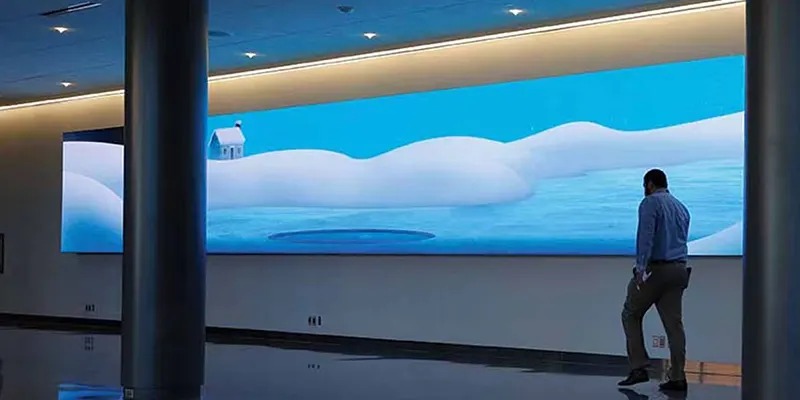
LED Video wall signage are the gold standard for premium visual experiences. They consist of thousands of tiny LEDs grouped into pixels, creating a display with no bezels and unmatched brightness. LED walls are known for their durability, versatility, and ability to operate in harsh lighting conditions—even direct sunlight. They’re extremely customizable in size and shape, supporting curved, flexible, and irregular designs. This makes them a favorite for sports arenas, outdoor advertising, stadiums, concerts, and large public spaces. With long lifespans and energy efficiency, LED walls provide superior performance and lower long-term costs.
Interactive Touch Video Wall
Interactive video wall signage take engagement to a whole new level by allowing users to physically interact with content. These walls incorporate touchscreens,
gesture recognition, or motion sensors. They are popular in museums, retail stores, education centers, and event spaces. Visitors can explore maps, browse catalogs, zoom into product details, or play interactive games. This type of signage strengthens customer engagement and encourages deeper interaction with the displayed content. Businesses use them to enhance user experience and collect valuable insights on consumer behavior.
2.Benefits of Video Wall Signage
High Visual Impact
Few marketing tools command attention like a video wall. Their size, clarity, and motion graphics create a powerful visual presence that draws people in instantly. In crowded environments like airports or malls, Video wall rise above competing visuals, making them ideal for brand storytelling, promotional campaigns, and high-impact announcements.
Flexibility in Content Display
Video wall signage are highly flexible, capable of displaying a single large image or multiple content windows at once. Businesses can share promotional videos, real-time updates, product images, social media feeds, and live broadcasts simultaneously. This adaptability ensures Video wall signage remain relevant and effective across various scenarios.
Scalability for All Environments
Whether for a small retail shop or a massive stadium, Video wall signage can be customized to fit any space. The modular nature of LED and LCD panels allows installations of any size, from simple 2x2 setups to entire building façades. This scalability makes them suitable for both small businesses and large enterprises.
3.How to Choose the Right Video Wall
Determine Location and Viewing Distance
The installation location greatly affects the choice of panel type and pixel pitch. Indoor environments may need LCD panels, while outdoor settings require high-brightness LED panels. Viewing distance also matters—closer viewing demands higher resolution and smaller pixel pitch.
Consider Panel Brightness
Brightness determines visibility in different lighting conditions. Outdoor Video wall need extremely high brightness to combat direct sunlight. Indoor displays can use lower brightness to avoid eye strain while maintaining vivid visuals.
Evaluate Resolution Needs
For detailed graphics, text, or control room data, higher resolution is essential. Use 4K or higher for close-up viewing situations. For long-distance viewing, a larger pixel pitch can still deliver excellent visual quality.
Budget and Maintenance Factors
Consider not just the upfront cost but ongoing expenses such as power usage and maintenance. LED Video wall signage have higher upfront costs but lower long-term expenses. Evaluate accessibility and serviceability to ensure smooth operation over time.
Conclusion
Video wall signage has evolved into one of the most powerful digital communication tools available today. With their ability to captivate audiences, display dynamic content, and enhance both customer and employee experiences, They offer endless possibilities across industries. From retail and hospitality to corporate environments and control rooms, Video wall signage create meaningful visual impact that drives engagement and leaves a lasting impression. As technology continues to advance, their capabilities will only grow—making now the perfect time to invest in modern digital display solutions.
FAQs
1. Are Video wall signage expensive to maintain?
Modern Video wall signage are designed with durable components and low power consumption, reducing long-term maintenance costs significantly.
2. Can Video wall signage be used outdoors?
Yes. LED Video wall signage with high brightness and weatherproof construction are ideal for outdoor installations.
3. How long do LED Video wall signage panels last?
High-quality LED panels can last between 80,000 to 100,000 hours, often operating for years with minimal maintenance.
4. Can I display multiple content windows at the same time?
Definitely. Video wall signage controllers allow multi-window layouts, letting you show different content sources simultaneously.
5. Are interactive Video wall signage worth it?
For environments focused on engagement—such as retail, events, and museums—interactive Video wall signage deliver exceptional value and immersive user experiences.