-

Digital Signage USA Boosts Product Revenue for Shopping Centers
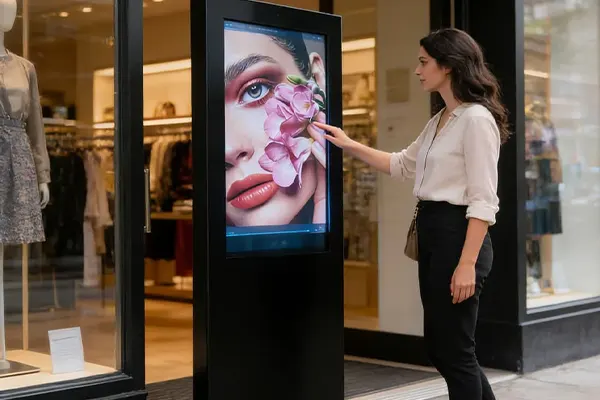
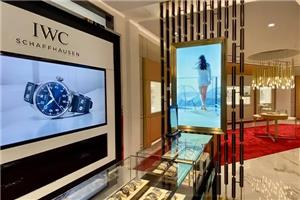
In the rapidly evolving retail landscape of the United States, digital signage USA has emerged as a fundamental tool for shopping centers looking to boost product revenue and enhance customer engagement. This cutting-edge technology goes far beyond simply replacing printed posters with screens. By integrating high-impact visuals, real-time content, interactive wayfinding, and promotional messaging directly in front of consumers, digital signage transforms the shopping environment into a dynamic, persuasive ecosystem that drives sales. Across the retail industry, digitally enabled displays are credited with increasing purchase intent, capturing attention more effectively than static signage, and creating a cohesive in-store experience that keeps shoppers engaged longer. With studies showing that a significant portion of consumer purchasing decisions occur during the in-store experience, digital signage USA provides shopping centers with a unique opportunity to guide, inform, and convert foot traffic into measurable revenue. Beyond simply capturing attention, digital signage USA influences shopping behavior in direct and measurable ways. Retailers and mall operators are now able to push targeted advertising, personalized promotions, and strategic product highlights to screens located at points where purchase decisions are made most frequently—near entrances, checkout lanes, and along high-traffic corridors. Thanks to centralized content management systems, displays can be updated instantly based on inventory, time of day, seasonal trends, or special events, ensuring that messaging is always fresh and relevant. As a result, shopping centers that deploy digital signage wisely often see significant increases in both impulse buys and long-term revenue growth. In this comprehensive article, we will explore how digital signage USA boosts product revenue for shopping centers across five major themes: sales impact, customer experience, operational advantages, technological innovation, and future growth opportunities. Each section outlines key benefits, industry insights, and real-world examples that demonstrate why digital signage has become a thriving investment for shopping centers nationwide. -
How a Chain Restaurant Upgraded Their Customer Experience with Touch Screen Menu?
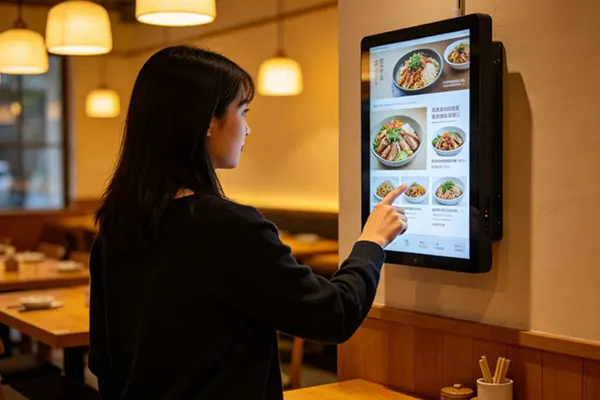
As technology continues to evolve, many industries are embracing new tools to enhance customer service. One significant advancement in the restaurant sector has been the introduction of touch screen menus. A chain restaurant, in particular, has successfully integrated this technology, transforming the way customers interact with their dining experience. -
How We Helped a Real Estate Developer in Singapore Solve Low Visibility with Large Outdoor Digital Signage?
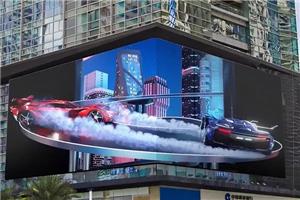
Singapore’s real estate market is fast-paced and highly competitive. Developers are constantly competing for attention in crowded urban spaces where consumers are exposed to endless advertising. In this environment, simply having a good property is not enough—you need to stand out visually. -
How We Helped an Airport Solve Advertising Problems with Outdoor Digital Signage
Digital signage is designed to stand out. High-brightness screens, vibrant colors, and motion graphics naturally draw the eye, making them far more effective than traditional displays. In a busy airport environment, this increased visibility is crucial for capturing attention. -
How Digital Road Signs Improve Communication in Smart Cities?
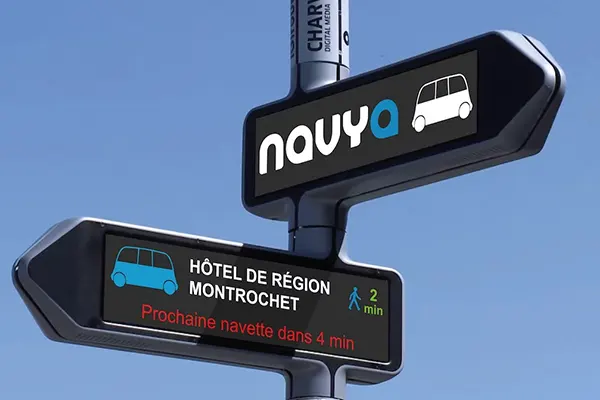
Digital road signs improve communication in smart cities not by adding more information, but by delivering the right information at the right moment. Their effectiveness depends less on display technology and more on integration, message design, and consistency. -
How We Helped a Shopping Mall in Southeast Asia Solve Customer Navigation Issues with Best Digital Signage?
The customized digital signage solution effectively resolved the navigation challenges faced by the Southeast Asian shopping mall. By deploying interactive wayfinding kiosks, multi-language dynamic maps, and real-time directional displays, it improved the customer experience, reduced complaints, boosted foot traffic to underperforming stores, and enabled efficient content updates, serving as a key tool for the mall's smart retail transformation.