
Digital Signage USA Boosts Product Revenue for Shopping Centers
In the rapidly evolving retail landscape of the United States, digital signage USA has emerged as a fundamental tool for shopping centers looking to boost product revenue and enhance customer engagement. This cutting-edge technology goes far beyond simply replacing printed posters with screens. By integrating high-impact visuals, real-time content, interactive wayfinding, and promotional messaging directly in front of consumers, digital signage transforms the shopping environment into a dynamic, persuasive ecosystem that drives sales. Across the retail industry, digitally enabled displays are credited with increasing purchase intent, capturing attention more effectively than static signage, and creating a cohesive in-store experience that keeps shoppers engaged longer. With studies showing that a significant portion of consumer purchasing decisions occur during the in-store experience, digital signage USA provides shopping centers with a unique opportunity to guide, inform, and convert foot traffic into measurable revenue.
Beyond simply capturing attention, digital signage USA influences shopping behavior in direct and measurable ways. Retailers and mall operators are now able to push targeted advertising, personalized promotions, and strategic product highlights to screens located at points where purchase decisions are made most frequently—near entrances, checkout lanes, and along high-traffic corridors. Thanks to centralized content management systems, displays can be updated instantly based on inventory, time of day, seasonal trends, or special events, ensuring that messaging is always fresh and relevant. As a result, shopping centers that deploy digital signage wisely often see significant increases in both impulse buys and long-term revenue growth.
In this comprehensive article, we will explore how digital signage USA boosts product revenue for shopping centers across five major themes: sales impact, customer experience, operational advantages, technological innovation, and future growth opportunities. Each section outlines key benefits, industry insights, and real-world examples that demonstrate why digital signage has become a thriving investment for shopping centers nationwide.
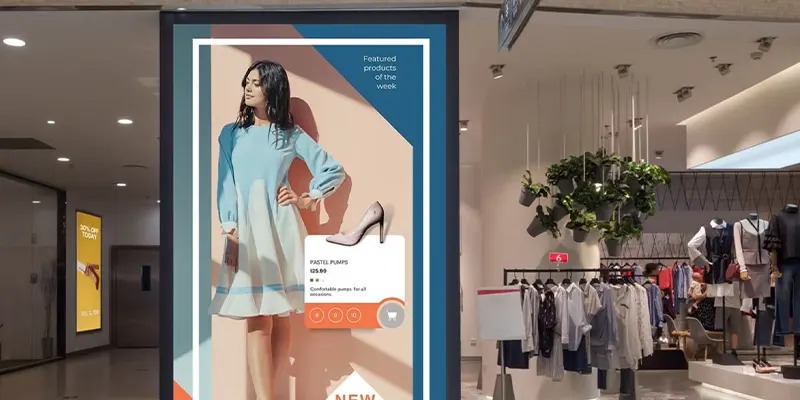
How Digital Signage USA Drives Sales Growth in Shopping Centers
Capturing Shopper Attention and Increasing Foot Traffic
Dynamic digital screens capture attention far more effectively than static posters or printed signage. Bright visuals, moving content, and vivid displays make shoppers stop, engage, and take notice as they enter the mall or walk past storefronts. According to recent industry insights, digital displays can gain up to 400% more views than static signage, dramatically increasing visibility and promoting products more effectively to potential customers.
Moreover, digital signage can be strategically placed at key locations like entrances and high-traffic corridors to convert casual passersby into active shoppers. This increased visibility contributes to heightened foot traffic, which is the first step in driving more purchases. As the consumer notices featured products, seasonal offers, and limited-time promotions, their curiosity often evolves into in-store visits and product exploration, ultimately boosting overall revenue for retailers and mall operators alike.
Another compelling benefit of digital signage USA is its ability to deliver tailored, location-specific content that aligns with shopper interests. By understanding peak hours, seasonal trends, and demographic patterns, shopping centers can run targeted campaigns that appeal directly to their audiences. This kind of contextualized content increases the likelihood that a shopper will engage with the message and take action—whether that means entering a store, exploring featured products, or completing a purchase.
Influencing Purchasing Decisions at the Point of Sale
One of the most powerful advantages of digital signage USA is its ability to influence consumers precisely at the point of decision. Research shows that a large percentage of purchase decisions are made in-store when the customer is already close to making a purchase. By placing digital signage near checkout lanes, product displays, and high-margin merchandise, shopping centers can prompt impulse buys, suggest complementary products, or highlight flash promotions that shoppers might otherwise miss.
This point-of-sale influence is particularly effective for boosting add-on sales and increasing the average transaction value. For example, digital screens at checkout can showcase related products, small accessories, or last-minute discounts that are hard for the shopper to resist. These strategically placed messages work like silent salespeople, nudging customers toward additional purchases just when they are ready to pay.
Additionally, the dynamic nature of digital signage means that content can be adjusted in real time to highlight products with higher profit margins, limited stock, or seasonal relevance. This adaptability gives retailers and shopping centers a competitive edge by ensuring that the products presented to buyers match current demands and supply conditions, which increases the chances of revenue growth.
Driving Impulse Purchases Through Visual Marketing
Impulse purchases are a significant contributor to retail revenue, and digital signage USA plays a major role in triggering these spontaneous buying decisions. Digital screens attract attention through motion, colors, and storytelling elements—engaging the senses and sparking curiosity in ways static signs cannot. This heightened emotional engagement encourages shoppers to make unplanned purchases on products or deals featured on digital displays.
When digital signage highlights time-sensitive promotions or countdown deals, it creates a sense of urgency that pushes shoppers toward immediate action, rather than delaying or abandoning their purchase intent. This psychological trigger—urgency messaging combined with high-impact visuals—can dramatically increase sales on specific products and boost overall revenue.
Moreover, malls can use digital signage to showcase bundled offers, loyalty rewards, or integrated experiences, which not only increase average spend but also deepen shopper engagement. For example, a display may highlight a “buy two, get one free” deal during peak shopping hours, leading to higher basket sizes and increased proceeds for participating stores.
Personalized Product Recommendations and Segmented Content
The ability of digital signage to deliver personalized content is another revenue-boosting advantage. Rather than showing generic ads, shopping centers can segment audiences based on time of day, foot traffic patterns, and customer behavior. Retailers use analytics and smart software to tailor promotions to specific customer groups—ensuring that displayed content resonates with the right audience segment.
For instance, during family shopping hours, displays might highlight kids’ products or family deals, while in the evenings, they might emphasize fashion items for adult shoppers. This strategic segmentation leads to higher engagement and conversion rates because the messaging feels more relevant, personalized, and compelling.
Such targeted experiences can improve both customer satisfaction and sales performance, as shoppers are more likely to respond positively when they see offers that align with their interests and needs. This relevance increases the likelihood of a sale and fosters stronger customer loyalty over time.
Enhancing Customer Experience with Digital Signage USA
Improving Wayfinding and Navigation
Shopping centers often cover vast floor spaces, and navigating them can be overwhelming for visitors. One of the most appreciated functions of digital signage USA is its ability to provide clear, intuitive wayfinding—turning confusion into convenience. Interactive tents, directories, and digital maps help shoppers find stores, restrooms, food courts, and event areas with ease.
Interactive screens with touch features allow customers to search for specific brands or products and receive real-time directions to their destinations. This not only enhances the visitor experience but also reduces frustration, saving time while encouraging longer visits and greater exploration of the mall.
Wayfinding solutions can also integrate QR codes that shoppers scan to take directions on their mobile devices—a seamless blend of physical and digital navigation. As a result, visitors feel more confident exploring the mall, which often leads to higher spontaneous spending and increased dwell times.
By organizing traffic flow and reducing cognitive load, digital signage contributes to a pleasant environment where shoppers spend more time browsing stores and exploring offers—ultimately boosting revenue potential rather than hindering it.
Reducing Perceived Wait Times and Increasing Engagement
Lines at popular stores, checkout areas, and food courts can often lead to impatience and frustration. However, when customers are entertained or informed through digital signage USA, their perceived wait times significantly decrease. Displays offering engaging content like promotional videos, interactive quizzes, or even weather updates keep customers entertained and less aware of delays.
This improved experience not only prevents shopper dissatisfaction but also creates additional opportunities to promote products during moments where their attention is captive. For example, while waiting in a queue, customers might view content that highlights newly arrived products or exclusive deals—turning a potential inconvenience into another marketing touchpoint that can lead to sales.
Reducing perceived wait times also increases likelihood of repeat visits, as customers remember malls that value their time and provide engaging, pleasant environments. Satisfied shoppers are more likely to return and recommend the center to others, generating long-term revenue gains for tenants and mall owners alike.
Elevating Brand Presence and Sensory Experience
The visual appeal of digital signage USA contributes to a modern, immersive shopping ambiance that enhances a mall’s overall brand presence. High-resolution displays with compelling content create a vibrant atmosphere—turning a simple shopping trip into an interactive experience.
This sensory impact extends beyond functionality; it builds emotional connections with shoppers. Displays that tell brand stories, highlight social proof, or showcase lifestyle content help create memorable experiences that stick in customers’ minds. These emotional imprints are subtle yet powerful—often influencing future shopping decisions and driving brand loyalty.
Combined, enhanced sensory experiences help differentiate the shopping center from online alternatives by offering something unique—engagement, entertainment, and convenience all wrapped into one immersive retail experience.
Supporting Accessibility and Inclusivity
Digital signage also plays an important role in improving accessibility for all visitors. Displays can provide adaptive content for individuals with visual or hearing challenges, such as larger text sizes, audio narration, or sign language features. These functionalities ensure that all customers, regardless of ability, receive the same access to information and promotions.
By accommodating a wider range of customer needs, shopping centers can expand their reach and foster a more inclusive environment that makes everyone feel welcome. This level of thoughtful engagement increases overall satisfaction and encourages a broader audience to return regularly.

Operational and Cost Advantages of Digital Signage USA
Reducing Print and Labor Costs
One of the most practical advantages of digital signage USA in shopping centers is the reduction in ongoing printing, installation, and maintenance costs. Traditional printed signage must be regularly updated for seasonal campaigns, promotions, or price changes—resulting in continuous expenses for printing, distribution, and waste disposal.
In contrast, digital signage allows for instant updates across multiple screens from a centralized content management system. This eliminates the need for recurring print jobs, reduces labor costs for installation and take-down, and cuts waste—benefits that accumulate substantial savings over time.
What’s more, shopping centers can schedule content updates during off-peak hours to avoid disruption and ensure that displays remain current without requiring on-site staff involvement. These efficiencies free up resources for higher-priority tasks like customer service and product merchandising—making operations smoother and more cost-effective.
Centralized Content Management for Multi-Location Control
Large shopping centers and mall operators often manage dozens or hundreds of digital screens spread across vast physical areas. Thanks to centralized digital signage platforms, content updates can be pushed simultaneously to all screens or tailored region-by-region depending on specific needs.
This central control eliminates the need for repeated manual updates and ensures brand messaging remains consistent throughout the mall. It also allows marketing teams to deploy seasonal campaigns, tenant promotions, and special announcements in a coordinated manner—bringing strategic clarity and operational coherence to signage efforts.
Additionally, cloud-based signage solutions provide real-time analytics that help mall managers track engagement, view screen performance, and optimize content based on actual shopper responses. This data-informed approach empowers shopping centers to make smarter, conversion-focused decisions that maximize the impact of their digital signage investments.
New Revenue Streams Through Advertising Sales
Perhaps one of the most compelling operational advantages of digital signage USA for shopping centers is the ability to generate new revenue streams through screen advertising. Rather than being purely a merchandising tool, digital signage becomes a monetizable asset that malls can sell to retailers and external advertisers.
Retailers can purchase screen placements to promote specific products, seasonal deals, or brand messages. Outside advertisers can also tap into high-traffic mall environments to reach engaged audiences with targeted campaigns—creating additional income for shopping center owners.
This dual-purpose model—providing both value to shoppers and revenue generation for mall managers—makes digital signage a strategic asset rather than a recurring expense. Over time, the advertising revenue alone can offset installation costs and contribute to a healthier bottom line.
Technological Innovations and Future Trends in Digital Signage USA
Interactive and AI-Driven Signage Experiences
The future of digital signage USA lies in interactive and AI-enhanced experiences that blur the lines between physical and digital retail. Touchscreen displays, gesture controls, and AI-driven recommendations create personalized interactions that are far more engaging than static content.
Imagine a screen that recognizes a returning shopper and tailors product suggestions based on their previous interests, or interactive kiosks that guide customers through product features in real time. These next-generation interactions elevate the shopping experience, making it feel tailored and forward-thinking—a trend that resonates deeply with modern consumers.
AI can also analyze shopper behavior in real time, allowing displays to automatically adjust content based on demographic cues, dwell times, or crowd density. For example, signage might shift from family-focused promotions to adult fashion deals during peak evening hours—creating more effective messaging at every moment.
Integration with Mobile and Loyalty Platforms
Another prominent trend is the seamless integration of digital signage with mobile apps and loyalty platforms. Shoppers can scan QR codes displayed on screens to receive personalized offers, redeem digital coupons, or check product details on their phones.
This interconnected experience extends the shopping journey beyond the physical screen, linking online engagement with in-store actions. As more customers adopt mobile wallets and digital loyalty programs, digital signage can play a crucial role in driving conversions and strengthening customer–brand relationships.
Consumers who engage with both signage and mobile platforms are more likely to feel immersed and valued, which increases their propensity to spend more during their visit. This synergy between digital screens and personal devices represents a powerful lever for future revenue growth.
Real-Time Analytics and Performance Optimization
Digital signage technology now provides robust analytics that help mall operators measure engagement, content effectiveness, and screen performance. These insights allow marketing teams to analyze which messages resonate most with shoppers, track dwell times near key displays, and optimize content based on real-world performance data.
Real-time reporting tools also enable shopping centers to quickly adjust campaigns that underperform and reinforce those that drive higher engagement and conversions. This data-driven approach not only enhances operational efficiency but ensures that digital signage investments continue delivering strong returns.
By understanding shopper behavior and preferences through analytics, malls can refine their messaging strategies, personalize content more effectively, and ultimately elevate revenue outcomes.
Sustainability and Tech-Forward Hardware
As sustainability becomes a priority for many organizations, digital signage technology is evolving to align with eco-friendly goals. Modern display hardware is designed to be energy efficient, durable, and resource-conscious—reducing environmental impact while maintaining high performance.
Shopping centers that adopt these greener technologies not only reduce ongoing energy costs but also reinforce a progressive brand identity that appeals to socially conscious consumers. As environmentally responsible practices become more valued in the marketplace, integrating sustainable digital signage conveys a message that resonates with customers and supports future growth.

Conclusion
In today’s competitive retail environment, digital signage USA is far more than eye-catching displays—it’s a revenue catalyst that transforms the way shopping centers engage customers, promote products, and drive sales. By capturing attention, influencing purchasing behavior, and creating seamless experiences, digital signage boosts foot traffic, increases transaction values, and fosters deeper shopper connections.
From operational efficiencies and reduced costs to new advertising income and personalization, digital signage provides both tangible and intangible benefits that directly support revenue goals. As technological innovations continue to expand the possibilities—from AI-assisted personalization to mobile integration and immersive interactive displays—digital signage will remain a core strategy for shopping centers seeking to stay ahead of consumer expectations and industry trends.
FAQs
1. How does digital signage improve sales in shopping centers?
Digital signage improves sales by capturing shopper attention with dynamic content, influencing purchase decisions at the point of sale, and driving impulse buys with timely promotions and visuals.
2. Can digital signage reduce operational costs?
Yes. Digital signage reduces printing, installation, and labor costs by enabling centralized, instant updates across all displays.
3. What types of digital signage content perform best?
Content that is targeted, visually engaging, personalized, and time-sensitive—like flash sales, product highlights, or promotions—tends to perform best in driving revenue.
4. How does digital signage enhance customer experience?
It improves wayfinding, entertains during wait times, provides real-time information, and creates immersive environments that keep shoppers engaged longer.
5. Are there analytics tools for digital signage?
Yes. Modern platforms offer real-time analytics that help track engagement, optimize content, and measure performance outcomes.