
Using simple digital signage in hotels and hospitality: Elevating guest experience and service efficiency
simple Digital signage might sound like a high-tech luxury, but at its core, it’s surprisingly simple. It refers to electronic displays—like screens, kiosks, or video walls—that present dynamic content such as information, promotions, or directions. In hotels, these displays replace traditional printed materials with real-time, visually engaging communication tools. Instead of static brochures or outdated posters, guests interact with vibrant screens that evolve throughout the day.Think of digital signage as the hotel’s silent concierge. It works 24/7, delivering useful information without requiring staff intervention. Whether it’s showing weather updates, promoting spa services, or guiding guests to their rooms, it transforms how hotels communicate. According to industry insights, simple digital signage enables real-time updates and dynamic content delivery, significantly improving how information is shared in hospitality environments

How Simple Digital Signage Works
Core Components of a Basic System
You don’t need a complex setup to get started with simple digital signage. A simple system usually includes three main components: a display screen, a media player, and content management software (CMS). These elements work together to deliver content seamlessly.
The CMS is the brain of the operation. It allows hotel staff to update content remotely, schedule messages, and customize displays based on time or audience. This means no more printing new brochures every time something changes. Everything is controlled digitally, saving time and effort.
Types of Displays Used in Hotels
Hotels use a variety of display types depending on their needs. Lobby screens are often large and eye-catching, while smaller displays are used in elevators, hallways, or guest rooms. Interactive kiosks are becoming increasingly popular, allowing guests to explore services independently.
Each display serves a specific purpose. For example, elevator screens might promote daily specials, while conference displays show event schedules. The versatility of digital signage makes it adaptable to any hotel environment, from boutique properties to large resorts.
Key Benefits of Simple Digital Signage
Enhancing Guest Experience
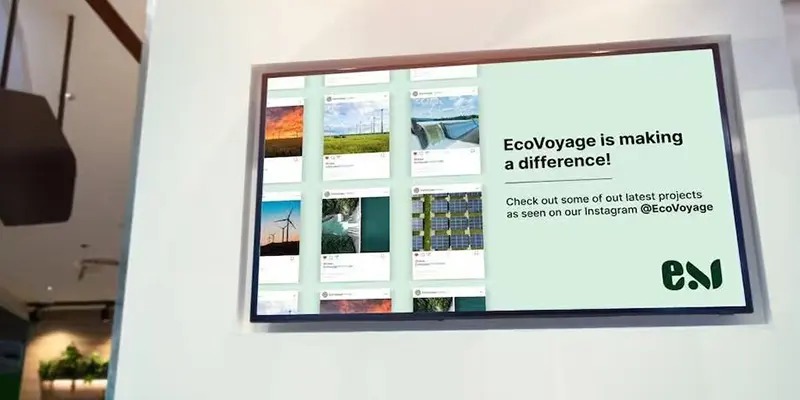
At its core, simple digital signage is about making guests feel informed, valued, and comfortable. It provides real-time updates on amenities, events, and local attractions, helping guests make the most of their stay. Imagine walking into a hotel and instantly seeing personalized recommendations—it feels thoughtful and convenient.
Simple digital signage also creates a more engaging environment. Bright visuals and dynamic content capture attention in ways that traditional signage simply can’t. This leads to higher guest satisfaction and better overall experiences.
Improving Operational Efficiency
From an operational standpoint, digital signage is a powerhouse. It reduces the need for staff to answer repetitive questions, freeing them up to focus on more meaningful interactions. It also streamlines processes like check-in and navigation.
In fact, some hotels have reported up to an 18% reduction in check-in times after implementing simple digital signage. That’s not just a small improvement—it’s a significant boost in efficiency that directly impacts guest satisfaction.
Practical Applications in Hotels
Simple digital signage can be seamlessly integrated into multiple areas of a hotel to enhance both guest experience and operational efficiency. In the lobby and reception area, it creates a strong first impression by displaying welcome messages, hotel information, and local attractions, helping guests quickly orient themselves upon arrival. For wayfinding, especially in large or complex properties, digital displays provide clear, easy-to-follow directions that reduce confusion and minimize the need for staff assistance. In restaurants, bars, and other amenities, digital menu boards and promotional screens allow hotels to showcase daily specials, highlight services, and update content instantly to keep information accurate and engaging. Meanwhile, in conference and event spaces, digital signage plays a crucial role in displaying schedules, room assignments, and real-time updates, ensuring events run smoothly and professionally. By covering all these touchpoints, simple digital signage acts as a versatile communication tool that improves convenience, boosts engagement, and streamlines hotel operations.
Personalization Through Digital Signage
Digital signage brings a new level of personalization to the hotel experience by delivering tailored content that feels relevant and engaging to each guest. By integrating with hotel management systems, displays can showcase personalized welcome messages, recommend services based on guest preferences, or highlight offers that match their interests, making the stay feel more thoughtful and customized. At the same time, multilingual capabilities ensure that guests from different countries can easily access information in their preferred language, eliminating communication barriers and enhancing comfort. This combination of targeted messaging and language flexibility allows hotels to create a more inclusive, intuitive, and memorable experience, turning digital signage into a powerful tool for building stronger connections with guests.
Increasing Revenue with Digital Displays

Digital signage is not just a communication tool—it’s also a powerful revenue driver for hotels when used strategically. By showcasing targeted promotions such as spa packages, dining specials, room upgrades, or late check-out offers, hotels can encourage guests to spend more during their stay without feeling pressured. These displays work subtly in the background, catching attention at the right moments and influencing purchasing decisions in a natural, visually appealing way. In addition, hotels can partner with local businesses—such as tour operators, restaurants, or transportation services—to display advertisements, creating an extra stream of income. With the ability to update content in real time and tailor promotions to different audiences, digital signage helps hotels maximize upselling opportunities while enhancing the overall guest experience.
Conclusion
Simple digital signage has become an essential tool in modern hospitality, transforming the way hotels communicate with guests and manage operations. By providing dynamic, real-time information, it enhances the guest experience from check-in to check-out, making stays smoother, more engaging, and more personalized. Beyond convenience, it helps hotels improve efficiency by reducing bottlenecks, streamlining navigation, and freeing staff to focus on high-value interactions. At the same time, digital displays offer clear opportunities to increase revenue through targeted promotions and upselling, all while supporting sustainable practices by reducing paper waste. Whether in lobbies, restaurants, conference rooms, or hallways, even a simple digital signage system can create a more connected, intuitive, and memorable stay, giving hotels a competitive edge in an increasingly digital and guest-centric industry.
FAQs
1. What is the main purpose of digital signage in hotels?
It helps communicate information, enhance guest experience, and improve operational efficiency through dynamic displays.
2. Is digital signage expensive for small hotels?
Not necessarily. Simple setups are affordable and scalable, making them accessible for smaller properties.
3. Can digital signage increase hotel revenue?
Yes, by promoting services and offers, it can significantly boost upselling and cross-selling opportunities.
4. How does digital signage improve guest satisfaction?
It provides instant information, reduces confusion, and creates a more engaging environment.
5. What content works best on hotel digital signage?
Welcome messages, local information, promotions, event schedules, and wayfinding directions.