
Application of Outdoor Advertising Screens in Retail Storefronts
Retail storefronts have always relied on visual cues to attract customers—bright signs, banners, and window displays. But in today's fast-paced world, static signage just doesn't cut it. Enter outdoor advertising screens, the modern solution that merges technology with marketing creativity. These screens don't just display messages—they interact with the environment, respond to real-time conditions, and grab attention in ways that traditional signage simply cannot.
The evolution from printed posters to dynamic LED and LCD displays reflects the shift in consumer behavior. People are naturally drawn to movement and color, and digital displays cater to this instinct. Moreover, retailers now have access to tools that allow remote management of content, meaning you can change promotions, prices, or messages instantly, no matter the time of day or location.
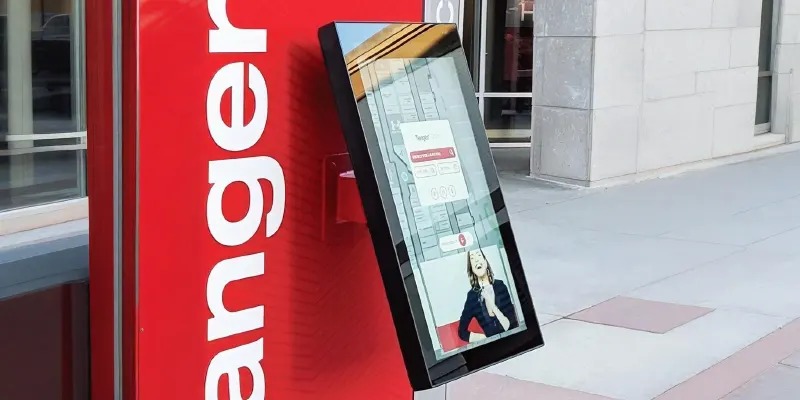
Key Benefits of Outdoor Advertising Screen
Attracting Foot Traffic
Imagine walking past a shop on a busy street. A bright, animated screen catches your eye, showcasing a limited-time offer. That is foot traffic magic at work. Retailers using outdoor advertising screen can turn casual pedestrians into paying customers by creating a visually compelling invitation.
Digital signage leverages human attention patterns, using movement, light, and color to draw people toward the store. Studies indicate that retailers who use outdoor digital screens report up to a 30% increase in spontaneous store visits, directly linking this technology to tangible results.
Promoting Real-Time Offers and Discounts
Unlike printed signs, digital screens can update in real-time, allowing retailers to display flash sales, inventory alerts, or hourly promotions. This flexibility transforms the storefront into a live marketing platform, responding dynamically to shopper behavior and current business objectives.
For example, a coffee shop can update a happy hour promotion as the afternoon begins, or a clothing store can highlight a sudden stock clearance. Real-time content not only drives urgency but also builds a sense of connection between the store and the customer, making shoppers feel they’re getting timely, exclusive deals.
Enhancing Brand Visibility
Digital screens create a larger-than-life presence. Even if a potential customer isn’t planning to visit the store immediately, the sheer visibility of an outdoor digital advertising screen reinforces brand awareness. Over time, consistent exposure to high-quality visuals and messaging ensures that the brand remains top-of-mind, increasing the likelihood of future visits.
Brands that master this approach use storytelling, humor, or emotional triggers to make an impact. By blending marketing strategy with creative visuals, a outdoor digital advertising screen can become an essential component of a retailer’s overall branding toolkit.
Interactive Customer Engagement
Some advanced outdoor advertising screen offer interactive elements, such as QR codes, touch responses, or gamified content. This interactivity allows customers to engage actively, not just passively view ads. By incorporating games, quizzes, or instant discounts through a tap or scan, retailers can create memorable experiences that encourage repeat visits and word-of-mouth promotion.
The Technology Behind Outdoor Advertising Screens
Outdoor advertising screens are powered by advanced display technologies such as LED and LCD panels, each suited for different retail environments. LED screens are known for their high brightness and visibility even under direct sunlight, making them ideal for outdoor storefronts, while LCD displays offer sharp image quality and are often used in semi-outdoor settings. To withstand harsh conditions, these screens are built with weatherproof enclosures, anti-glare coatings, and temperature control systems, ensuring stable performance in rain, heat, or cold.
In addition to hardware, modern outdoor advertising screens are equipped with smart connectivity features, including Wi-Fi or cloud-based systems that allow retailers to update content remotely and instantly. This means promotions, pricing, and advertisements can be adjusted in real time without manual intervention. With built-in software for scheduling and monitoring, retailers gain full control over their displays, making digital signage not only visually impactful but also highly efficient and easy to manage.
Strategic Placement of Outdoor Advertising Screens

High Footfall Zones
Location is everything. Placing digital screens in high foot traffic areas, such as near entrances, sidewalks, or plazas, maximizes exposure. Strategic placement ensures that the investment in outdoor digital advertising screen translates directly into potential sales, capturing both planned and spontaneous visitors.
Storefront Positioning Best Practices
Position screens at eye level and angle them toward pedestrian flow for optimal engagement. The goal is to create a natural viewing experience that doesn’t feel intrusive but rather draws attention in a subtle, enticing way. Lighting conditions, obstructions, and nearby signage should all be considered when planning placement.
Integrating with Urban Infrastructure
Outdoor screens can also integrate with street furniture, bus stops, or nearby urban elements to extend visibility beyond the immediate storefront. Such integration amplifies the impact, reaching commuters and casual passersby who might not have noticed the store otherwise.
Content Strategies for Retail Digital Screens
Effective content is what truly brings retail digital screens to life, turning them from simple displays into powerful marketing tools. Retailers should focus on using eye-catching visuals, motion graphics, and short videos to quickly grab attention in busy environments where people are constantly on the move. At the same time, incorporating real-time offers and dynamic pricing helps create urgency, encouraging customers to act immediately rather than walk past. Content should also be tailored to seasonal trends, holidays, or local events, making it more relevant and engaging for the audience. By keeping messaging clear, visually appealing, and frequently updated, retailers can maintain interest, avoid content fatigue, and maximize the impact of their digital screens.
Measuring Effectiveness and ROI
Measuring the effectiveness of outdoor advertising screens is essential to understanding their real value in retail. By using tools like foot traffic sensors and analytics software, retailers can track how many people are drawn into the store after viewing the display. In addition, engagement metrics such as dwell time, QR code scans, and interaction rates provide insight into how customers respond to the content. Most importantly, businesses can link specific campaigns to sales data, identifying which promotions drive actual purchases. This data-driven approach allows retailers to continuously optimize their content and strategy, ensuring that digital signage delivers a strong and measurable return on investment.

Conclusion
Outdoor advertising screens have become a powerful tool for modern retail storefronts, transforming the way businesses attract and engage customers. By combining high-impact visuals, real-time content updates, and strategic placement, these screens help retailers stand out in competitive environments and turn passing foot traffic into actual sales. Beyond just visibility, they offer flexibility and data-driven insights that allow businesses to continuously refine their marketing strategies. As consumer expectations continue to evolve, investing in digital signage is no longer just an option—it’s a smart move for retailers looking to stay relevant, responsive, and profitable.
FAQs
1. Are outdoor advertising screens suitable for all retail stores?
Yes, they can be adapted to different retail environments, from small boutiques to large shopping centers, depending on budget and space availability.
2. How often should content be updated on digital screens?
Ideally, content should be refreshed regularly—daily or weekly—to keep messaging relevant and maintain customer interest.
3. What is the lifespan of an outdoor digital screen?
Most high-quality screens can last between 5 to 10 years with proper maintenance and usage.
4. Do outdoor screens consume a lot of energy?
Modern LED screens are designed to be energy-efficient, making them cost-effective for long-term use.
5. Can digital screens operate in extreme weather conditions?
Yes, outdoor screens are built with weatherproof features to withstand rain, heat, and cold, ensuring reliable performance year-round.