
Elevator Digital Displays in Retail: A New Frontier for In-Store Advertising
In today’s competitive retail landscape, capturing customer attention at the right moment is everything. Elevator digital displays are emerging as a powerful yet often overlooked channel for in-store advertising. Positioned in high-traffic, enclosed spaces, these screens offer a unique opportunity to engage shoppers when they are most attentive.
1. Why Elevators Are Prime Advertising Spaces
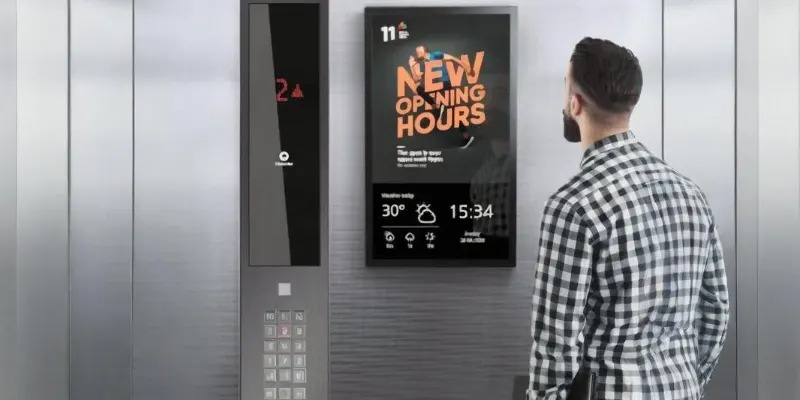
Elevators naturally create a captive audience environment. Unlike traditional retail areas where customers are constantly moving, elevator riders are stationary for several seconds.
This brief pause makes them more likely to notice and absorb on-screen content.
Retailers can take advantage of this by displaying:
Promotions and limited-time offers
New product launches
Brand storytelling visuals
Wayfinding or store highlights within the mall
2. Key Benefits for Retailers
1. High Engagement Rates
Because of the confined space, customers are more likely to focus on the screen, leading to better message retention compared to other in-store displays.
2. Strategic Micro-Moments
Elevator rides provide short but impactful “micro-moments” where brands can influence purchase decisions before customers reach their destination.
3. Targeted Advertising Opportunities
Content can be tailored based on the building, floor, or audience type. For example, luxury brands can advertise in high-end malls, while fast-food promotions can target busy commercial buildings.
4. Modern Brand Image
Installing digital displays in elevators signals innovation and enhances the overall shopping experience, making the retail environment feel more dynamic and tech-forward.
3. Content Strategies That Work for Elevator Digital Displays
1. Keep It Short and Clear
Elevator rides are brief, so use simple messages (5–10 seconds) with bold text and clear visuals.
2. Use Motion and Visual Appeal
Animations or short videos help grab attention and make content more engaging than static images.
3. Add Strong Calls to Action (CTA)
Guide viewers with direct prompts like “Visit Level 2” or “Scan for 20% Off.”
4. Highlight Time-Sensitive Offers
Use limited-time deals or countdowns to create urgency and drive quick decisions.
5. Localize Your Content
Show floor-specific or audience-relevant promotions to increase relevance and impact.
6. Mix Promotion with Value
Combine ads with light content like tips, events, or fun facts to keep viewers interested.
7. Keep Branding Consistent
Use your brand’s colors, fonts, and tone to strengthen recognition and trust.
4. Technology Behind Elevator Digital Displays
Elevator digital displays rely on a combination of hardware and software working together to deliver smooth, high-quality content in a compact space.
1. Commercial-Grade Displays
These are typically LCD or LED screens designed for long operating hours (16/7 or 24/7). They offer high brightness, wide viewing angles, and durability to perform reliably in enclosed elevator environments.
2. Media Players
A digital signage media player powers the content on the screen. It ensures videos, images, and animations run smoothly without lag, even with continuous playback.
3. Content Management System (CMS)
A cloud-based CMS allows operators to easily upload, schedule, and update content remotely. This makes it simple to manage multiple elevator screens across different locations in real time.
4. Connectivity Options
Most systems support Wi-Fi, LAN, or 4G/5G, ensuring stable communication between the CMS and the display. This enables instant updates and synchronized campaigns.
5. Smart Features and Sensors (Optional)
Advanced setups may include sensors or AI-based features to adjust brightness, track audience data, or display targeted content based on time or location.
5. Challenges to Consider
While elevator digital displays offer strong advantages, there are a few practical challenges to keep in mind:
1. Installation Limitations
Elevator cabins have limited space and strict safety regulations, which can make installation more complex. Proper mounting, wiring, and compliance with building codes are essential.
2. Durability and Maintenance
Displays must withstand continuous operation, vibration, and confined environments. Choosing commercial-grade equipment and planning for regular maintenance helps prevent downtime.
3. Content Fatigue
Since users may see the same screen frequently, repetitive content can lead to viewer fatigue. Regular updates and varied content are necessary to keep engagement high.
4. Connectivity Stability
Elevators can sometimes have weak or unstable signals, especially in high-rise buildings. Reliable network solutions or offline playback capabilities are important.
5. Initial Investment
The upfront cost—including hardware, installation, and software—can be higher than traditional signage. However, this is often balanced by long-term flexibility and impact.
6. Conclusion
Elevator digital displays represent a high-impact, underutilized advertising space in retail environments. By leveraging short, engaging content in a captive setting, retailers can influence customer behavior, boost brand visibility, and enhance the overall shopping journey.
7. Q&A
Q1: What are elevator digital displays used for?
A: Elevator digital displays are mainly used for advertising, promotions, and information sharing. Retailers use them to showcase products, highlight offers, and guide customers to specific store locations.
Q2: Why are elevator displays effective for advertising?
A: Elevators create a captive audience environment, where people are more likely to notice and engage with content during short waiting or travel times.
Q3: How often should content be updated?
A: It’s recommended to update content regularly (weekly or bi-weekly) to avoid repetition and keep messages fresh and engaging for frequent viewers.
Q4: Can elevator digital displays be managed remotely?
A: Yes, most systems use a cloud-based CMS, allowing businesses to update and control content across multiple screens from any location.
Q5: Are elevator digital displays expensive to install?
A: The initial cost can be higher than traditional signage, but the long-term benefits—such as easy updates, dynamic content, and better engagement—often provide a strong return on investment.