
Beloong x Retail Brands: Building Interactive LCD Display Solutions for Smarter In-Store Experiences
The Evolution of Retail Store Experiences
Retail stores have evolved far beyond simple places where customers browse shelves and make purchases. Today, stores are designed to deliver engaging experiences that combine physical shopping with digital technology. As consumer expectations continue to rise, retailers are looking for ways to make their stores more interactive, informative, and visually appealing.
In the past, retail environments relied heavily on printed posters and static signage for promotions. While these traditional methods were effective, they lacked flexibility and could not easily adapt to changing campaigns or customer needs. Modern retailers now use digital signage and interactive LCD displays to showcase dynamic content, update promotions instantly, and provide product information in real time.
These technologies help bridge the gap between online convenience and in-store shopping. By incorporating interactive displays, retailers can guide customers through the store, highlight key products, and create a more engaging shopping experience that encourages exploration and purchasing.
From Static Signage to Smart Digital Displays
The shift from traditional signage to digital displays has transformed how retailers communicate with customers. Instead of relying on printed posters that require manual replacement, retailers now use smart LCD displays to deliver dynamic and flexible content. This change allows stores to update promotions quickly and create more engaging in-store experiences.
1. Real-Time Content Updates
Digital displays allow retailers to update promotions, pricing, and campaigns instantly through centralized systems. This eliminates the need for reprinting materials and makes marketing more efficient.
2. Rich and Dynamic Visual Content
Unlike static posters, LCD displays can show videos, animations, and high-resolution product images. This dynamic content attracts attention and helps retailers present products more effectively.
3. Interactive Customer Experiences
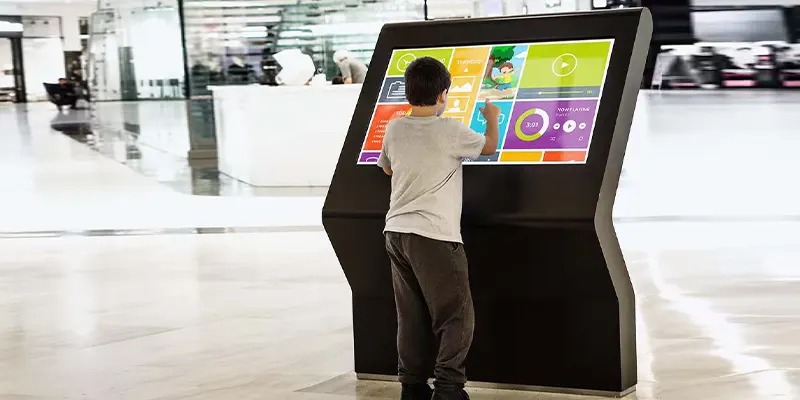
Many modern displays include touchscreen technology, allowing customers to browse products, view details, and interact with digital catalogs. This transforms displays from simple advertisements into interactive retail tools that support the shopping journey.
Why Retail Needs Interactive Technology
Modern shoppers expect the same speed and convenience in physical stores that they experience online. They want quick access to product information, easy comparisons, and a smoother shopping journey. Interactive technology helps retailers meet these expectations by providing instant information and self-service options directly in-store.
Interactive LCD displays allow customers to browse products, check availability, and explore features with just a few taps. This reduces the need to search for assistance and helps shoppers make faster, more confident purchasing decisions.
At the same time, interactive displays encourage customers to engage with store content. When shoppers actively explore digital catalogs or promotions, they often spend more time in the store and discover more products, which can ultimately increase sales.
Beloong’s Expertise in Commercial Display Technology
Beloong has developed strong expertise in commercial LCD display manufacturing, providing digital signage and display solutions for industries such as retail, transportation, healthcare, and hospitality. Its products include digital signage screens, LCD video walls, advertising displays, and interactive kiosks designed for continuous commercial use.
One of Beloong’s strengths is its ability to provide flexible display solutions that fit different retail environments. Stores can choose from various screen sizes and installation formats to match their layout and branding needs.
By combining reliable hardware with customizable features, Beloong helps retail brands create modern digital display systems that enhance communication, promotions, and customer engagement inside the store.
Key Technologies Behind Interactive Displays
Interactive LCD displays rely on several core technologies that ensure reliable performance in busy retail environments. These technologies allow the screens to deliver clear visuals, smooth interaction, and flexible content management.
1. High-Brightness and Wide Viewing Angles
Commercial displays use high-brightness panels and wide viewing angles so content remains clear and visible from different positions inside the store.
2. Responsive Touchscreen Technology
Technologies such as infrared (IR) or capacitive touch enable smooth and accurate interaction, allowing customers to browse products and access information easily.
3. Smart Operating Systems and Remote Management
Many displays run on Android or Windows systems, making it easy for retailers to update content, manage promotions remotely, and integrate displays with store software.
Core Features of Beloong Interactive LCD Displays
1. High-Resolution Commercial Screens
Visual clarity is critical in retail environments. High-resolution screens ensure that product images, promotional videos, and brand messages appear crisp and vibrant. Many commercial displays support Full HD or 4K resolution, delivering exceptional visual quality that attracts attention and enhances brand presentation.
2. Multi-Touch Interactive Interfaces
Touchscreen capability is what transforms a display into an interactive tool. Multi-touch technology allows users to browse content, zoom into product images, and navigate digital menus effortlessly. In busy retail environments, multiple customers can interact with the display at the same time.
3. Flexible Installation Options
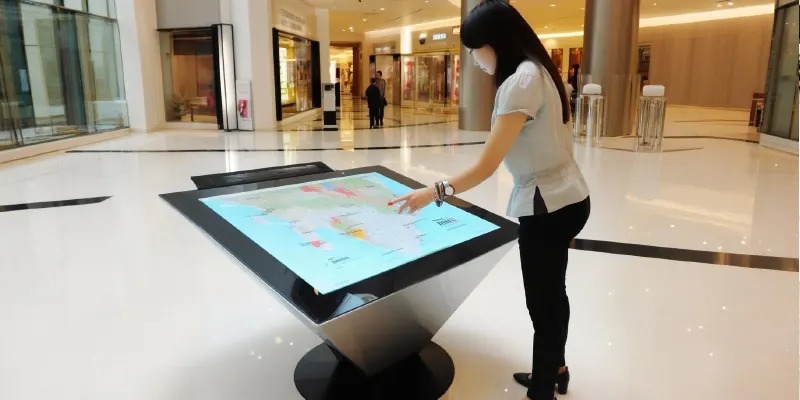
Retail spaces vary in layout and design, which is why display flexibility is important. Interactive LCD displays can be installed as wall-mounted screens, floor-standing kiosks, touch tables, or large video walls. This versatility allows retailers to place displays strategically where they have the greatest impact.
Benefits for Retail Brands
Interactive LCD displays offer several advantages for retailers by improving both customer experience and store operations.
1. Stronger Customer Engagement
Interactive screens encourage shoppers to explore products, browse digital catalogs, and interact with promotions, making the in-store experience more engaging.
2. Improved Sales Opportunities
By providing product details, videos, and comparisons, digital displays help customers make informed decisions, which can increase purchase confidence and conversion rates.
3. More Efficient Promotion Management
Retailers can update campaigns and promotional content instantly through digital systems, reducing the need for printed materials and simplifying marketing updates.
Future Trends in Smart Retail Displays
Retail technology continues to evolve rapidly, and digital displays are becoming increasingly sophisticated. Emerging trends include AI-driven product recommendations, augmented reality shopping experiences, and advanced customer analytics.
In the near future, displays may be able to personalize content based on customer behavior, demographics, or purchase history. Integration with mobile devices and e-commerce platforms will also become more common, creating a seamless omnichannel shopping experience.
As these technologies develop, interactive LCD displays will remain a central component of smart retail environments. They provide the visual interface through which customers interact with digital content inside physical stores.
Conclusion
Interactive LCD display solutions are transforming the retail landscape. By combining dynamic visuals, touchscreen interaction, and real-time content updates, these displays help retailers create engaging and informative in-store experiences.
Beloong’s commercial display technologies enable retail brands to build modern digital environments that capture attention and support customer decision-making. From product discovery to promotional campaigns, interactive displays enhance every stage of the shopping journey.
Retailers who invest in these technologies are not simply upgrading their signage—they are redefining the role of physical stores in the digital era.
FAQs
1. What are interactive LCD displays used for in retail?
Interactive LCD displays are used for product browsing, digital catalogs, self-service kiosks, and promotional advertising within retail stores.
2. How do digital displays improve customer engagement?
They allow customers to interact with content directly, explore product information, and access helpful tools that enhance the shopping experience.
3. Are interactive displays suitable for small retail stores?
Yes. Interactive displays come in various sizes and formats, making them suitable for both small boutiques and large shopping malls.
4. What industries commonly use digital signage solutions?
Retail, hospitality, transportation, healthcare, banking, and education sectors widely use digital signage systems.
5. Why are retailers investing in smart display technology?
Retailers invest in digital displays to improve customer engagement, update promotions easily, and create modern, technology-driven shopping environments.