
How to Design In-Store Signage to Maximize Visibility
In-Store Signage plays a critical role in retail environments, serving as the silent communicator that influences customer decisions and shapes their shopping experience. When done right, it directs customers, promotes sales, and reinforces brand identity. However, with the sheer volume of stimuli shoppers encounter within a store, it’s crucial to design signage that stands out and catches attention. Maximizing the visibility of in-store signage requires careful thought about design elements, placement, and content. Here, we’ll explore effective strategies for creating impactful in-store signage.
1. Focus on Legibility and Simplicity
To create effective signage, the first rule is to ensure it is legible from a distance. If customers can’t read the sign quickly or easily, it fails to serve its purpose. Choose easy-to-read fonts like Arial or Helvetica, which are simple and clean. Avoid overly decorative or complex fonts that may look stylish but hinder readability. Bold typography can also help draw attention to key words or phrases, especially for sale or promotion notices. The font size must be large enough to be seen clearly from various distances across the store. A sign that’s too small in high-traffic areas will be missed entirely. High contrast between text and background is crucial—dark text on a light background, or vice versa, ensures clarity. The easier it is for customers to read a sign, the more likely they are to engage with it.
2. Proper Placement for Maximum Impact
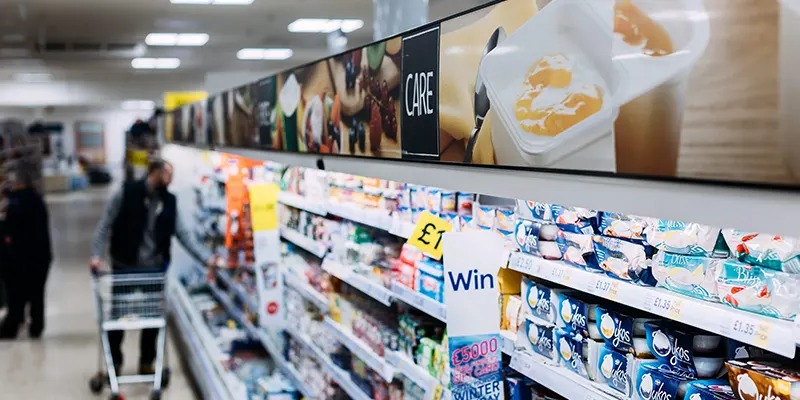
Even the most beautifully designed signage won’t be effective if it’s placed in the wrong location. Strategic placement plays a huge role in ensuring that signage is visible and accessible to customers. Signs placed near entrances and exits immediately orient customers as they enter and leave the store. These spots can be used for welcome messages, sale announcements, or directions. High-traffic areas, such as the ends of aisles, are perfect for displaying promotions or new arrivals, as customers typically spend more time here. Signage should be positioned at eye level, which increases the likelihood of customers noticing it. The average person’s line of sight is around 4 to 5 feet above the ground, so placing signs at this height ensures maximum visibility. It’s also essential to avoid cluttering the store with too many signs. Each sign should have a clear purpose and be placed where it doesn’t overwhelm the customer.
3. Utilize Visuals and Graphics
While text is important, visuals play a significant role in capturing attention and conveying the message quickly. A well-designed graphic or image can communicate an idea faster than words alone. Including high-quality product images or illustrations helps create an instant connection with the customer. For example, showcasing a new collection of clothes with images of models or highlighting a gadget with a detailed shot makes the sign more engaging. Colors can also have a psychological impact on customers. Red, for instance, creates a sense of urgency and excitement, making it a great choice for clearance sales. On the other hand, blue conveys trust and calmness, often used for premium or high-end products. It’s also important to maintain branding consistency across all signage. Using your store’s colors and logo will help reinforce your brand’s identity and ensure that customers associate the signage with your store.
4. Embrace Digital Signage for Flexibility and Interaction
Digital signage offers a dynamic and modern alternative to traditional signs, allowing stores to display changing content easily and engage customers with interactive elements. Digital signage is particularly useful for time-sensitive promotions, as it can be updated in real-time without the need to print new materials. Animations and motion graphics naturally draw the eye, making them an effective tool for attracting attention. Moving graphics or videos showcasing a product in use can be far more engaging than static text. Interactive digital displays also allow customers to engage with the content. For example, a touchscreen display where customers can browse through a product catalog, check stock availability, or scan QR codes for exclusive deals can enhance the shopping experience. With digital signage, you can integrate multimedia content such as video, sound, and customer testimonials, offering a more immersive experience than traditional signage.
5. Keep the Message Clear and Focused
In a retail environment, customers are often on the move, so it’s essential that signage conveys its message quickly and clearly. A cluttered, overly detailed sign will only confuse shoppers and fail to drive engagement. Keep the message short and impactful, using phrases like “Buy One, Get One Free” or “50% Off,” which immediately communicate the offer. Highlight the key information, such as the discount or the product being promoted, by making it stand out through bold typography or contrasting colors. Focus on one main message per sign, as trying to convey too many ideas on one display can overwhelm the customer and dilute the impact. The simpler and more direct the message, the more effective it will be in capturing attention.

Conclusion
Maximizing the visibility of in-store signage involves a careful blend of clear design, strategic placement, and engaging visuals. By focusing on legibility, placement, and the use of compelling imagery, you can create signs that not only attract attention but also enhance the overall shopping experience. Digital signage provides added flexibility, allowing stores to quickly adapt content and engage with customers in a more interactive way. When signage is designed thoughtfully, it not only boosts sales but also improves navigation and reinforces brand identity. Retailers that invest in well-crafted signage are setting the stage for greater customer engagement and satisfaction.
FAQ
1. What font is best for in-store signage?
A simple, sans-serif font like Arial or Helvetica is ideal. These fonts are clean, legible, and look great from a distance.
2. How often should I update my signage?
It’s recommended to update signage regularly to keep promotions current. Digital signage makes this process easier, allowing for instant updates without the need for reprinting materials.
3. Where is the best place to put in-store signage?
High-traffic areas such as entrances, exits, and aisle ends are prime spots for placing signage. Eye-level placement is also important for maximum visibility.
4. Should I use digital signage in my store?
Digital signage offers greater flexibility and the ability to display dynamic content. It’s particularly useful for stores that frequently update their promotions or want to engage customers interactively.
5. What should I focus on when designing in-store signage?
The key elements to focus on are legibility, simplicity, and clear messaging. Avoid clutter and ensure the sign’s purpose is immediately clear to the customer.