
How a Modern Restaurant Upgraded Its Customer Experience with Digital Menu board?
In today's competitive food service industry, restaurants are no longer judged only by taste. Customers expect speed, clarity, and a seamless experience from the moment they walk in. The menu is often the first real interaction a customer has inside a restaurant. It sets expectations, influences decisions, and shapes perceptions. When menus are confusing or outdated, the entire experience suffers. This realization led one modern restaurant to rethink its approach and invest in digital menu board as a customer experience upgrade.
What Is Digital Menu Board?
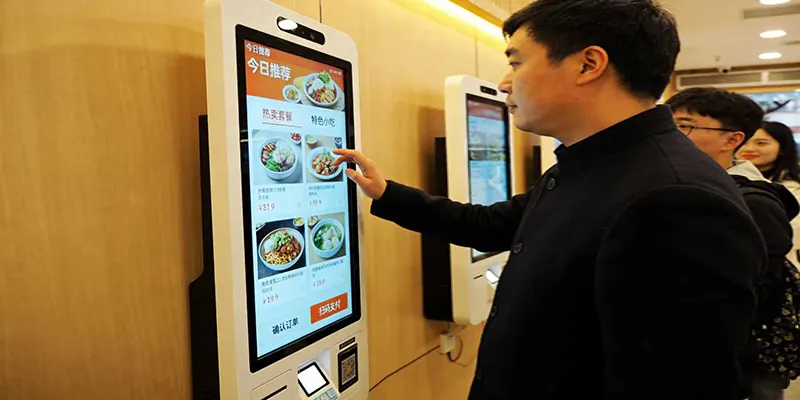
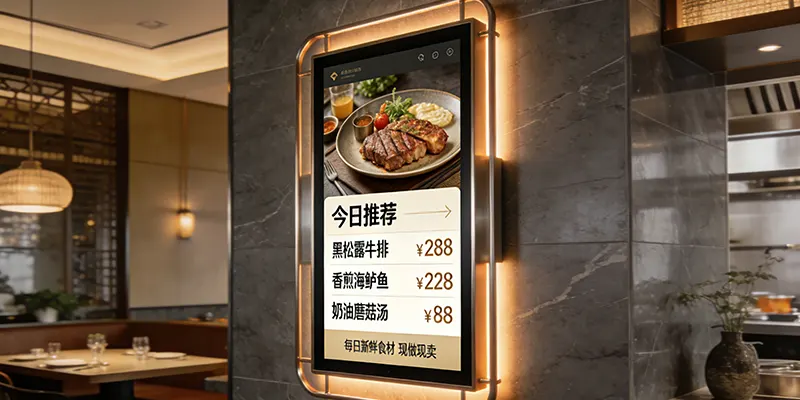
Digital menu board is a modern solution that replaces printed boards with screen-based displays. These systems are usually powered by content management software that allows real-time updates. Restaurants can schedule menus for different times of day, highlight promotions, and visually emphasize key items.
The core components include:
Screens – Wall-mounted, ceiling-mounted, or counter displays
Content Management Software (CMS) – To manage menus, images, and schedules
Network Infrastructure – Ensures remote updates are seamless and synchronized across multiple locations
Disadvantages of Traditional Menu Board
Lack of Flexibility
Traditional printed or static menu boards are inherently rigid. Once designed and printed, they cannot be updated without going through a time-consuming and costly process. For example, introducing a seasonal dish or adjusting a price requires sending new prints to each location, which can take days or even weeks. This inflexibility means that menus often display outdated information. Customers may arrive expecting an item that is no longer available, leading to disappointment and extra work for staff.
Moreover, the inability to make real-time changes makes it difficult for restaurants to respond to market trends or unexpected supply issues. For instance, if an ingredient suddenly becomes unavailable, the static menu offers no quick solution. Staff must verbally communicate changes, which can confuse customers and slow down service.
Customer Confusion
Traditional menus board can often overwhelm customers with too much information. Many printed boards try to show every option, every modifier, and every combo all at once. While the intent is to provide choice, the result is visual clutter. Customers may struggle to locate the items they want, compare prices, or understand promotions.
Consider a customer visiting during lunch rush: they are confronted with long lists of breakfast items, lunch combos, and limited-time promotions all on the same board. The result? Hesitation, second-guessing, and longer decision-making times. This confusion can lead to frustration, abandoned orders, or missed upselling opportunities.
Even for regular customers, static menus are less engaging. There is no way to highlight new dishes or draw attention to high-margin items. Over time, menus can feel stale, diminishing the perception of freshness and innovation.
Increased Pressure on Staff
Because traditional menus fail to communicate clearly, staff must fill in the gaps. Employees often spend significant time answering repetitive questions, explaining promotions, or clarifying items’ ingredients. During busy periods, this slows down service and increases stress.
Order errors are another byproduct. A customer misreads a static menu, makes a choice, and only realizes the mistake when they receive their order. Staff must then handle corrections, compounding the inefficiency.
Beyond operational delays, this pressure affects staff morale. Constantly repeating the same explanations can be tiring, and mistakes caused by menu limitations can lead to frustration for both staff and customers. In short, static menus create friction for everyone involved—customers, employees, and management alike.
Case Study: A Restaurant's Journey to Digital Transformation
Identifying the Need for Change
A fast-casual restaurant chain in California upgraded to digital menu board after facing repeated operational bottlenecks. The restaurant noticed frustrated customers asking about sold-out items that were still listed on printed menus. Decision times were long, staff were constantly answering questions, and promotional specials weren't getting noticed. The owner realized the traditional menu format was no longer serving the guests or the business efficiently.
The decision to upgrade to digital menu board was driven by clear operational bottlenecks and customer complaints. The bistro wanted to make ordering intuitive, reduce wait times, and spotlight specials more effectively — and digital menus offered a way to do all three.
Planning and Budgeting for Digital Menu Board
The next step involved evaluating budget, hardware, and software needs. The restaurant chose commercial-grade digital mebu board and a cloud-based content management system for centralized control across all locations. With carefully planned screen placement and content strategy, they ensured every screen would be visible from key vantage points in the dining area and queue.
Training staff and developing a content calendar also played a role in ensuring the rollout was smooth and that content remained fresh and relevant from day one.
Choosing the Right Hardware
Selecting the right display hardware is crucial. Not all screens are created equal — especially in environments like restaurants where bright lighting, constant use, and variable viewing distances must be considered. Commercial displays are typically more durable and brighter than consumer-grade alternatives, ensuring clarity and longevity in restaurant settings.
Placement matters too. Overhead digital menu boards should be positioned for optimal sightlines, while kiosks and tabletop displays need intuitive layouts that invite interaction rather than crowding the counter.
Content Management and Software Integration
Behind every digital menu board is a CMS that controls what appears on screen. Choosing a flexible software solution allows menus to be updated remotely, scheduled for different day parts (breakfast vs. dinner menus), and targeted with promotional content. Integration with point-of-sale (POS) systems can further enhance accuracy, automatically updating screen content when items sell out or prices change.
Measurable Results After Going Digital Menu Board
Sales Growth and Upsell Opportunities
The impact of digital menu board on sales can be significant. Restaurants adopting this technology often report increased sales, especially when high-margin items and combos are highlighted strategically. Some industry reports suggest restaurants see sales increases in the range of 17–38% after implementing digital signage, thanks to improved engagement and upselling via vibrant visuals and real-time promotional content.
Customers tend to order more when items are presented attractively and cues encourage them to explore add-ons or featured offerings.
Improved Customer Satisfaction
From reduced wait times to clearer menus and more engaging visuals, customers consistently report a more positive dining experience with digital menu board. The simple act of seeing what's available, without ambiguity or confusion, builds confidence and satisfaction. Whether diners are regulars or first-timers, digital menus make ordering smoother, quicker, and more enjoyable.
Conclusion
Traditional menus have limitations that affect both customers and staff: they are inflexible, confusing, and limit marketing potential. Digital menu signage solves these problems by offering flexibility, dynamic content, and visual engagement. A well-designed digital menu not only improves ordering speed and accuracy but also strengthens brand perception, increases customer satisfaction, and provides measurable business benefits.
Restaurants that embrace digital signage can enhance operational efficiency, highlight promotions effectively, and create a modern, engaging experience that aligns with customer expectations in today’s fast-paced dining environment.
FAQs:
1. How does digital menu board improve customer experience?
Digital signage simplifies menu navigation, reduces confusion, highlights promotions, and allows customers to make decisions quickly, resulting in faster service and higher satisfaction.
2. Is digital menu board expensive to implement?
Initial investment can be higher than static boards, but long-term savings on printing, maintenance, and labor make it cost-effective over time.
3. Can small restaurants benefit from digital menu boards?
Yes. Even a single-screen setup can enhance clarity, highlight promotions, and improve customer experience without needing multiple locations.
4. How often should digital menus be updated?
Menus can be updated as often as needed—daily, weekly, or seasonally. Real-time updates ensure promotions and item availability are always accurate.
5. Does digital menu board increase sales?
Yes. By highlighting bestsellers, combos, and limited-time offers, digital menu board can increase average order value and overall revenue.