
How to Use POS Digital Signage in Los Angeles Retail Stores
What Is POS Digital Signage?
Walk into a modern retail store in Los Angeles today, and chances are you will immediately notice bright digital screens showcasing promotions, product videos, seasonal campaigns, and interactive shopping experiences. That is exactly what POS digital signage is all about. POS stands for “Point of Sale,” and digital signage refers to electronic displays strategically placed around a retail environment to communicate with customers in real time. Unlike static posters that quickly become outdated, digital signage allows retailers to instantly update content, advertise promotions, and create immersive brand experiences.
Retail competition in Los Angeles is intense. From trendy boutiques on Melrose Avenue to large shopping centers in Downtown LA, businesses constantly fight for customer attention. Traditional advertising methods simply cannot match the flexibility and visual impact of digital displays. POS digital signage transforms a retail space into a dynamic environment where customers are guided visually through products, promotions, and services. Think of it as turning your store into a living social media feed that updates throughout the day.
Why Los Angeles Retailers Are Adopting POS Digital Signage
Los Angeles is one of the most trend-driven retail markets in the United States. Consumers expect visually appealing shopping environments that feel modern and engaging. Retailers that fail to upgrade their stores often struggle to compete with larger chains and online shopping platforms. POS digital signage helps bridge that gap by creating an interactive in-store experience that attracts attention and encourages purchasing behavior.
The fast-paced nature of retail in Los Angeles also makes flexibility essential. Product prices, inventory levels, and promotional campaigns can change quickly.POS Digital signage enables instant updates across multiple screens in different store locations. Instead of printing new marketing materials every week, retailers can manage all displays remotely from a centralized platform. This saves both time and operational costs while keeping marketing campaigns fresh and relevant.
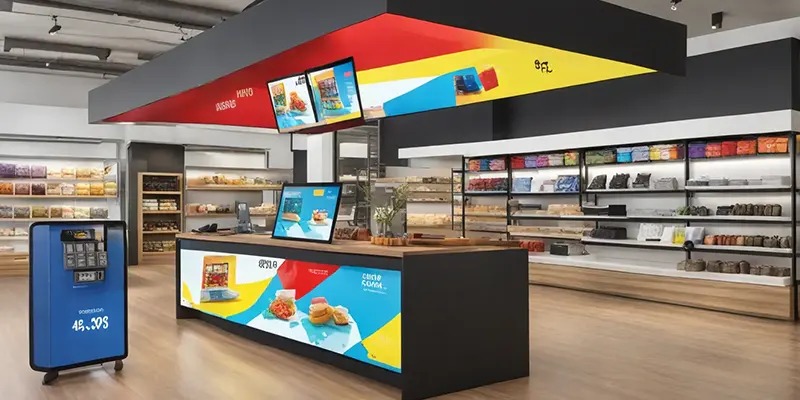
Benefits of POS Digital Signage for Retail Stores
Enhancing Customer Engagement
Customer attention is the most valuable currency in modern retail. POS digital signage captures that attention far more effectively than traditional printed advertisements. Moving visuals, animated graphics, and promotional videos naturally attract the human eye. It is similar to how people instinctively stop scrolling when they see engaging video content on social media. In retail, digital displays create the same psychological effect.
Los Angeles retailers especially benefit from experiential shopping trends. Consumers today are not just purchasing products; they are seeking memorable experiences. POS digital signage helps create a store atmosphere that feels modern, entertaining, and technologically advanced. Whether it is a sneaker store displaying athlete videos or a cosmetics retailer offering virtual makeup previews, digital signage transforms ordinary shopping into immersive brand interaction.
Increasing In-Store Sales and Upselling
One of the biggest advantages of POS digital signage is its ability to drive impulse purchases. Strategic digital displays placed near checkout counters can showcase limited-time offers, accessories, or bundled products that customers may not have initially considered buying. It works much like the snack shelves near supermarket cash registers, except POS digital signage is more dynamic and visually persuasive.
Retailers in Los Angeles often use digital displays to highlight flash sales, loyalty rewards, and trending products. Because the content can change instantly, stores can promote specific products during peak shopping hours or react quickly to inventory levels. For example, if a clothing retailer notices excess stock for a certain jacket style, they can immediately launch an in-store promotion across all digital screens.
Digital signage also improves upselling opportunities by educating customers. Instead of relying solely on sales associates, retailers can display detailed product comparisons, styling recommendations
Screen Size and Resolution
Choosing the right display size depends heavily on store layout and viewing distance. Large video walls work well in flagship retail environments, while smaller displays are ideal for checkout counters or product shelves. Retailers should also prioritize high-resolution screens because blurry visuals can damage brand perception.
Strategic Placement of POS Digital Signage
Entrance and Storefront Areas
First impressions matter. Entrance displays should immediately communicate the store’s identity and current promotions. Large digital screens near entrances help attract foot traffic while setting the tone for the shopping experience inside.
Retailers often use entrance signage to display welcome messages, promotional campaigns, and trending products. These displays act like digital billboards that continuously engage passing customers.
Checkout Counters
Checkout areas are ideal locations for impulse marketing. Customers standing in line naturally look around while waiting, making this the perfect opportunity to display promotional offers, loyalty rewards, or complementary products.
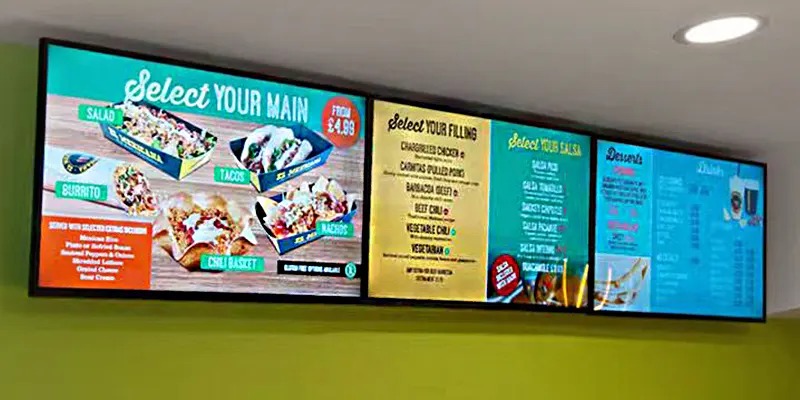
Restaurants and convenience stores frequently use checkout displays to promote add-ons and limited-time deals. Even small increases in average transaction value can significantly impact long-term profitability.
Product Promotion Zones
Dedicated promotional zones within a store can become highly effective sales drivers when combined with digital signage. Video demonstrations, influencer campaigns, and customer testimonials help products stand out from competitors.
Retailers can also rotate campaigns frequently to maintain customer interest. Dynamic content keeps shopping environments visually exciting and encourages repeat visits.
Integrating POS Digital Signage With Retail POS Systems
Inventory Synchronization
Integration between digital signage and inventory systems prevents customer frustration caused by outdated promotions. When products go out of stock, signage content can update automatically to avoid advertising unavailable items.
This automation also improves operational efficiency by reducing manual content management tasks. Retail staff spend less time updating signs and more time assisting customers.
Real-Time Pricing Updates
Retail pricing changes frequently, especially during promotional campaigns. Integrated POS signage systems allow instant pricing updates across all screens, reducing inconsistencies and human error.
Retailers can also implement dynamic pricing strategies based on demand, inventory levels, or special events. This flexibility provides a significant competitive advantage in fast-moving retail environments.
Common Mistakes Retailers Should Avoid
One of the biggest mistakes retailers make is overloading screens with too much information. Customers should understand promotional messaging within seconds. Cluttered visuals reduce effectiveness and create confusion.
Another common issue is poor content quality. Low-resolution images, outdated videos, and inconsistent branding damage customer perception. Retailers should treat digital signage as an extension of their brand identity rather than just an advertising tool.
Ignoring analytics is another costly mistake. Modern digital signage platforms provide valuable data about customer engagement, screen performance, and content effectiveness. Retailers that analyze this information can continuously optimize marketing strategies for better results.
Future Trends of POS Digital Signage in Los Angeles
Artificial intelligence is expected to play a major role in the future of retail signage. AI-powered systems can personalize content based on customer demographics, shopping behavior, and real-time analytics. This means stores may eventually display different advertisements depending on the audience viewing the screen.
Interactive technologies like augmented reality are also becoming more common. Customers may soon use digital displays to virtually try on clothing, preview furniture in their homes, or test cosmetic products digitally.
Sustainability is another emerging trend. POS Digital signage reduces paper waste associated with traditional printed advertising. As eco-conscious retail practices become more important in Los Angeles, digital solutions will continue gaining popularity.
FAQs
1. What is the main purpose of POS digital signage in retail stores?
The main purpose is to improve customer engagement, promote products dynamically, and increase in-store sales through visually appealing digital displays.
2. Is POS digital signage expensive for small retail stores?
Costs vary depending on screen size, software, and installation. Many cloud-based systems are now affordable for small and medium-sized retailers.
3. Can digital signage integrate with existing POS systems?
Yes. Most modern digital signage platforms support integration with retail POS software, inventory systems, and customer management tools.
4. What type of content performs best on retail POS digital signage?
Short promotional videos, flash sales, social media content, and motion graphics typically generate the highest engagement.
5. Why is POS digital signage important in Los Angeles retail environments?
Los Angeles is a highly competitive and trend-focused retail market where visually engaging shopping experiences strongly influence consumer behavior.