
What Businesses Use Self-Service Kiosks?
Self-service kiosks offer a convenient solution by allowing customers to complete transactions, access information, and make purchases without direct assistance from staff. From restaurants and retail stores to hospitals and airports, these interactive systems are transforming customer experiences across various industries. Understanding which businesses benefit most from kiosk technology can help organizations determine whether investing in a self-service solution is the right choice.
What Is a Self-Service Kiosk?
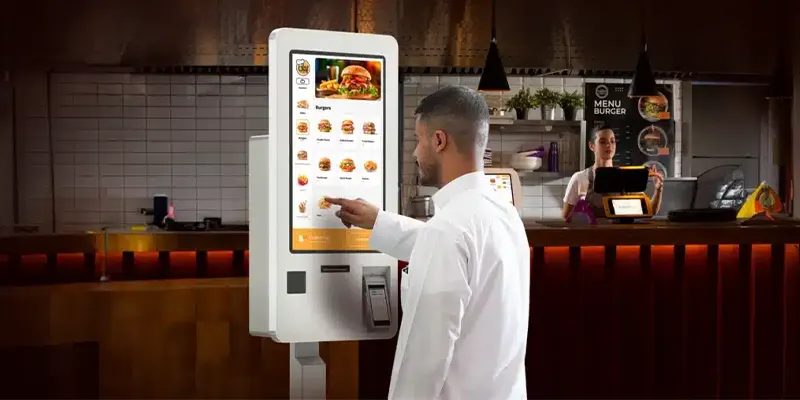
A self-service kiosk is an interactive touchscreen terminal designed to allow customers to perform specific tasks independently. These tasks may include ordering food, making payments, checking in for appointments, printing tickets, or accessing product information. Modern kiosks often include advanced features such as QR code scanning, contactless payment support, receipt printing, and cloud-based management systems. By automating routine processes, businesses can reduce labor costs while improving service speed and accuracy. Self-service kiosks are available in various designs, including floor-standing units, wall-mounted displays, and countertop models suitable for different business environments.
Restaurants and Fast-Food Chains
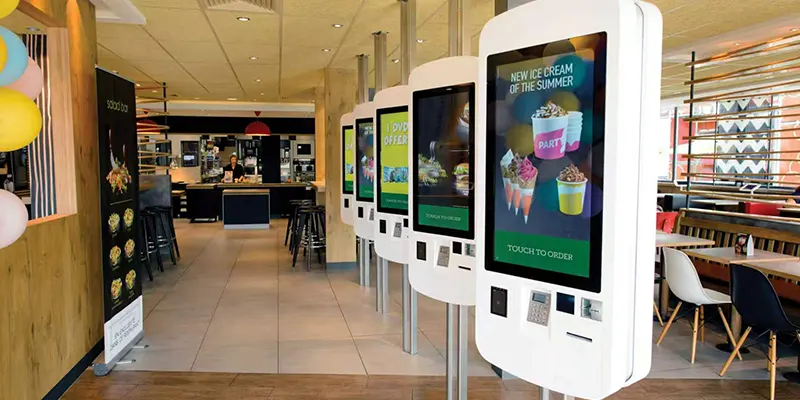
Restaurants and fast-food chains are among the most common users of self-service kiosks. Customers can browse digital menus, customize their meals, and complete payments directly through the kiosk. This reduces waiting times, improves order accuracy, and helps staff focus on food preparation rather than order taking. Self-ordering kiosks also increase sales by promoting add-on items such as drinks, desserts, and meal upgrades. Many major restaurant brands have successfully implemented kiosk systems to improve operational efficiency. As labor shortages and rising costs continue to challenge the food service industry, self-service kiosks provide a practical and profitable solution.
Retail Stores and Shopping Malls
Retail businesses use self-service kiosks to enhance customer convenience and streamline store operations. Shoppers can check product availability, compare prices, browse promotions, and complete purchases using self-checkout systems. In shopping malls, interactive kiosks often serve as digital directories that help visitors locate stores and services. These systems reduce congestion at customer service counters while improving the overall shopping experience. Retailers also benefit from valuable customer data collected through kiosk interactions. By providing quick access to information and faster checkout options, self-service kiosks help businesses improve customer satisfaction and encourage repeat visits.
Hotels and Hospitality Businesses
Hotels and hospitality businesses use self-service kiosks to simplify guest services and improve operational efficiency. Guests can check in, check out, update reservation details, and receive room access cards without waiting at the front desk. This is especially useful during busy travel periods when long queues can negatively affect the guest experience. Many hotel kiosks also provide information about local attractions, transportation, and hotel amenities. By automating routine administrative tasks, hotel staff can focus more on personalized customer service. Self-service kiosks help hotels enhance convenience while reducing labor demands and operating costs.
Healthcare Facilities
Healthcare facilities increasingly rely on self-service kiosks to improve patient registration and administrative processes. Patients can use kiosks to check in for appointments, update personal information, verify insurance details, and complete necessary forms. This reduces paperwork and shortens waiting times at reception desks. Hospitals and clinics also use kiosks for wayfinding, helping visitors navigate large facilities more efficiently. By reducing administrative workloads, healthcare professionals can dedicate more time to patient care. Self-service kiosks improve accuracy, efficiency, and patient satisfaction, making them a valuable tool in modern healthcare environments.
Transportation Hubs
Airports, train stations, and bus terminals depend heavily on self-service kiosks to manage large numbers of travelers efficiently. Passengers can use kiosks to purchase tickets, print boarding passes, check schedules, and update reservations. These systems significantly reduce queues and improve the travel experience, especially during peak periods. Transportation operators benefit from lower staffing requirements and faster passenger processing. Self-service kiosks also provide real-time travel information, helping travelers stay informed about delays or schedule changes. As transportation networks continue to grow, kiosks play an increasingly important role in delivering efficient and convenient services.
FAQ
What is a self-service kiosk?
A self-service kiosk is an interactive touchscreen device that allows customers to complete tasks such as ordering, payment processing, ticketing, and information access without staff assistance.
Which industries use self-service kiosks the most?
Restaurants, retail stores, hotels, hospitals, airports, banks, government offices, and entertainment venues are among the most common users of self-service kiosks.
Do self-service kiosks increase sales?
Yes. Kiosks often promote additional products and upgrades, helping businesses increase average transaction values and overall revenue.
Are self-service kiosks suitable for small businesses?
Absolutely. Many kiosk solutions are scalable and affordable, making them suitable for small businesses as well as large enterprises.
What are the main benefits of self-service kiosks?
The main benefits include reduced labor costs, improved customer satisfaction, faster service, better accuracy, and increased operational efficiency.