-
04-24 2026
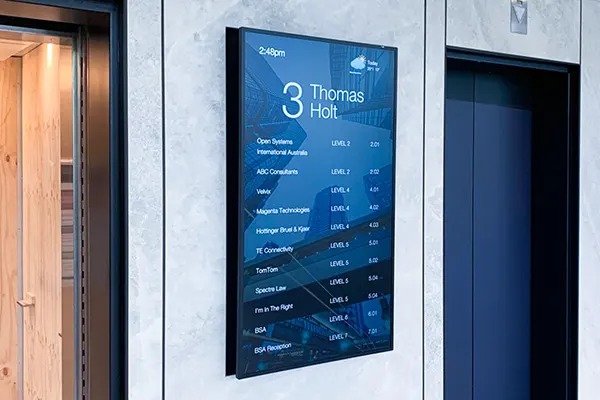
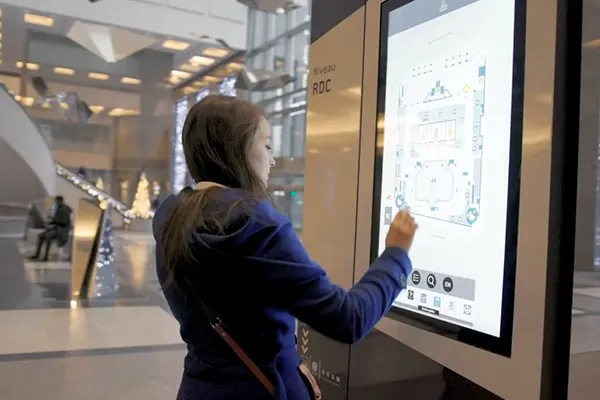
How Digital Building Directory Signs Reshape Navigation in Smart Buildings?
How Digital Building Directory Signs Reshape Navigation in Smart Buildings
-
04-23 2026
How to Start Indoor Digital Advertising: A Complete Beginner-to-Pro Guide
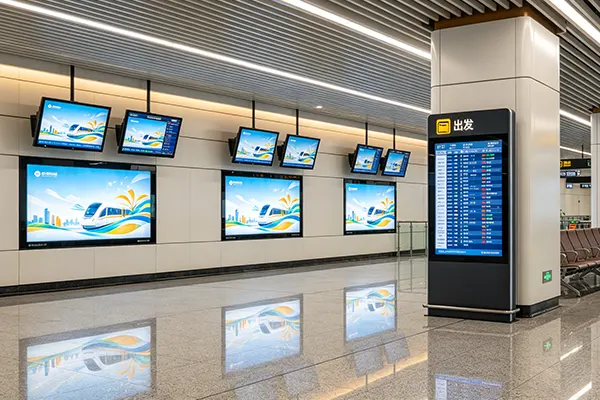
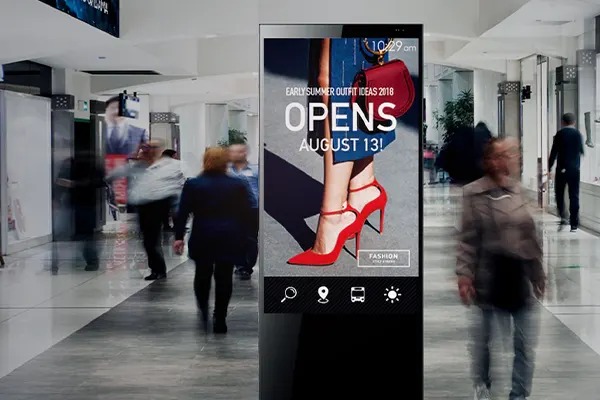
Indoor digital advertising is exactly what it sounds like—placing digital screens inside indoor environments to deliver targeted advertising content. Think shopping malls, gyms, airports, office buildings, restaurants, and even elevators. Instead of static posters that fade into the background, digital displays bring motion, color, and real-time updates into the mix. It’s like upgrading from a handwritten sign to a live TV broadcast that never sleeps.
-
04-20 2026
A Complete Guide to LCD Signage
-
04-17 2026
Digital Signage Systems and How They Help Your Business
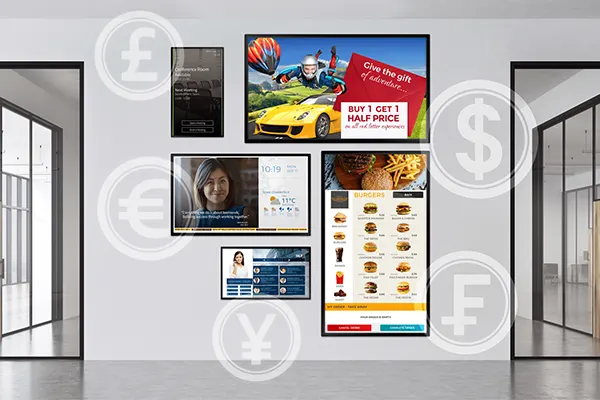
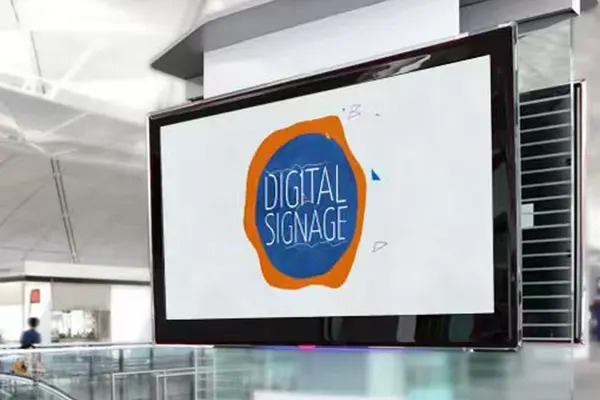
Digital signage systems are essentially modern communication tools that use digital screens—like LED, LCD, or projection displays—to deliver dynamic content such as videos, images, real-time data, and advertisements. Instead of relying on static posters or printed banners, businesses can instantly update their messaging across one or hundreds of screens from a centralized platform.
-
04-16 2026
How Do Digital Advertising Display Screens Work?
Digital advertising display screens work by combining advanced hardware, intelligent software, and network connectivity to deliver dynamic and engaging content. Unlike traditional static signage, these systems use components like screen panels, media players, and content management systems (CMS) to display and control content in real time. Businesses can easily update messages, schedule campaigns, and even personalize content based on audience data. With features such as automation, analytics, and interactive capabilities, digital displays not only capture attention but also provide measurable results. As technology evolves, innovations like AI-driven personalization and interactive touchscreens continue to make digital signage a powerful and flexible tool for modern advertising.
-
04-14 2026
Where Are Self-Service Kiosks Commonly Found?
What makes kiosks even more powerful today is their ability to integrate with payment systems, cloud databases, and AI-driven interfaces. They’re no longer just “machines”—they’re part of a broader digital ecosystem that connects physical spaces with digital convenience. And as consumer expectations shift toward speed and independence, kiosks are becoming less of a novelty and more of a necessity.
-
04-10 2026
What Is the Elevator Display?
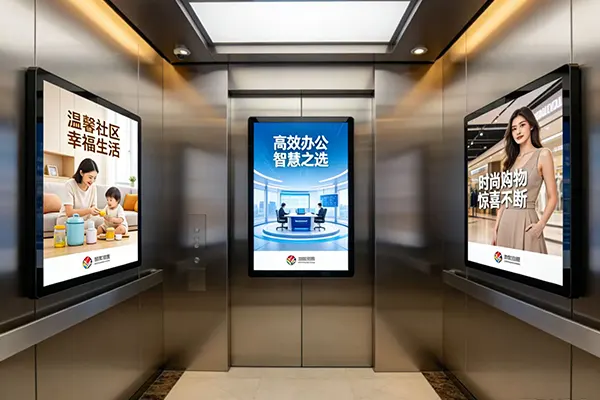
In today’s smart buildings, digital technology plays a key role in improving communication and user experience. One of the most overlooked yet highly effective tools is the elevator display. No longer limited to simple floor indicators, elevator displays have evolved into powerful digital signage systems that deliver real-time information, branding, and entertainment.
-
04-10 2026
How to Choose the Right Digital Signage Media Player?
A proper media player solves this by enabling centralized control. You can push updates instantly, schedule campaigns, and even tailor content based on location or time of day. Businesses using advanced signage systems often see higher engagement because content becomes dynamic and relevant rather than static.
-
04-09 2026
What is the Purpose of a Digital Kiosk?
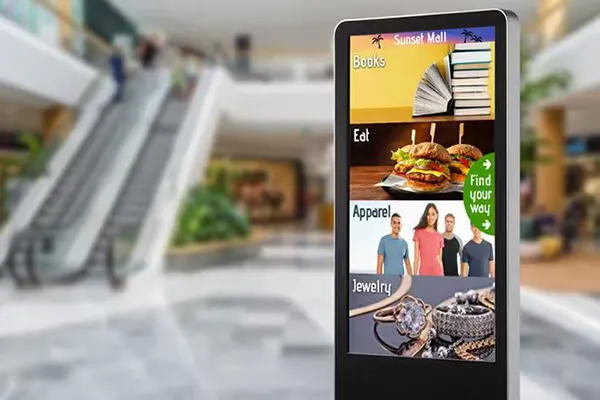
A digital kiosk is essentially a self-service interactive terminal that allows users to access information, perform transactions, or complete tasks without direct human assistance. Think of it as a bridge between the physical and digital worlds—a device that combines touchscreens, software, and connectivity to deliver services instantly. You’ve probably used one at a fast-food restaurant, an airport check-in counter, or even a shopping mall directory without giving it much thought.
-
04-07 2026
Why Digital Signage and Wayfinding Is a Game-Changer for Your Business?
Traditional wayfinding relies on static signs, arrows, and printed directories. But let’s be honest—those often fail when environments become complex or change frequently. Digital wayfinding systems solve this problem by offering real-time directions, searchable directories, and even personalized routes.