
What is smart digital signage?
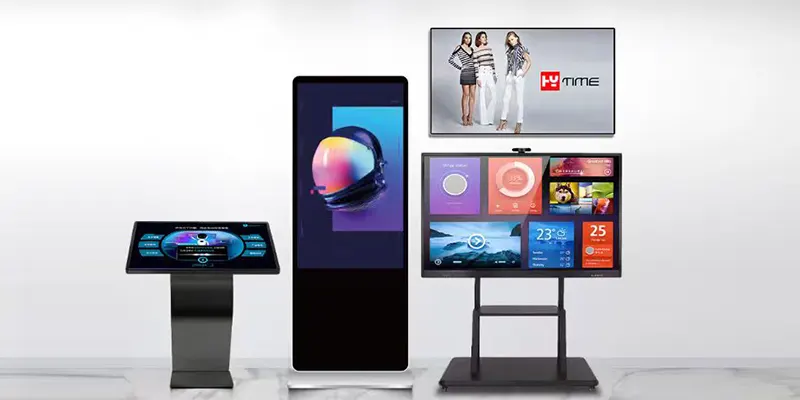
Smart digital signage is an advanced display system that uses digital screens, cloud technology, artificial intelligence, and interactive features to deliver dynamic content in real time. Unlike traditional printed advertisements or static displays, smart digital signage allows businesses to update and manage content remotely, improving communication efficiency and customer engagement.
Today, smart digital signage is widely used in retail stores, restaurants, hotels, transportation hubs, healthcare facilities, educational institutions, and corporate offices. It helps organizations display advertisements, announcements, menus, schedules, promotions, and interactive information more effectively.
1.Key Features of Smart Digital Signage
Real-Time Content Management
Smart digital signage enables users to update content instantly through cloud-based software. Businesses can control multiple screens from a centralized platform, reducing operational costs and improving efficiency.
Key advantages include:
Instant content updates
Remote device management
Scheduled content publishing
Multi-location synchronization
Interactive User Experience
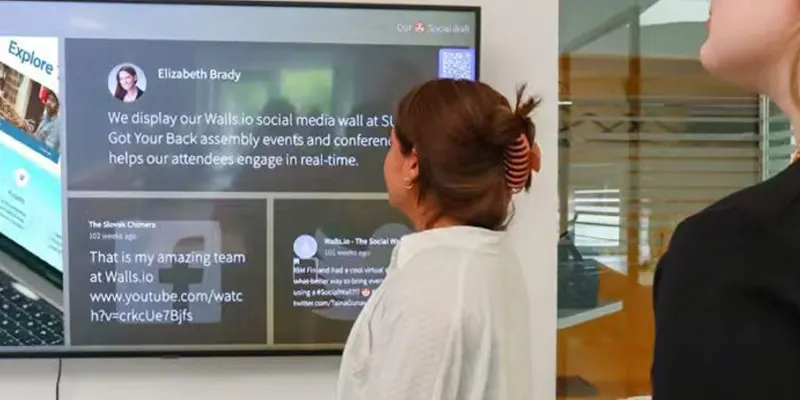
Modern digital signage systems often include touchscreens, motion sensors, QR codes, and AI-powered interaction features. These technologies improve customer engagement and create a more personalized experience.
Interactive functions may include:
Touch navigation
Self-service ordering
Interactive maps
Product recommendations
Customer feedback collection
2.Applications of Smart Digital Signage
Retail Industry
Retail stores use smart signage to promote products, display discounts, and improve the shopping experience. Dynamic advertisements can attract customer attention more effectively than traditional posters.
Common retail applications include:
Promotional displays
Digital price tags
Smart fitting rooms
Window advertising screens
Restaurants and Hospitality
Restaurants and hotels benefit from digital menu boards and information displays that improve operational efficiency and customer satisfaction.
Examples include:
Digital menus
Self-order kiosks
Hotel information screens
Event schedules
Corporate and Education Sectors
Companies and educational institutions use smart signage for internal communication, announcements, and scheduling.
Typical uses include:
Meeting room displays
Campus navigation
Employee communication
Emergency notifications
3.Benefits of Smart Digital Signage
Improved Communication Efficiency
Digital signage delivers information quickly and clearly. Businesses can instantly distribute important messages across multiple locations without printing new materials.
Enhanced Customer Engagement
Bright visuals, videos, and interactive content attract more attention and increase audience engagement. This can improve customer satisfaction and boost sales performance.
Cost and Time Savings
Although the initial investment may be higher, smart digital signage reduces long-term printing and labor costs. Automated scheduling also saves management time.
4.Future Trends in Smart Digital Signage
The future of smart digital signage is closely connected with artificial intelligence, big data, and Internet of Things (IoT) technologies. AI-powered systems can analyze customer behavior and automatically display personalized content.
Emerging trends include:
AI-driven advertising
Facial recognition technology
Voice interaction
Data analytics integration
Energy-efficient displays
As technology continues to evolve, smart digital signage will become more intelligent, interactive, and widely adopted across industries.
5.Conclusion
Smart digital signage is transforming the way businesses communicate with customers and employees. With real-time content management, interactive features, and AI-powered capabilities, it provides a modern and efficient communication solution for various industries.
If you are looking for high-quality smart digital signage solutions or would like to learn more about the latest display technologies, please feel free to contact us at any time. Our professional team is ready to help you choose the best solution for your business needs.
FAQ
What is the difference between traditional signage and smart digital signage?
Traditional signage uses printed materials that require manual replacement, while smart digital signage uses digital displays that can be updated remotely and instantly.
Can smart digital signage be managed remotely?
Yes. Most smart digital signage systems use cloud-based software that allows users to manage content remotely from any location.
Is smart digital signage suitable for small businesses?
Absolutely. Smart digital signage is scalable and can be customized for businesses of all sizes, including small shops and local restaurants.
What industries commonly use smart digital signage?
Retail, hospitality, healthcare, education, transportation, and corporate sectors are among the most common industries using smart digital signage.
Does smart digital signage support interactive features?
Yes. Many systems support touchscreens, QR codes, motion sensors, and AI-powered interactions to improve customer engagement.