
Before and After: How a Supermarket Brand Transformed with Retail Digital Screens
The Changing Face of Modern Supermarkets
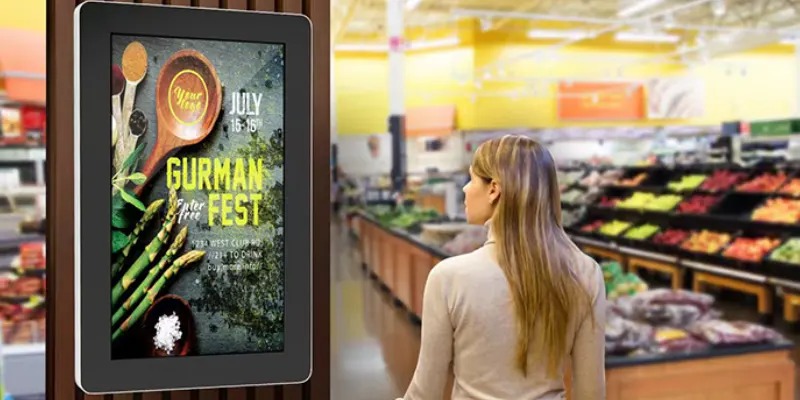
Modern supermarkets are changing rapidly as customer expectations continue to grow. Shoppers no longer want only low prices; they also expect convenience, fast service, and engaging in-store experiences. Traditional paper signs and static posters are becoming less effective because they cannot deliver real-time updates or capture attention like digital displays can.
Retail digital screens help supermarkets create a more modern and interactive shopping environment. Stores can instantly update promotions, highlight featured products, and guide customers through aisles more efficiently. This technology not only improves the customer experience but also helps supermarkets increase sales, reduce printing costs, and stay competitive in today’s fast-moving retail market.
The Supermarket’s Challenges Before Digital Transformation
Before introducing retail digital screens, the supermarket struggled with outdated communication methods and low customer engagement. Printed posters and paper price tags required constant manual updates, which often led to pricing errors and inconsistent promotions throughout the store. Customers sometimes became frustrated when advertised discounts did not match checkout prices, negatively affecting trust and satisfaction.
The store also found it difficult to attract attention to promotions and high-margin products. Static signage blended into the background, causing many shoppers to overlook special offers and impulse-buy opportunities. At the same time, employees spent too much time replacing signs and managing promotional materials instead of focusing on customer service. As nearby competitors adopted modern digital solutions, the supermarket realized it needed a faster, more engaging, and more efficient way to improve the shopping experience and stay competitive.
What Are Retail Digital Screens?
Types of Digital Screens
Supermarkets use different types of digital screens depending on location and purpose. Entrance displays grab attention as soon as customers enter, introducing promotions, seasonal campaigns, or loyalty programs. Shelf-edge screens provide product information and pricing directly at the point of decision, helping shoppers make faster choices. Checkout displays encourage impulse purchases while customers wait in line, turning waiting time into a sales opportunity.
Advantages Over Traditional Signage
Digital screens offer flexibility, speed, and accuracy. Promotions and pricing can be updated in real time, eliminating outdated or incorrect information. Stores can highlight overstocked items, seasonal offers, or flash sales instantly, without printing new signs. This reduces labor and material costs while making marketing more responsive and effective.
Integration with Technology
Modern digital signage can connect with inventory systems, loyalty apps, and marketing platforms. This integration allows stores to personalize promotions, track engagement, and optimize content placement. By combining data-driven insights with dynamic visuals, supermarkets can create a smarter, more efficient shopping experience that benefits both the business and the customer.
Planning the Supermarket’s Digital Upgrade
The supermarket’s digital transformation began with careful planning. Management analyzed customer traffic and identified high-traffic areas for screen placement, such as entrances, aisles, and checkout lanes. A clear content strategy was developed to ensure promotions were simple, visually appealing, and easy to understand.
The focus was also on operational efficiency. Centralized control allowed marketing teams to update content instantly across all locations, reducing the need for manual sign changes. Staff received training to manage screens effectively, ensuring the technology became a seamless part of daily store operations rather than an underused tool.
Why Digital Screens Influence Shopper Psychology

Digital screens capture attention more effectively than static signs because people are naturally drawn to movement, bright visuals, and changing content. They also influence impulse purchases by presenting appealing products, promotions, or short videos at key decision points, like checkout lanes or end caps.
Additionally, screens simplify the shopping experience by providing clear, immediate information, reducing frustration and helping customers navigate the store. Modern displays also build trust, as shoppers associate up-to-date, accurate signage with professionalism and reliability, enhancing the overall perception of the brand.
Conclusion
The supermarket’s transformation shows how retail digital screens can completely reshape both customer experience and store performance. What once relied on static, outdated signage has evolved into a dynamic, real-time communication system that improves navigation, boosts engagement, and increases sales.
Beyond visual appeal, digital screens bring real operational value by reducing manual work, improving pricing accuracy, and enabling faster marketing updates. More importantly, they help supermarkets stay competitive in a retail environment where customer expectations are constantly rising.
FAQs
1. What are retail digital screens in supermarkets?
Retail digital screens are electronic displays used inside supermarkets to show promotions, pricing, product information, videos, and advertisements in real time. They replace or enhance traditional printed signage.
2. How do retail digital screens improve supermarket sales?
Digital screens attract attention more effectively than static signs, helping supermarkets increase product visibility, encourage impulse purchases, and promote time-sensitive offers instantly.
3. Are retail digital screens systems expensive for supermarkets?
The upfront investment can be significant, but many supermarkets recover costs through increased sales, reduced printing expenses, improved operational efficiency, and stronger customer engagement.
4. Where are retail digital screens usually placed in supermarkets?
Common locations include store entrances, produce sections, end caps, refrigerated aisles, checkout areas, and shelf edges where customers frequently make purchasing decisions.
5. What is the future of retail digital screens in grocery stores?
Future trends include AI-driven personalization, electronic shelf labels, interactive kiosks, real-time analytics, and deeper integration with loyalty programs and inventory systems.