
Digital Signage Drives Advertising in Shopping Mall
Shopping malls have embraced this change not just to stay relevant, but to elevate their entire environment. Digital signage allows malls to create visually immersive spaces that feel modern and exciting. Instead of simply walking through a shopping area, visitors now experience a curated digital journey filled with vibrant visuals and interactive elements that enhance their overall perception of the mall.
How Digital Signage Enhances Advertising Effectiveness?
Capturing Attention with Dynamic Visuals
One of the biggest strengths of digital signage is its ability to grab attention instantly. Bright colors, motion graphics, and high-definition videos naturally draw the human eye. In a busy shopping mall filled with distractions, this ability to stand out is incredibly valuable.
Dynamic visuals not only attract attention but also hold it longer. When shoppers pause to watch a screen, they are more likely to absorb the message being presented. This increased engagement translates directly into higher brand awareness and better advertising outcomes.
Delivering Targeted and Timely Content
Digital signage enables advertisers to deliver highly targeted content based on specific factors such as time, location, and audience behavior. Morning shoppers might see promotions for coffee and breakfast deals, while evening visitors are shown dining or entertainment options.
This level of targeting ensures that advertisements remain relevant, which significantly increases their effectiveness. Instead of a one-size-fits-all approach, digital signage allows for tailored messaging that resonates with different segments of the audience throughout the day.
Enabling Real-Time Campaign Updates
Flexibility is another major advantage of digital signage. Advertisers can update content instantly without the need for printing or physical installation. This makes it easy to launch flash sales, promote limited-time offers, or respond to changing market conditions.
For example, a retailer can promote a sudden discount during slow hours to boost traffic. This real-time adaptability ensures that advertising remains agile and responsive, giving businesses a competitive edge in a fast-moving retail environment.
Improving ROI Through Data Insights
Modern digital signage systems are equipped with analytics tools that provide valuable insights into consumer behavior. Metrics such as dwell time, engagement rates, and interaction levels help advertisers understand what works and what doesn't.
These insights allow businesses to refine their strategies and optimize campaigns for better performance. Instead of relying on guesswork, advertisers can make data-driven decisions that maximize their return on investment and improve overall effectiveness.

Types of Digital Signage Transforming Mall Advertising
Large-Scale LED Video Walls
LED video walls are among the most striking forms of digital signage in shopping malls. Positioned in high-traffic areas like entrances and atriums, these massive displays deliver high-impact visuals that are impossible to ignore.
Their size and brightness make them ideal for brand campaigns and major promotions. They create a sense of spectacle that enhances the mall’s atmosphere while providing advertisers with unparalleled visibility.
Interactive Touchscreen Kiosks
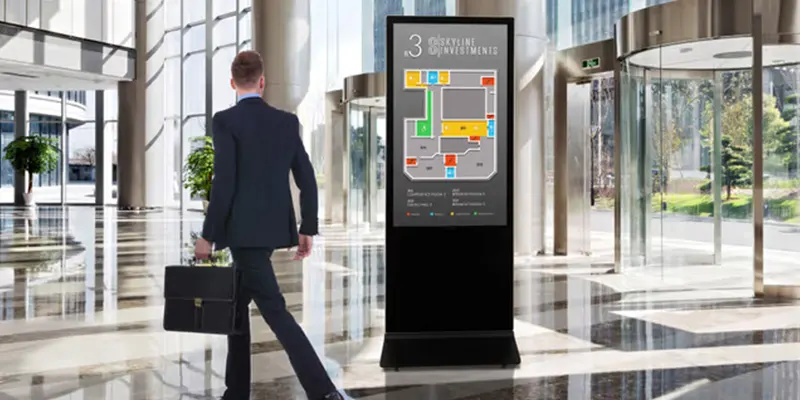
Interactive kiosks combine functionality with advertising, making them a powerful tool in shopping malls. Shoppers can use these touchscreens to navigate the mall, search for stores, and explore promotions.
This interactive element increases engagement by encouraging users to actively participate rather than passively observe. It also provides valuable data on user preferences, which can be used to improve future campaigns.
In-Store Digital Displays and Menu Boards
Inside individual stores, digital displays play a crucial role in influencing purchasing decisions. High-definition screens showcase products in a visually appealing way, often using videos and animations to highlight features.
In food courts, digital menu boards make it easy to update prices and promotions while presenting items in an appetizing manner. This not only improves efficiency but also enhances the overall customer experience.
Innovative Formats Like Floor and Transparent Displays
Beyond traditional screens, malls are experimenting with innovative formats such as LED floor displays and transparent screens. These unique installations create immersive experiences that capture attention in unexpected ways.
For example, a floor display might react to footsteps, creating an interactive and playful environment. Transparent displays, on the other hand, blend digital content with physical products, offering a futuristic shopping experience that leaves a lasting impression.
The Impact of Digital Signage on Consumer Behavior
Driving Impulse Purchases
Digital signage has a powerful influence on consumer decision-making, particularly when it comes to impulse buying. Eye-catching visuals and limited-time offers create a sense of urgency that encourages shoppers to act quickly.
When a promotion is displayed at the right moment, it can easily turn a casual browser into a buyer. This ability to influence spontaneous decisions makes digital signage an incredibly effective sales tool.
Enhancing Navigation and Convenience
Large shopping malls can be overwhelming, but digital signage helps simplify the experience. Interactive directories and wayfinding screens guide shoppers to their desired locations quickly and efficiently.
This convenience reduces frustration and improves overall satisfaction. When visitors can easily find what they’re looking for, they are more likely to enjoy their time in the mall and explore additional stores.
Increasing Dwell Time and Engagement
Digital displays encourage shoppers to pause, watch, and interact with content. This increased dwell time is crucial because the longer someone stays in a mall, the higher the likelihood they will make a purchase.
Interactive features, in particular, create deeper engagement by involving users directly. Whether it’s browsing products or playing a branded game, these experiences make shopping more enjoyable and memorable.
Strengthening Brand Recall and Loyalty
Dynamic and visually engaging content is more memorable than static advertisements. Digital signage helps brands leave a lasting impression on consumers, making it easier for them to recall products and promotions later.
Over time, repeated exposure builds familiarity and trust. This strengthens brand loyalty and increases the chances of repeat purchases, giving businesses a long-term advantage.
Conclusion
Digital signage has transformed shopping malls into dynamic, interactive environments where advertising is more engaging and effective than ever before. By combining technology, creativity, and data-driven strategies, it enables businesses to connect with consumers in meaningful ways. From driving impulse purchases to enhancing navigation and brand recall, its impact is undeniable.
As innovation continues to push boundaries, digital signage will only become more powerful. Malls that embrace these advancements will not only attract more visitors but also create experiences that keep them coming back.
FAQs
1. What makes digital signage effective in shopping malls?
Its ability to deliver dynamic, engaging, and real-time content makes it highly effective in capturing attention and influencing consumer behavior.
2. How does digital signage improve customer experience?
It provides interactive navigation, engaging visuals, and relevant promotions, making shopping more convenient and enjoyable.
3. Is digital signage suitable for small retailers?
Yes, as costs decrease, smaller retailers can adopt digital signage to enhance visibility and compete more effectively.
4. What role does AI play in digital signage?
AI enables personalized content delivery, improving relevance and increasing engagement with targeted audiences.
5. What are the future trends in digital signage?
Key trends include AI-driven personalization, augmented reality experiences, and more immersive, interactive display technologies.