
How MediCarePlus Clinics Upgraded Their Customer Experience with Digital Signage for Doctors’ Offices
Walk into any modern healthcare facility today, and you'll notice something immediately—patients expect more than just medical treatment. They want clarity, efficiency, and comfort. Healthcare is no longer just about diagnosing illnesses; it's about delivering a seamless experience from the moment a patient walks through the door. MediCarePlus Clinics recognized this shift early and understood that patient satisfaction directly impacts retention, reputation, and even revenue.
Think about it like this: waiting in a doctor's office without information feels like being stuck at an airport with no departure board. You don't know what's happening, how long it will take, or what to expect next. That uncertainty creates stress. MediCarePlus wanted to eliminate that feeling entirely by introducing digital signage solutions tailored for medical environments.
The Rise of Digital Signage in Medical Facilities
Digital signage has rapidly evolved from simple advertising screens into intelligent communication hubs. In healthcare settings, these displays serve multiple purposes—informing, educating, guiding, and even calming patients. Clinics across the U.S. have increasingly adopted digital signage to streamline operations and improve patient engagement.
MediCarePlus Clinics saw an opportunity to transform their waiting rooms and hallways into interactive, informative spaces. Instead of static posters and outdated bulletin boards, they envisioned dynamic screens that could adapt in real time. This shift wasn't just about technology—it was about reimagining how patients experience healthcare.

Problems Faced by MediCarePlus Clinics
Outdated Communication Methods
Before the upgrade, MediCarePlus relied heavily on printed materials and verbal communication. Appointment delays were announced manually, and health education content was limited to brochures that most patients ignored. Staff members were constantly interrupted by patients asking the same questions: “How much longer?” or “Where do I go next?”
This system wasn't just inefficient—it created unnecessary stress for both staff and patients. Information gaps led to confusion, and outdated materials failed to engage a modern audience accustomed to digital interaction.
Long Wait Times and Patient Frustration
Even when wait times were reasonable, they often felt longer due to a lack of communication. Patients sitting idle with no updates tend to perceive time differently. MediCarePlus noticed a pattern: dissatisfaction wasn’t always about actual delays—it was about uncertainty and lack of transparency.
This insight became the turning point. The clinics realized they didn't just need to reduce wait times—they needed to improve how those wait times were experienced.
What Is Digital Signage for Doctors'Offices?
Key Components of a Digital Signage System
Digital signage in healthcare is more than just screens on walls. It's a combination of hardware, software, and content management systems working together. At MediCarePlus, the system included high-definition displays, cloud-based content management, and integration with their appointment scheduling software.
This setup allowed staff to update information instantly across multiple locations. Whether it was a delay, a room change, or a health alert, the system ensured patients were always informed.
Types of Displays Used in Clinics
MediCarePlus implemented a mix of display types to serve different purposes:
Waiting room screens for general information and entertainment
Queue management displays showing patient flow updates
Directional signage for easy navigation
Exam room screens for personalized patient education
Each screen had a clear role, ensuring the system wasn't just visually appealing but also highly functional.

Planning the Digital Signage Upgrade
Identifying Patient Pain Points
Before installing anything, MediCarePlus conducted surveys and gathered feedback. Patients consistently mentioned confusion, boredom, and lack of updates as key issues. Staff highlighted workflow interruptions caused by repetitive questions.
This data-driven approach ensured the solution addressed real problems, not assumed ones. It's a step many organizations skip, but it made all the difference here.
Setting Clear Goals for Implementation
The clinics defined specific objectives:
Improve patient satisfaction scores
Reduce perceived wait times
Enhance communication efficiency
Provide valuable health education
These goals guided every decision, from screen placement to content design.
Implementation Process at MediCarePlus
Hardware Installation and Setup
The installation process was carefully planned to avoid disrupting daily operations. Screens were strategically placed in high-visibility areas, ensuring maximum impact without overwhelming the space. The design focused on clean aesthetics and easy readability, critical in a healthcare environment.
Technicians worked after hours to complete installations, minimizing inconvenience. Within weeks, the clinics were fully equipped with a modern digital signage network.
Content Strategy Development
Technology alone doesn't solve problems—content does. MediCarePlus invested heavily in creating engaging, relevant content. They developed a mix of informational, educational, and calming visuals, including wellness tips, preventive care advice, and clinic updates.
The tone was intentionally friendly and reassuring, helping to create a more relaxed atmosphere for patients.
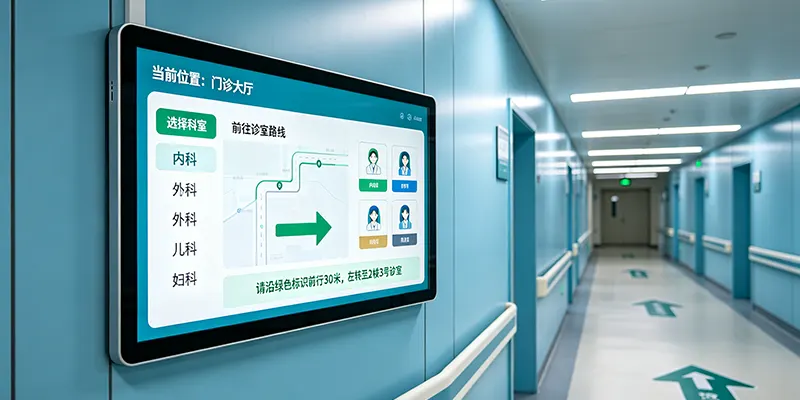
Features of the New Digital Signage System
Real-Time Appointment Updates
One of the most impactful features was real-time scheduling integration. Patients could see updates about delays, room assignments, and queue status instantly. This transparency significantly reduced anxiety and improved trust.
Health Education Content
Instead of outdated brochures, patients now engage with dynamic health content. Topics range from seasonal flu prevention to chronic disease management. The visuals are easy to understand, making complex medical information more accessible.
Wayfinding and Navigation Assistance
Navigating a clinic can be confusing, especially for first-time visitors. Digital signage solved this with clear, visual directions. Patients no longer needed to ask for help, reducing staff workload and improving overall efficiency.
Results and Measurable Impact
Improved Patient Satisfaction Scores
After implementing digital signage, MediCarePlus saw a noticeable increase in patient satisfaction. Surveys indicated that patients felt more informed and less stressed during their visits.
Reduced Perceived Wait Times
Even when actual wait times remained the same, patients reported feeling like they waited less. This psychological shift had a powerful effect on overall experience.
Comparison: Before vs After Digital Signage
| Aspect | Before Digital Signage | After Digital Signage |
|---|---|---|
| Communication | Manual and inconsistent | Real-time and automated |
| Patient Engagement | Low | High |
| Wait Time Perception | Long and frustrating | Shorter and manageable |
| Staff Workload | High due to repeated questions | Reduced significantly |
| Navigation | Confusing | Clear and guided |
Cost vs Value Analysis
At first glance, digital signage may seem like a significant investment. However, MediCarePlus quickly realized the long-term value far outweighed the initial costs. Reduced staff interruptions, improved patient retention, and enhanced brand perception all contributed to a strong return on investment.
It's similar to upgrading from paper maps to GPS navigation—you don't just save time; you improve the entire journey.
Conclusion
MediCarePlus Clinics transformed their patient experience by embracing digital signage, turning confusion into clarity and frustration into comfort. This wasn't just a technology upgrade—it was a strategic move to align healthcare delivery with modern expectations. By focusing on communication, transparency, and engagement, they created an environment where patients feel informed and valued.

FAQs
1. What is digital signage in a doctor's office?
Digital signage refers to screens used to display real-time information, educational content, and navigation assistance within a medical facility.
2. How does digital signage improve patient experience?
It reduces uncertainty, provides updates, and keeps patients engaged, making wait times feel shorter and visits more organized.
3. Is digital signage expensive for small clinics?
Costs vary, but scalable solutions are available, making it accessible even for smaller practices.
4. Can digital signage integrate with appointment systems?
Yes, modern systems can sync with scheduling software to provide real-time updates.
5. What type of content works best on medical digital signage?
Health tips, appointment updates, directions, and calming visuals are highly effective.