
How We Helped a Real Estate Developer in Singapore Solve Low Visibility with Large Outdoor Digital Signage?
Singapore’s real estate market is fast-paced and highly competitive. Developers are constantly competing for attention in crowded urban spaces where consumers are exposed to endless advertising. In this environment, simply having a good property is not enough—you need to stand out visually.
The developer we worked with faced a classic problem: strong project fundamentals but weak visibility. Their marketing relied heavily on static billboards and printed materials, which struggled to capture attention in a city filled with digital distractions. People passed by without noticing, and engagement remained low.
Modern audiences expect more. They are used to dynamic visuals, quick information, and engaging content. Static signage often blends into the background, making it difficult for brands to create a lasting impression.

1. Why Digital Signage Was the Solution?
Digital displays stand out because they use motion, light, and changing content. This naturally draws attention and increases recall. Unlike static billboards, they can display multiple messages, update instantly, and adapt to different times of day or campaigns.
2. The Client's Problem
Before implementing the solution, the developer struggled with both visibility and engagement.
Low Engagement: Passersby were not interacting with the existing signage. There was no “stop-and-look” moment, which is critical for outdoor advertising success.
Weak Brand Presence: Even in nearby high-traffic areas, the project lacked visibility compared to competitors using digital displays. This made it difficult to build awareness and attract potential buyers.
3. Our Strategy
We approached the problem with a combination of data, design, and technology.
Location Optimization: We analyzed traffic flow, viewing angles, and surrounding structures to identify the best placement for maximum exposure. Positioning the display correctly ensured it would capture attention from both pedestrians and drivers.
Audience Analysis: Understanding who passed by the site helped us tailor the messaging. Different audiences require different communication styles, and aligning content with behavior improved engagement significantly.
4. The Customized Digital Signage Solution
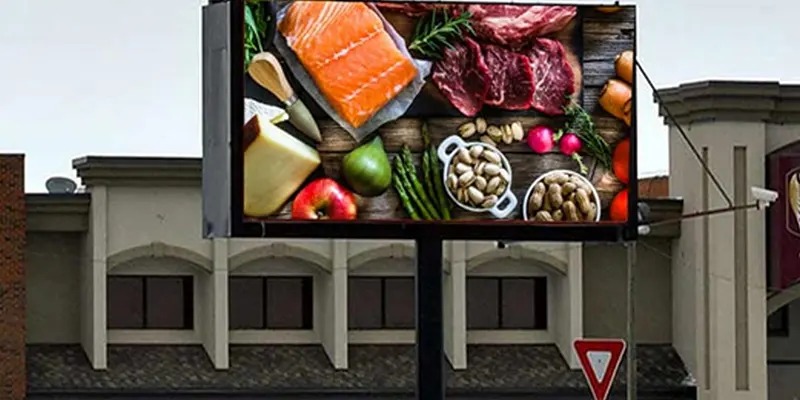
The core of the solution was a large-format outdoor LED display designed for high visibility.
Screen Technology: We selected a high-brightness LED screen capable of delivering clear visuals even under direct sunlight. The goal was to ensure the content remained sharp and noticeable at all times.
Brightness & Durability: Outdoor conditions in Singapore require robust solutions. The display was designed to withstand heat, humidity, and rain while maintaining consistent performance.
5. Content Strategy
Technology alone is not enough—content drives results.
Clear Messaging: We focused on short, impactful messages with strong visuals. Outdoor audiences have limited time, so clarity was essential.
Dynamic Content: Using a cloud-based system, the client could update content in real time. This allowed for fresh campaigns, promotional updates, and time-based messaging, keeping the display relevant and engaging.
6. Implementation Process
Turning strategy into reality required careful execution.
Installation Challenges and Solutions: Installing a large outdoor display in an urban environment comes with challenges—structural considerations, power supply, and regulatory compliance. Our team coordinated closely with local authorities and engineers to ensure a smooth installation process.
Integration with Cloud-Based CMS: We implemented a cloud-based content management system, allowing the client to update content remotely. This eliminated delays and ensured that all messaging remained accurate and up-to-date.
7. Key Lessons Learned from the Project
Every project offers valuable insights, and this one was no exception.
Importance of Location and Visibility: Even the best technology cannot compensate for poor placement. Strategic positioning is essential for maximizing impact.
Content Matters More Than Technology: Technology attracts attention, but content sustains it. A well-designed message can outperform even the most advanced hardware.
8. Conclusion
Helping this real estate developer overcome low visibility wasn’t about adding another marketing channel—it was about redefining how they communicated with their audience. By combining strategic placement, high-performance technology, and compelling content, we turned a struggling site into a high-impact marketing asset.
The lesson is clear: in today’s competitive landscape, standing still is not an option. To be seen, you need to move, adapt, and engage—and outdoor digital signage makes that possible.
FAQs
1. Why is digital signage more effective than traditional billboards?
Digital signage uses motion, brightness, and dynamic content to capture attention, making it significantly more engaging than static displays.
2. How much does outdoor digital signage cost in Singapore?
Costs vary depending on size, resolution, and features, typically ranging from a few thousand to over $10,000 for advanced LED displays.
3. Can digital signage improve real estate sales?
Yes, by increasing visibility and engagement, digital signage can generate more leads and accelerate the sales process.
4. What factors are important for outdoor digital signage?
Key factors include location, brightness, weatherproofing, and content strategy.
5. Is digital signage suitable for small real estate developers?
Absolutely. Scalable solutions make it accessible for projects of all sizes, offering strong ROI when implemented correctly.