
Wayfinder Digital Signage Drives Improved Accessibility in Public Spaces
What is Wayfinder Digital Signage?
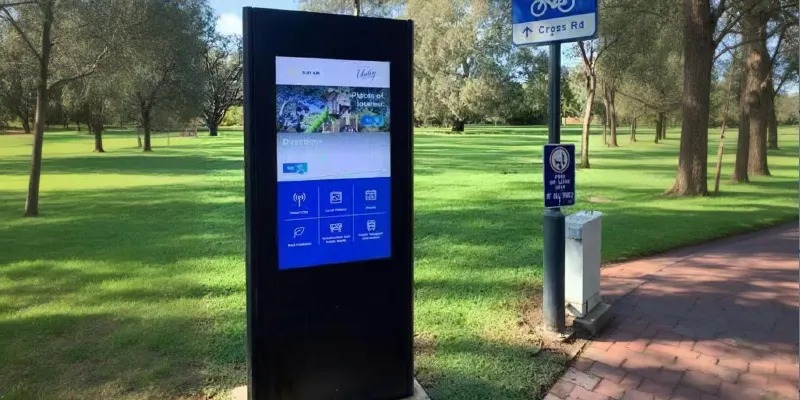
Wayfinder digital signage is a modern navigation solution designed to help people find their way through large and complex public spaces. Commonly used in airports, hospitals, universities, shopping malls, and government buildings, these systems provide interactive maps, real-time directions, and location information through digital displays. Unlike traditional static signs, wayfinding displays can be updated instantly and offer more accurate guidance to visitors.By combining touchscreen technology, digital maps, and user-friendly interfaces, wayfinder digital signage makes navigation faster and easier for everyone. It reduces confusion, improves visitor experiences, and supports accessibility by offering features such as multilingual content, larger text options, and accessible route guidance. As public spaces continue to grow in size and complexity, digital wayfinding has become an essential tool for improving convenience and accessibility.
How Digital Wayfinding Has Evolved?
The evolution from static directories to interactive digital systems mirrors the broader digital transformation happening across industries. Early wayfinding signs relied on printed maps and fixed directions. Modern solutions now integrate cloud management, touchscreen interfaces, accessibility tools, and mobile connectivity. Facilities can instantly update routes, room locations, or emergency information without replacing physical signage. This flexibility has made digital wayfinding an attractive investment for organizations seeking better visitor experiences.
Why Accessibility Matters in Public Spaces?
Accessibility is essential for creating public spaces that everyone can use comfortably and independently. People with disabilities, elderly visitors, parents with strollers, and international travelers often face navigation challenges in large facilities. Clear and accessible wayfinding helps remove these barriers and improves the overall visitor experience.By supporting diverse user needs, accessible environments become more welcoming and inclusive. Investing in accessibility not only improves convenience but also helps organizations provide better service and meet modern accessibility standards.
How Wayfinder Digital Signage Improves Accessibility?
true value of wayfinder digital signage lies in its ability to transform navigation into an inclusive experience. Traditional signs deliver the same information to every visitor regardless of individual needs. Digital systems, on the other hand, adapt to different users and provide personalized guidance. This adaptability significantly improves accessibility across public environments.Modern wayfinding displays can present information through visual, auditory, and interactive formats. Users can zoom maps, select preferred languages, identify accessible routes, or receive voice guidance. Some systems even connect with smartphones, allowing visitors to continue navigation after leaving the kiosk. This combination of flexibility and personalization helps ensure that no visitor feels excluded or overwhelmed.
Applications Across Public Spaces
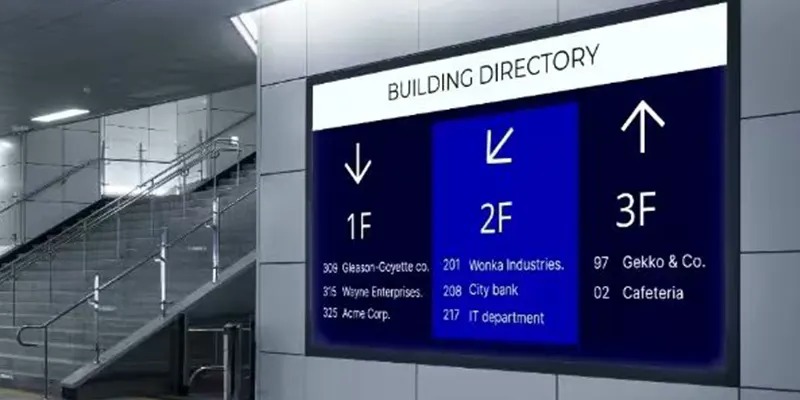
One reason wayfinder digital signage continues gaining popularity is its versatility. Nearly every public environment can benefit from improved navigation and accessibility. Different facilities face unique challenges, but digital wayfinding consistently helps simplify movement and enhance user experiences.
From healthcare campuses to transportation centers, these systems reduce confusion while supporting independence. Organizations also benefit because staff spend less time providing directions and more time focusing on core responsibilities.
Transportation Hubs
Airports, train stations, and bus terminals often overwhelm visitors with their size and complexity. Digital wayfinding helps travelers locate gates, platforms, ticket counters, and amenities quickly. Multilingual support and accessibility routing make transportation hubs more welcoming for all users.
Hospitals and Healthcare Facilities
Healthcare facilities are among the most challenging environments to navigate. Patients and visitors frequently experience stress, making clear guidance especially important. Digital wayfinding helps users find departments, clinics, elevators, and services efficiently, reducing anxiety and improving overall satisfaction.
Educational Campuses
Universities and schools often consist of multiple buildings spread across large areas. Students, faculty, and visitors benefit from interactive maps that simplify navigation. Wayfinding systems can also display event schedules, announcements, and campus updates.
Government Buildings
Government facilities serve diverse populations and often involve complex procedures. Accessible wayfinding solutions help visitors locate offices, service counters, and meeting rooms with greater ease. This improves public service delivery while reducing congestion and confusion.
Conclusion
Wayfinder digital signage is transforming public spaces by making navigation more accessible, inclusive, and efficient. Traditional signs often struggle to meet the needs of diverse populations, while digital wayfinding systems provide personalized guidance through interactive maps, multilingual support, voice assistance, and real-time updates. These capabilities empower visitors to move independently and confidently through complex environments.As accessibility expectations continue rising, organizations that invest in modern wayfinding solutions position themselves to deliver superior experiences while improving operational efficiency. From hospitals and airports to universities and government facilities, digital wayfinding creates environments that are easier to understand, safer to navigate, and more welcoming for everyone.
FAQ
1. What is wayfinder digital signage?
Wayfinder digital signage is an interactive navigation system that uses digital displays, maps, and software to help people locate destinations and navigate public spaces efficiently.
2. How does digital wayfinding improve accessibility?
It improves accessibility through features such as multilingual support, voice guidance, interactive maps, adjustable text sizes, and accessible route planning.
3. Where is wayfinder digital signage commonly used?
It is commonly used in airports, hospitals, universities, shopping centers, government buildings, transportation hubs, and large public facilities.
4. Can wayfinding systems integrate with smartphones?
Yes. Many modern systems allow users to scan QR codes or connect through mobile apps to receive directions directly on their smartphones.
5. Why are organizations investing in digital wayfinding?
Organizations invest in digital wayfinding to improve visitor experiences, reduce confusion, support accessibility compliance, enhance safety, and increase operational efficiency.