
Digital Signage Systems and How They Help Your Business
Digital signage systems are essentially modern communication tools that use digital screens—like LED, LCD, or projection displays—to deliver dynamic content such as videos, images, real-time data, and advertisements. Instead of relying on static posters or printed banners, businesses can instantly update their messaging across one or hundreds of screens from a centralized platform.
Think of it like turning your physical space into a living, breathing marketing channel. A restaurant can update its menu in seconds. A retail store can promote flash sales in real time. A corporate office can share internal announcements without sending dozens of emails. It’s fast, flexible, and incredibly powerful.
What makes digital signage truly stand out is its ability to combine visual storytelling with real-time adaptability. Unlike traditional signage, which becomes outdated the moment it’s printed, digital signage evolves with your business. This adaptability is exactly why it’s becoming a must-have tool rather than a luxury.

1. Types of Digital Signage Systems
Not all digital signage systems are created equal. Businesses can choose from several types depending on their goals and environment.
Some of the most common include:
Video walls for large-scale visual impact
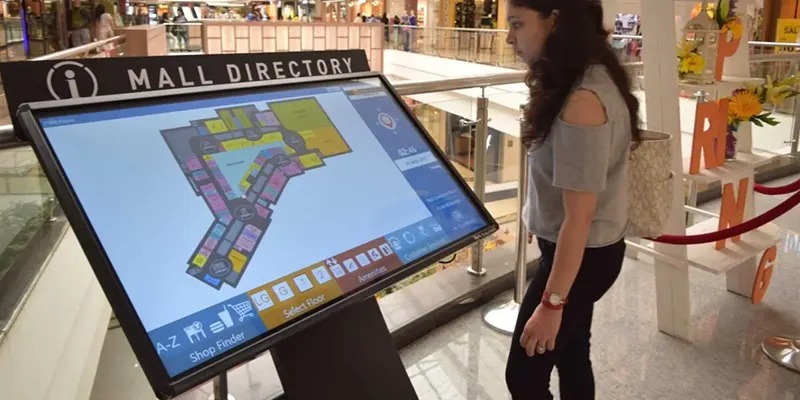
Interactive kiosks for customer engagement
Digital menu boards in restaurants
Wayfinding displays in malls or hospitals
Each type serves a different purpose, but they all share the same goal: capturing attention and delivering information effectively. As technology evolves, these systems are becoming more immersive, often integrating touchscreens, sensors, and even AI-driven personalization.
2. How Digital Signage Systems Work?
2.1 Hardware Components
At the heart of every digital signage system is the hardware. This typically includes display screens, media players, and mounting solutions. The screens are designed for long operational hours and high brightness, ensuring visibility even in busy or brightly lit environments.
Media players act as the brain behind the display. They store and process the content, ensuring everything runs smoothly. In 2025, the digital signage media player market alone is valued at over $2.13 billion, reflecting how critical this component has become in modern systems .
The hardware setup might sound complex, but it’s actually designed for scalability. Whether you’re running one screen or a global network, the system can grow with your business without requiring a complete overhaul.
2.2 Software and Content Management
If hardware is the body, then software is the soul of digital signage. Content Management Systems (CMS) allow businesses to control what appears on screens, when it appears, and where it’s displayed.
Cloud-based platforms are especially popular because they enable remote management. Imagine updating hundreds of screens across different cities from your laptop—that’s the power of modern digital signage software.
Beyond scheduling, these systems also provide analytics. You can track engagement, measure performance, and optimize content based on real data. This turns digital signage into not just a display tool, but a data-driven marketing engine.
3. Why Digital Signage Is Growing Rapidly?
3.1 Market Growth and Industry Trends
Digital signage is no longer a niche technology—it’s a booming global industry. The market is projected to reach nearly $45 billion by 2030, showing just how quickly businesses are adopting this solution .
Several factors are driving this growth. First, businesses are under pressure to deliver more engaging customer experiences. Second, digital transformation is accelerating across industries. And third, the cost of technology is decreasing, making digital signage more accessible than ever.
North America alone holds over 30% of the market share, highlighting how widely adopted these systems have become in developed economies .
3.2 Consumer Behavior Shift
Let’s be honest—people today are glued to screens. Whether it’s smartphones, TVs, or digital billboards, visual content dominates attention. Digital signage taps into this behavior perfectly.
Studies show that digital displays generate 400% more views than static signage and achieve an 83% recall rate . That means your message isn’t just seen—it’s remembered.
Even more compelling? Around 76% of consumers take action after seeing digital signage content . That’s not just engagement—it’s conversion.
4. Key Benefits of Digital Signage for Businesses
4.1 Increased Customer Engagement
Imagine walking past a store window. Would you notice a static poster or a vibrant digital display with motion, color, and dynamic content? The answer is obvious.
Digital signage grabs attention instantly. It uses movement, brightness, and interactivity to draw people in. This is why 63% of people say digital signage catches their attention .
But it doesn’t stop there. Interactive signage takes engagement to another level by allowing customers to browse products, check availability, or even customize their orders. It transforms passive viewers into active participants.
4.2 Boost in Sales and Revenue
Here’s where things get interesting—digital signage doesn’t just look good; it drives results.
Retailers report an average 32% increase in sales for products promoted through digital signage . On top of that, customers are 19% more likely to make impulse purchases when influenced by digital displays .
Think of it as a silent salesperson that works 24/7. It highlights promotions, upsells products, and influences decisions right at the point of purchase.
4.3 Improved Brand Awareness
Consistency is key in branding, and digital signage helps you maintain it effortlessly. You can display consistent visuals, colors, and messaging across all locations, reinforcing your brand identity.
Because digital signage is dynamic, it also allows you to experiment with storytelling. You can showcase behind-the-scenes content, customer testimonials, or live social media feeds—all of which make your brand more relatable and memorable.
4.4 Better Internal Communication
Digital signage isn’t just for customers—it’s also a powerful internal tool. Companies use it to share announcements, KPIs, and training materials with employees.
In fact, businesses using digital signage report up to a 22% increase in workplace engagement and a 20% improvement in productivity . That’s a significant boost for something as simple as better communication.
5. Digital Signage vs Traditional Signage
5.1 Flexibility and Real-Time Updates
Traditional signage is static. Once it’s printed, it’s fixed. If something changes, you need to reprint, redistribute, and reinstall.
Digital signage flips this model completely. Updates happen instantly. Prices change? Update it. New promotion? Push it live in seconds. This flexibility is invaluable in fast-paced industries like retail and hospitality.
5.2 Cost Efficiency Over Time
At first glance, digital signage might seem expensive. But over time, it actually saves money.
No printing costs. No shipping. No manual updates. Everything is handled digitally, reducing operational expenses significantly.
6. Industries That Benefit Most from Digital Signage
6.1 Retail and Restaurants
Retailers use digital signage to promote products, highlight deals, and enhance the shopping experience. Restaurants rely on digital menu boards to update prices and showcase items visually.
This is why 80% of quick-service restaurants have adopted digital signage .
6.2 Corporate and Offices
In corporate environments, digital signage improves internal communication and creates a more connected workplace. It’s used for dashboards, announcements, and even employee recognition.
6.3 Healthcare and Education
Hospitals use digital signage for wayfinding and patient communication, while schools use it for announcements and emergency alerts. These systems make information more accessible and easier to manage.
7. Key Features to Look for in a Digital Signage System
7.1 Cloud-Based Management
Cloud systems allow you to control your signage network remotely. This is essential for businesses with multiple locations.
7.2 Interactive Capabilities
Touchscreens and sensors enable interactive experiences, making signage more engaging and effective.
8. Conclusion
Digital signage systems are no longer just a modern upgrade—they’re a strategic business tool. From boosting sales and improving customer engagement to enhancing internal communication, the benefits are undeniable.
As consumer expectations continue to evolve, businesses that embrace digital signage will have a clear advantage. It’s not just about displaying content—it’s about creating experiences, building connections, and driving results.
9. FAQs
1. What is a digital signage system used for?
Digital signage systems are used for advertising, information display, customer engagement, and internal communication across various industries.
2. Is digital signage expensive to implement?
Initial costs can be higher, but long-term savings from reduced printing and increased efficiency often outweigh the investment.
3. Can small businesses use digital signage?
Absolutely. Many affordable solutions are available, making it accessible even for small businesses.
4. How often should content be updated?
Ideally, content should be refreshed regularly—weekly or even daily depending on your business needs.
5. Does digital signage really increase sales?
Yes. Studies show it can increase sales by up to 32% and significantly boost impulse purchases.