
How Cloud-Based Digital Signage Is Reshaping Retail Communication in 2026?
In an era where shoppers expect fresh and relevant information at every turn, cloud-based digital signage is quickly becoming a standard tool for retailers looking to stay competitive. Unlike traditional static signs, these systems use internet-connected screens and cloud platforms to deliver up-to-date content instantly across multiple locations. As consumer behavior continues to evolve, many stores are turning to this technology to improve engagement, streamline operations, and respond rapidly to changing market conditions.
1. What Cloud-Based Digital Signage Is and Its Main Advantages?
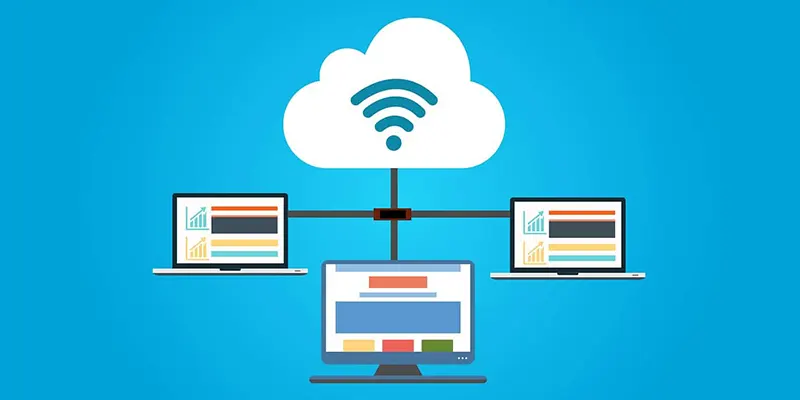
Cloud-based digital signage refers to digital screens managed through online platforms rather than local servers. This approach includes LCD displays, large LED walls, and interactive touch panels connected to a central cloud system. Retailers benefit from remote content management, automatic updates, easy scalability, and built-in analytics. Recent industry reports indicate that over 60% of new digital signage deployments now choose cloud solutions due to their flexibility and lower long-term costs compared to on-premise systems.

2. Why Traditional Store Signage Falls Short Today?
Conventional paper and printed signs present several limitations in fast-paced retail environments. Updating promotions or product information requires physical labor in every store, often resulting in delays and inconsistencies. Static displays cannot adapt to real-time events such as flash sales or inventory changes. Additionally, tracking how customers interact with these signs is nearly impossible. These challenges have pushed many retailers to seek more dynamic and manageable alternatives.
3. Growing Adoption Trends of Cloud-Based Digital Signage in Retail
Retailers across various sectors are increasingly adopting cloud-based digital signage to modernize their in-store communication. Market data shows strong growth in this area, driven by the need for centralized control and real-time responsiveness. Many chains now use cloud platforms to coordinate messaging across dozens or even hundreds of locations from one dashboard. This shift has been accelerated by improvements in internet reliability and the demand for more engaging visual experiences that can be updated within minutes rather than days.
4. Important Factors Retailers Consider When Choosing Cloud Digital Signage
Selecting the right cloud-based digital signage solution involves evaluating screen quality, platform reliability, and integration capabilities with existing store systems. Retailers pay close attention to security features, ease of content creation, and mobile management options. Successful implementations typically include clear content strategies and staff training. Experts recommend starting with a small-scale test before expanding across the entire chain to ensure smooth operation and maximum return.
5. Measurable Benefits Retailers Gain from Cloud-Based Digital Signage
Studies show that well-implemented cloud digital signage can significantly boost customer engagement and store performance. Reports suggest potential increases in foot traffic and sales when dynamic content is used effectively. Beyond sales impact, retailers benefit from reduced printing expenses, faster promotion deployment, and valuable insights from screen performance analytics. These advantages make cloud-based systems an attractive option for businesses aiming to optimize both customer experience and operational efficiency.
Conclusion
Cloud-based digital signage is playing an increasingly important role in how retailers connect with shoppers inside their stores. By offering flexibility, real-time control, and data-driven insights, this technology helps bridge the gap between traditional retail and modern consumer expectations. As cloud technology continues to advance, more stores are expected to embrace these solutions to remain relevant and competitive in the coming years.
FAQ
1. What is cloud based digital signage?
Digital screens managed remotely through cloud platforms for real-time content updates across stores.
2. How does it differ from traditional signage?
It supports instant remote changes, video, and analytics instead of fixed printed signs.
3. What are the main implementation steps?
Assessment, cloud platform selection, hardware installation, content planning, testing, and monitoring.
4. Can cloud based digital signage increase sales?
Yes, it improves engagement, speeds up promotions, and often boosts promotional performance.
5. Are they suitable for small stores?
Yes. Cloud solutions scale easily and work well even with just a few screens.
6. How is success measured?
Through engagement data, dwell time, sales lift, and reduced operational costs.