
How Digital Building Directory Signs Reshape Navigation in Smart Buildings?
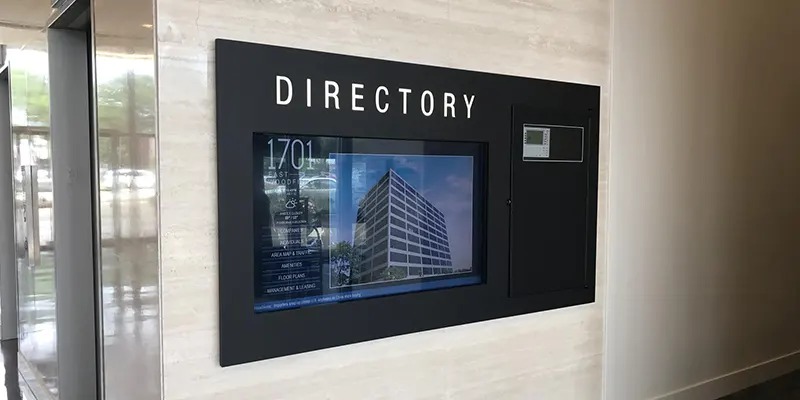
As urban environments become more complex and interconnected, the demand for efficient, user-friendly navigation systems is growing rapidly. Digital Building Directory Signs are at the forefront of this transformation, offering a modern alternative to traditional static directories. By combining advanced display technology with intelligent software, these systems are redefining how visitors interact with commercial, residential, and public spaces.
A Shift Toward Smart Navigation
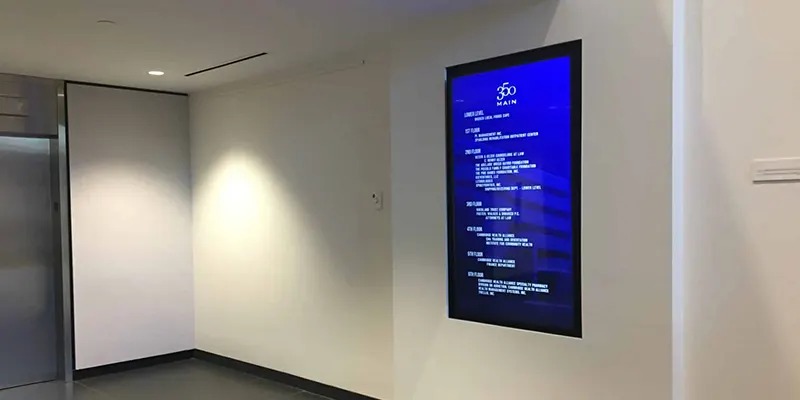
The limitations of traditional building directories are becoming increasingly apparent in today’s fast-changing environments. Static signs are difficult to update, prone to errors, and often fail to engage users. Digital building directory signs solve these problems by providing dynamic, real-time information that can be updated instantly through centralized management systems.
This shift aligns with the broader trend toward smart buildings, where technology is used to enhance efficiency, sustainability, and user experience. Digital directories are no longer just informational tools—they are interactive platforms that support seamless navigation and communication.
Key Features Driving Adoption
One of the main reasons for the growing adoption of digital building directory signs is their versatility. These systems typically include touchscreen interfaces, allowing users to search for specific tenants, offices, or facilities. Interactive maps guide visitors step-by-step, reducing confusion and improving overall satisfaction.
Another important feature is remote content management. Building operators can update directory listings, upload announcements, or modify layouts in real time without physical intervention. This is particularly valuable in environments with high tenant turnover, such as office towers and co-working spaces.
Additionally, many digital directories support multilingual interfaces, making them ideal for international locations. Accessibility features, including voice guidance and adjustable text sizes, further enhance usability for a diverse range of users.
Enhancing Brand Identity and Engagement
Digital building directory signs also play a crucial role in reinforcing brand identity. With customizable layouts, high-resolution graphics, and dynamic content, property owners can create visually appealing displays that reflect their brand image.
Beyond navigation, these screens can be used for promotional content, event announcements, and advertising. This transforms a simple directory into a powerful communication and marketing tool, increasing engagement with visitors and tenants alike.
Integration with Emerging Technologies
As technology continues to evolve, digital directories are becoming increasingly integrated with other smart systems. For example, they can connect with mobile applications, allowing users to plan their route before arriving at a building. Integration with access control systems can streamline visitor check-ins, improving security and efficiency.
Artificial intelligence is also beginning to play a role, enabling features such as predictive search and personalized recommendations. In the future, augmented reality could further enhance navigation by overlaying directions in real-world environments.
Sustainability and Cost Efficiency
Sustainability is another key factor driving the adoption of digital building directory signs. By eliminating the need for printed materials and reducing waste, these systems support environmentally friendly practices. Energy-efficient displays and smart power management features help minimize electricity consumption.
While the initial investment may be higher than traditional signage, the long-term cost savings are significant. Reduced maintenance, lower labor costs, and the ability to update content instantly contribute to a strong return on investment.
Challenges to Consider
Despite their many advantages, digital building directory signs are not without challenges. Installation costs, system maintenance, and cybersecurity risks must be carefully managed. Ensuring a user-friendly interface is also critical, as poorly designed systems can lead to frustration rather than convenience.
Building owners must choose reliable hardware and software providers, implement strong security measures, and prioritize intuitive design to maximize the benefits of digital directories.
Future Outlook
The future of digital building directory signs looks promising as technology continues to advance. With the rise of smart cities and connected infrastructure, these systems are expected to become even more sophisticated and widely adopted.
Innovations such as voice interaction, AI-driven analytics, and seamless integration with IoT devices will further enhance their functionality. As a result, digital directories will play an increasingly important role in shaping the user experience within modern buildings.
FAQ: Digital Building Directory Signs
1. What are digital building directory signs?
Digital building directory signs are electronic displays, often with touchscreen functionality, that provide interactive navigation and information about a building’s layout, tenants, and services.
2. How do digital directories improve user experience?
They offer intuitive search functions, interactive maps, and real-time updates, making it easier for visitors to find their destinations quickly and efficiently.
3. Are digital building directory signs easy to update?
Yes, they are managed through centralized software systems, allowing administrators to update information instantly without replacing physical signage.
4. Can digital directories support multiple languages?
Most modern systems include multilingual support, making them suitable for international environments and diverse user groups.
5. Are these systems environmentally friendly?
Digital directories reduce the need for printed materials and support energy-efficient technologies, contributing to sustainability goals.
6. What types of buildings benefit from digital directory signage?
They are widely used in office buildings, shopping malls, hospitals, hotels, airports, and educational institutions—essentially any environment where navigation is important.
7. Is the initial investment worth it?
Although the upfront cost may be higher, the long-term benefits—such as reduced maintenance, improved efficiency, and enhanced user experience—make digital directory signs a valuable investment.
8. What should be considered before installation?
Key factors include budget, system scalability, ease of use, integration capabilities, and security measures to protect against potential cyber threats.