
How Self-Ordering Kiosks Boost Sales & Reduce Wait Times?
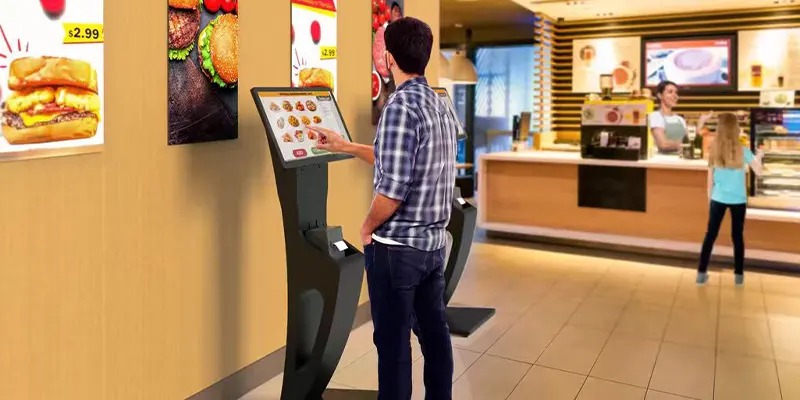
Self-ordering kiosks are interactive touchscreen systems that allow customers to browse menus, customize orders, and complete payments without needing a cashier. You’ve probably seen them in fast-food restaurants, cinemas, or retail stores. They function like a digital assistant, guiding users step by step through the ordering process while ensuring accuracy and speed.
What makes these kiosks so effective is their ability to simplify complex decisions. Instead of trying to remember menu options or communicate preferences verbally, customers can clearly see everything in front of them. It’s a smoother, more intuitive experience that reduces confusion and eliminates miscommunication. In a way, kiosks act as both a salesperson and a system—consistent, efficient, and always available.
1.Why Businesses Use Them
Businesses are adopting kiosks because they solve two major problems: slow service and inconsistent sales performance. With rising labor costs and increasing customer expectations, traditional ordering systems often fall short. Kiosks provide a scalable solution that improves speed without requiring additional staff.
Recent data shows that many businesses using kiosks experience shorter queues and higher order values. Customers also tend to prefer self-service, especially younger generations who are comfortable with digital interfaces. For companies, this isn’t just about keeping up with trends—it’s about staying competitive in a fast-moving market where convenience is everything.
2. Market Growth & Consumer Trends
Industry Growth
The self-service kiosk market has seen rapid expansion in recent years. With millions of units already deployed globally, kiosks have become a standard feature across multiple industries. From restaurants to healthcare and transportation, businesses are investing heavily in this technology.
The financial growth is equally impressive, with the market valued in the tens of billions of dollars and expected to keep rising. This growth reflects a broader shift toward automation and digital transformation. Kiosks are no longer considered optional—they are becoming essential infrastructure for modern operations.
Changing Customer Behavior
Consumer expectations have changed dramatically. People now expect fast, seamless, and personalized experiences wherever they go. Waiting in long lines or dealing with slow service feels outdated.
Self-ordering kiosks align perfectly with this shift. They offer control, speed, and privacy, allowing customers to interact with businesses on their own terms. Many users prefer kiosks because they can explore options without pressure, customize orders easily, and complete transactions quickly. This behavioral shift is a key driver behind the widespread adoption of kiosk technology.
3. Advangtages
Reducing Wait Times
Parallel Ordering: One of the biggest advantages of kiosks is their ability to enable parallel ordering. Traditional systems rely on a single queue, where customers are served one at a time. Kiosks, on the other hand, allow multiple customers to place orders simultaneously.
Think of it like opening multiple checkout lanes instead of just one. This dramatically increases throughput and reduces congestion, especially during busy periods. Customers spend less time waiting and more time enjoying their experience.
Peak Hour Efficiency: During peak hours, kiosks make a noticeable difference. Instead of long lines stretching across the store, customers can quickly access available kiosks and complete their orders. This reduces bottlenecks and keeps operations running smoothly.
Faster ordering also leads to faster fulfillment. With fewer delays at the ordering stage, kitchens or service teams can process requests more efficiently. The result is a smoother flow from start to finish, benefiting both customers and staff.
Increasing Sales
Upselling Features: Self-Ordering Kiosks are excellent at upselling because they never miss an opportunity. Every customer is presented with suggestions—whether it’s adding a drink, upgrading a meal, or including a dessert. These prompts are built into the system and appear consistently.
Unlike human staff, kiosks don't forget or hesitate. They use visuals and strategic placement to encourage additional purchases, making upselling feel natural rather than forced. This consistency plays a major role in boosting overall revenue.
Higher Order Value: Customers tend to spend more when using kiosks. Without the pressure of a line behind them, they take their time exploring options and customizing orders. This relaxed environment leads to more thoughtful—and often larger—purchases.
Psychological Impact
No Pressure Ordering: Kiosks create a stress-free ordering environment. Customers don’t feel rushed or judged, which allows them to make better decisions. This freedom often leads to increased spending, as people are more willing to explore options and add extras.
It's similar to online shopping, where users browse at their own pace and often end up purchasing more than they initially planned. Kiosks bring that same experience into physical spaces.
Visual Influence: Visual design plays a powerful role in influencing decisions. High-quality images and clear layouts make products more appealing and easier to understand. Customers are naturally drawn to visually attractive items, which increases the likelihood of additional purchases.
By controlling how items are displayed, businesses can subtly guide customer choices. This combination of design and technology turns kiosks into effective sales tools.
Operational Benefits
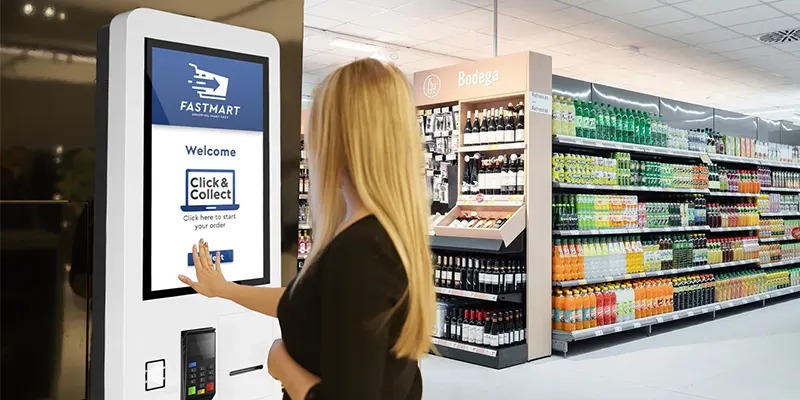
Labor Efficiency: Kiosks help businesses optimize labor by handling repetitive tasks like order taking and payment processing. This allows staff to focus on more valuable activities, such as customer service and operations.
Rather than replacing employees, kiosks enhance their productivity. Teams can work more efficiently and handle higher volumes without increasing headcount.
Workflow Improvements: Kiosks streamline communication between customers and operations. Orders are sent directly to the system, reducing errors and delays. This creates a smoother workflow and improves overall efficiency.
The result is a faster, more reliable process that benefits everyone involved—from staff to customers.
4. Conclusion
Self-ordering kiosks are transforming how businesses operate. They reduce wait times, increase sales, and improve efficiency—all while enhancing the customer experience. As expectations continue to rise, kiosks are becoming a necessary tool for staying competitive.
FAQs
1. Do kiosks really speed up service?
Yes, they allow multiple customers to order at the same time, significantly reducing wait times.
2. Why do kiosks increase sales?
They use consistent upselling and create a relaxed environment that encourages higher spending.
3. Are kiosks difficult to use?
Most are designed to be user-friendly, with simple interfaces and clear instructions.
4. Do kiosks replace employees?
No, they support staff by handling repetitive tasks and improving efficiency.
5. Are kiosks worth the investment?
For many businesses, the increased revenue and efficiency provide a strong return over time.