
What Is an Interactive Digital Wall?
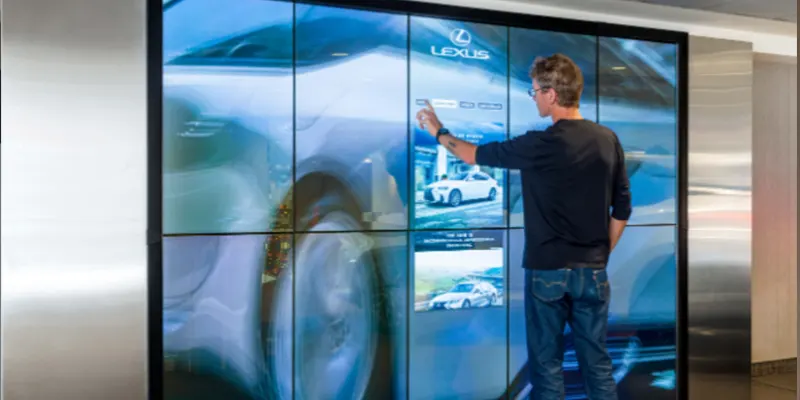
An interactive digital wall is a large-scale display system that combines advanced screen technology with interactive capabilities, allowing users to engage directly with digital content through touch, motion, or other input methods. Unlike traditional static walls or standard digital signage, interactive digital walls transform physical spaces into immersive, responsive environments.
These systems are widely used in retail stores, museums, corporate offices, educational institutions, exhibition halls, and entertainment venues. By integrating high-resolution displays with intelligent software, interactive digital walls create engaging experiences that enhance communication, collaboration, and user participation.
1. Core Concept of Interactive Digital Walls
The core concept of an interactive digital wall is to turn a large display surface into an interactive platform where users can actively explore and manipulate content. Instead of passively viewing information, users can interact with visuals, navigate menus, and trigger responses in real time.
These walls often support multi-touch functionality, allowing multiple users to interact simultaneously. This makes them ideal for collaborative environments, presentations, and public engagement scenarios. The result is a more dynamic and memorable experience that captures attention and encourages deeper interaction.
2. Benefits of Interactive Digital Walls
Interactive digital walls offer numerous advantages across different industries:
High Engagement Levels: Large interactive surfaces naturally attract attention and encourage participation.
Immersive Experiences: Users can interact with content in a visually rich and engaging environment.
Enhanced Communication: Complex ideas can be presented in a more intuitive and interactive way.
Multi-User Interaction: Supports simultaneous interaction, making it ideal for group activities and collaboration.
Brand Differentiation: Creates a modern, innovative image for businesses and organizations.
These benefits make interactive digital walls a powerful tool for both communication and experiential marketing.
3. Technologies Behind Interactive Digital Walls
Interactive digital walls rely on a combination of advanced technologies to deliver seamless performance:
Display Technologies: LED video walls or large-format LCD panels provide high brightness, clarity, and scalability.
Touch and Sensor Systems: Infrared touch frames, capacitive touch, or motion sensors enable user interaction.
Content Management Systems (CMS):CMS)**: Allow remote content updates, scheduling, and system control.
Graphics and Processing Units: High-performance processors ensure smooth rendering of interactive content.
Software Integration: Custom applications and interactive software create tailored user experiences.
These technologies work together to ensure responsiveness, reliability, and high-quality visuals.
4. Best Practices for Effective Interactive Digital Walls
To maximize the effectiveness of an interactive digital wall, consider the following best practices:
User-Centric Design: Ensure the interface is intuitive and easy to navigate for all users.
Engaging Visual Content: Use high-quality graphics, animations, and interactive elements.
Clear Instructions: Provide simple guidance so users know how to interact with the wall.
Strategic Placement: Install in high-traffic, open areas where users can interact comfortably.
Regular Updates: Keep content fresh to maintain user interest and relevance.
Following these practices helps deliver a seamless and engaging user experience.
5. Common Application Scenarios
Interactive digital walls are used across a wide range of environments:
Retail and Showrooms: Showcase products, enable virtual browsing, and create immersive brand experiences.
Museums and Exhibitions: Provide interactive storytelling, educational content, and digital exploration.
Corporate Offices: Support presentations, collaboration, and data visualization.
Education: Enhance learning through interactive lessons and group participation.
Events and Entertainment: Create engaging installations for audiences at exhibitions, concerts, and public events.
These applications highlight the versatility and impact of interactive digital walls.

6. Summary and Call to Action
In conclusion, interactive digital walls are a cutting-edge solution that transforms traditional display surfaces into dynamic, engaging, and user-driven platforms. By combining large-scale visuals with interactive technology, they enhance communication, improve user engagement, and create memorable experiences.
If you are interested in implementing an interactive digital wall or would like to explore customized solutions for your business or project, please feel free to contact us at any time. Our team is ready to provide professional consultation and tailored system designs to meet your specific needs.
FAQ
Q1: What is the difference between an interactive digital wall and a video wall?
A: A video wall primarily displays content, while an interactive digital wall allows users to engage directly with the content through touch or other input methods.
Q2: Can multiple users interact with the wall at the same time?
A: Yes. Most interactive digital walls support multi-touch functionality, enabling multiple users to interact simultaneously.
Q3: Is it difficult to maintain an interactive digital wall?
A: No. With proper installation and regular maintenance, these systems are reliable and can be easily managed through centralized software.