
Why Hotel Lobby Digital Signage is Important in Hotels?
In today’s fast-paced, tech-driven world, the guest experience is more important than ever. One way hotels can enhance this experience is through the use of digital signage in their lobbies. Digital signage is an innovative and effective way to communicate with guests, improve operations, and boost revenue. But why exactly is it so important? Let’s dive in.
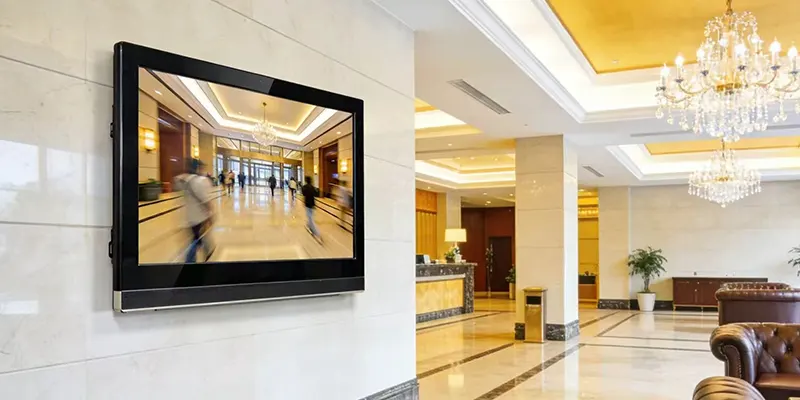
1. Instant, Real-Time Information Delivery
Real-Time Updates for Guests
One of the greatest advantages of hotel lobby digital signage is the ability to provide real-time updates to guests. Whether it’s informing guests of a change in breakfast hours, announcing an event delay, or alerting them to an emergency, digital signage allows information to be updated instantly across multiple screens throughout the hotel.
This ability to quickly communicate important messages ensures that guests receive accurate information at any moment during their stay. It removes the need for manual updates or printed materials, which can quickly become outdated. For instance, if a local weather alert or a transportation strike occurs, digital signage can provide immediate notifications, ensuring guests are well-informed and can adjust their plans accordingly.
Additionally, hotels can use real-time signage to display last-minute promotions or special offers for guests, such as discounts at the hotel restaurant or extended check-out times, increasing the likelihood of guests making on-the-spot bookings.
Eliminating Information Overload
In a busy hotel lobby, especially during peak hours, it can be overwhelming for guests to take in a large volume of information from printed flyers, brochures, or posters. Digital signage simplifies the experience by displaying key information in an organized and visually appealing way. Content such as the hotel’s amenities, event schedules, dining options, and emergency procedures can be displayed clearly, reducing confusion.
Guests can quickly scan the screens for the most important updates or news without having to sift through piles of paper. This makes it much easier for them to find the information they need and makes the lobby look less cluttered. It also reduces the risk of guests missing important announcements, as digital signage can highlight the most pressing updates in an eye-catching manner.
Multi-Screen Integration for Consistency
Digital signage systems allow for multi-screen integration, ensuring that all displays across the property show consistent, synchronized content. This is particularly useful in large hotels, resorts, or conference centers where different areas of the hotel (such as the lobby, conference rooms, elevators, or hallways) need to display similar or the same information to ensure a cohesive experience.
For instance, if there’s a change in the hotel’s dining schedule or a special promotion is running, it can be automatically updated across all screens simultaneously, ensuring that no guest misses out on important details regardless of where they are in the hotel. This level of integration ensures consistency and efficiency in communicating to guests at all times.
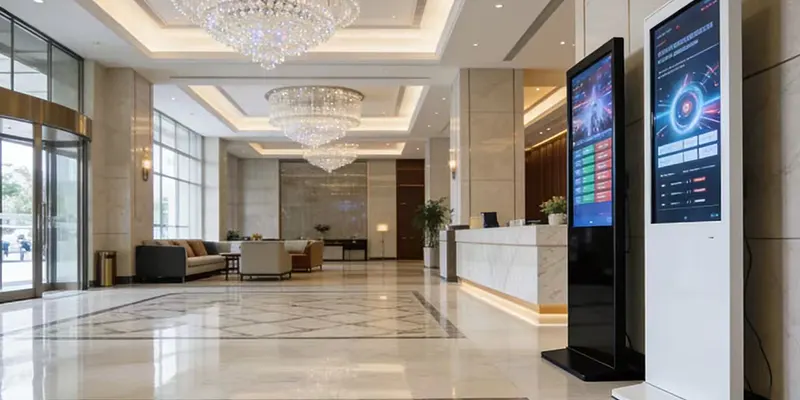
2. Enhancing the Guest Experience
Creating a Dynamic and Engaging Environment
First impressions matter, especially in the hospitality industry. Digital signage transforms a static lobby into a dynamic, visually engaging environment. Whether it’s showcasing beautiful visuals of the property, playing promotional videos, or displaying interactive content, digital signage makes the lobby feel more lively and engaging.
Personalizing the Guest Journey
One of the greatest advantages of digital signage is its ability to personalize the guest experience. By displaying personalized messages such as welcome notes or customized offers for specific guests, you can create a memorable first impression. Moreover, signage can be tailored to highlight specific amenities or services based on guest preferences, making them feel special and valued.
Interactive Features for Guests
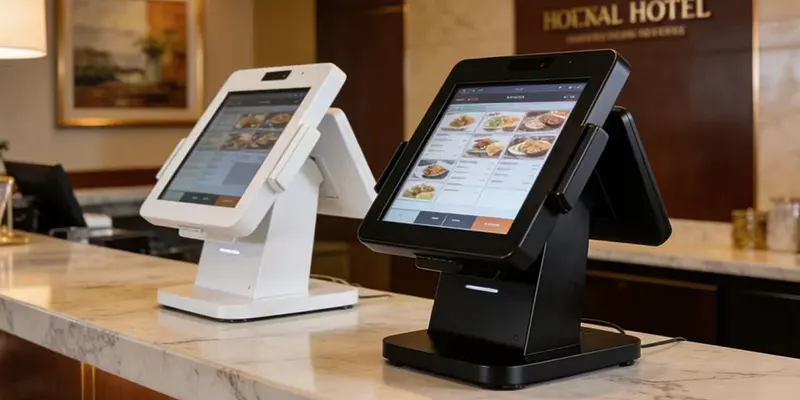
Interactive digital signage offers guests the ability to search for information directly. From checking restaurant menus to exploring nearby tourist attractions or even making a reservation for spa services, interactive screens empower guests to make decisions without waiting in line. This enhances their experience and reduces friction, especially in busy lobbies.
3. Effective Branding and Marketing
Reinforcing Your Hotel’s Brand Identity
Hotel lobby digital signage is an excellent way to showcase your hotel's brand and identity. Through high-quality images, videos, and visual content, you can consistently communicate your hotel’s atmosphere and style. For example, a luxury hotel can use digital signage to promote its elegant features, while a boutique hotel can highlight its unique character and local roots.
Promoting Services and Upselling
Digital signage is a powerful tool for driving additional revenue through upselling. You can display targeted promotions for room upgrades, restaurant specials, or spa deals directly to your guests. By showcasing these offers in a visually appealing way, you can entice guests to take advantage of services they might not have otherwise considered.
Event Promotions and Local Attractions
Hotels can use digital signage to promote upcoming events, both within the hotel (such as conferences or live performances) and in the surrounding area. Guests can easily see what’s happening in real time, which enhances their stay and increases the likelihood of them participating in events or booking excursions.
4. Improving Operational Efficiency
Centralized Content Management
Managing content for multiple digital displays can be a hassle—unless you have a centralized content management system (CMS). This allows hotel staff to update all digital signage screens from one location, ensuring consistent messaging across the property. Whether it’s a menu change or an event update, everything can be handled in real-time with just a few clicks.
Reducing Staff Workload
Instead of staff members having to manually update posters or flyers, digital signage allows for automation. This reduces the workload on your team and frees up valuable time for them to focus on guest interactions. Additionally, by providing guests with self-serve options like interactive directories or room availability, staff can focus on more critical tasks.
Conclusion
Hotel lobby digital signage is not just a modern convenience—it’s a vital tool for improving guest satisfaction, increasing revenue, and streamlining hotel operations. From delivering real-time updates to enhancing branding and offering upsell opportunities, digital signage transforms the way hotels communicate with guests and manage their operations.
By embracing this technology, hotels can create a more dynamic, engaging, and sustainable environment, which ultimately boosts both the guest experience and the bottom line.
RFQs
1. What is the name and location of your hotel, and how many digital displays do you need?
Please provide the name and full address of your hotel, as well as the number of digital signage screens you plan to install. You may specify different locations like the lobby, restaurant, or conference rooms.
2. What type of content will you display on the digital signage?
Please describe the content you plan to show on the screens, such as event schedules, hotel promotions, guest services, local attractions, dining menus, or emergency notifications.
3. Do you require interactive features on the signage, such as touchscreens for wayfinding or room bookings?
Let us know if you need interactive screens that allow guests to search for information, make reservations, or explore local attractions, or if you prefer non-interactive displays.
4. What is your estimated budget range for the digital signage project, and do you have a preferred timeline for installation?
Provide an estimated budget range you are planning to allocate for the project. Also, mention any deadlines or preferred timelines for when you would like the signage installed and ready for use.
5. Do you require ongoing support and maintenance for your digital signage after installation?
Let us know if you would like ongoing support for system updates, troubleshooting, content management, or hardware maintenance after the signage is installed.