
What Are the Three Types of Digital Directory Board?
In recent years, the Digital Directory Board Board industry has experienced rapid growth. According to recent industry reports, commercial venues are increasingly relying on cloud-managed signage systems and interactive displays to improve navigation, reduce visitor confusion, and project a more professional image. The value of Digital Directory Board Board lies in their flexibility. They can display maps, directories, advertisements, emergency alerts, schedules, and even real-time announcements—all on a single screen. At the core of this technology are three main categories: static digital directories, interactive touchscreen directories, and cloud-based smart directories. Each type serves a distinct purpose and offers unique advantages depending on the specific environment in which it is deployed. Choosing the right directory system is a bit like buying a car—you wouldn't buy a sports car for farming in the mountains, would you? The same logic applies here. Some businesses require simple, cost-effective displays, while others need sophisticated systems driven by artificial intelligence and real-time analytics.
1. What Is a Digital Directory Board?
A Digital Directory Board is an electronic display system designed to provide navigation, tenant information, room locations, maps, and announcements in public or commercial spaces. Unlike traditional paper directories, digital directories allow businesses to update content instantly and remotely.
Think of it as replacing an old paper road atlas with Google Maps. Traditional directories quickly become outdated and difficult to maintain, whereas digital systems remain dynamic and flexible at all times. Modern electronic signage typically utilizes Liquid Crystal Displays (LCD), LED screens, or touchscreen technology to create an engaging visual experience for visitors.
1.1 Electronic signage is commonly found in:
Shopping malls
Hospitals
Airports
Hotels
Office buildings
Universities
Government agencies
Restaurants
Event venues
These systems are more than just pretty screens; they serve as communication hubs capable of reducing confusion, saving staff time, and enhancing customer satisfaction. Many modern solutions can also integrate with building management software to enable real-time updates and automated operations.
1.2 Why Businesses Should Replace Traditional Signage
Building managers can update information remotely via cloud-based software without the need to replace physical signs. This translates to fewer operational headaches and a more professional corporate image. Businesses are increasingly realizing that Digital Directory Board Board can significantly boost visitor engagement. Bright, vibrant displays naturally capture more attention.
In contrast, interactive systems go a step further, allowing visitors to search for destinations, view routes, and receive step-by-step navigation instructions. This is particularly valuable in large venues—such as hospitals or universities—where visitors often feel overwhelmed or disoriented.
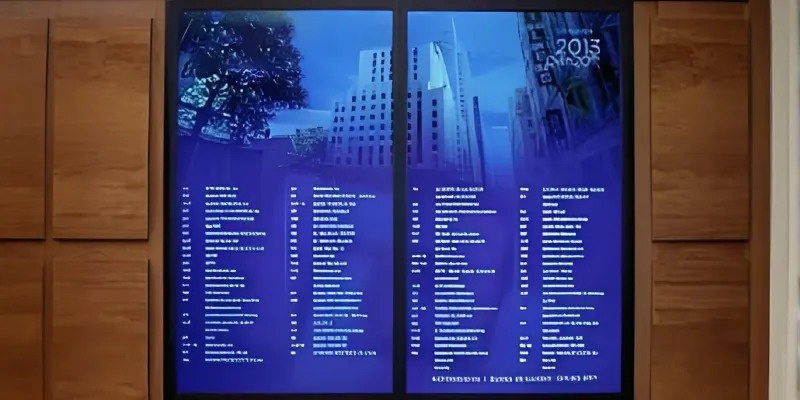
2. Static Digital Wayfinding Displays
2.1 Characteristics of Static Digital Wayfinding Displays
The first category of digital wayfinding solutions consists of static digital displays. These systems represent the simplest and most cost-effective option currently available on the market. They are typically used to present fixed information—such as tenant directories, room numbers, announcements, or directional signage—and do not require any user interaction.
Static wayfinding displays typically utilize commercial-grade LCD or LED screens. According to recent industry reports on Digital Directory Board Board, LCD technology remains one of the most widely adopted choices due to its reliability and cost-effectiveness.
2.2 Their typical features include:
Rotating content slideshows
Scheduled announcement publishing
Integrated brand imagery and branding elements
Remote content updates
High-resolution display capabilities
Video playback functionality
Energy-saving operating modes
These systems are ideally suited for environments where visitors primarily require access to basic information rather than interactive navigation guidance.
2.3 Best Use Cases for Static Wayfinding Displays
Static wayfinding displays perform best in smaller venues or environments with relatively simple layouts. They are frequently deployed in the following settings:
Small office building lobbies
Retail storefronts
Residential apartment complexes
Restaurants
Churches
Schools
Reception areas
Their greatest advantage lies in their affordability. Businesses can create professional-looking, high-quality Digital Directory Board Board without having to invest heavily in expensive touchscreen hardware or complex software systems.
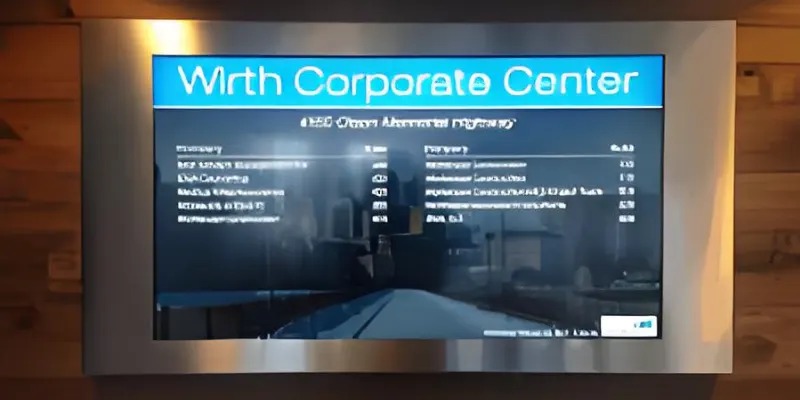
3. Interactive Touchscreen Displays
3.1 Key Features of Interactive Wayfinding Systems
The second category of Digital Directory Board Board solutions comprises interactive touchscreen displays. These systems represent a significant leap forward in terms of visitor engagement and wayfinding capabilities.
Interactive signage allows users to search for specific destinations, browse maps, filter categories, and generate personalized routes. Instead of passively reading information, visitors actively engage with the display screen.
3.2 Interactive information kiosks typically feature the following functions:
Touchscreen navigation
Search capabilities
Interactive floor maps
QR code integration
Multilingual support
Wayfinding/Directions
Real-time updates
According to modern wayfinding experts, touchscreen systems can significantly enhance navigation efficiency within complex buildings.
Interactive signage also serves to elevate a brand's image. Visitors naturally associate modern technology with professionalism and innovation. A sleek touchscreen information kiosk in a lobby immediately conveys that an organization prioritizes convenience and the customer experience.
3.3 Advantages of Touchscreen Wayfinding Solutions
Touchscreen wayfinding systems address a critical issue: information overload. Large buildings often overwhelm visitors with an excess of corridors, floors, and room numbers. Interactive systems simplify this process by narrowing down results based on the user's specific search queries.
Modern interactive wayfinding systems rely on the synergistic operation of various advanced technologies.
Many systems now also integrate with smartphones. Visitors can scan a QR code to seamlessly continue their navigation directly on their mobile devices. This hybrid experience perfectly blends physical signage with digital convenience.
4. Cloud-Based Smart Directories
4.1 The Unique Features of Smart Directories
The third—and most advanced—category consists of cloud-based smart digital directories. These systems combine interactive functionality with artificial intelligence (AI), cloud computing, automation, and real-time data integration.
Smart directories can arguably be considered the "smartest" option currently available. Rather than simply displaying static content or interactive maps, they leverage connected software platforms to constantly adapt and evolve.
Cloud-based systems allow administrators to instantly update content across multiple locations. A single administrator can manage hundreds of displays from a centralized dashboard, from anywhere in the world.
This technology is particularly vital for large enterprises, healthcare networks, airports, universities, and smart buildings where information is constantly changing.
Remote Management and Content Updates
4.2 One of the greatest advantages of cloud-based systems is centralized management.
Organizations no longer require on-site staff to manually update displays.
Through a cloud-based Content Management System (CMS) platform, administrators can:
Push instant updates
Schedule content releases
Monitor screen performance
Manage multiple buildings
Oversee advertising campaigns
Analyze user engagement
This scalability makes smart wayfinding displays an extremely attractive solution for enterprise-level deployments. The ability to remotely manage content not only reduces operational costs but also ensures brand consistency across various branch locations.
For modern enterprises committed to enhancing communication efficiency, optimizing navigation, and improving the visitor experience, Digital Directory Board Board has become an indispensable tool. Digital wayfinding solutions generally fall into three main categories: static digital displays, interactive touchscreen systems, and cloud-based smart signage. Each category is designed to meet distinct business requirements and budgetary considerations.
FAQs
1. Which type of Digital Directory Board Board is the most common?
The most common type is the interactive touchscreen wayfinding system, as it seamlessly combines a user-friendly navigation experience with flexible content management capabilities.
2. Is Digital Directory Board Board expensive?
Costs vary significantly. Static displays are relatively affordable, whereas cloud-based smart systems—depending on their specific feature configurations and installation complexity—may require a comparatively higher budget investment.
3. Which industries benefit most from Digital Directory Board Board?
Hospitals, shopping malls, higher education institutions, airports, hotels, and office buildings stand to benefit significantly, as these venues often involve complex internal navigation requirements and experience high volumes of visitor traffic.
4. Does Digital Directory Board Board support remote content updates?
Yes. Most modern digital wayfinding systems utilize cloud-based software platforms, allowing administrators to remotely update and manage content in real-time.
5. What technologies are used in Digital Directory Board Board?
Common technologies include LCD displays, LED panels, touchscreen systems, cloud-based Content Management System (CMS) software, AI-driven search tools, and Internet of Things (IoT) connectivity.