
What Is the Elevator Display?
In today’s smart buildings, digital technology plays a key role in improving communication and user experience. One of the most overlooked yet highly effective tools is the elevator display. No longer limited to simple floor indicators, elevator displays have evolved into powerful digital signage systems that deliver real-time information, branding, and entertainment.
What Is an Elevator Display?
Definition and Core Function
An elevator display is a digital or electronic screen installed inside elevator cabins or at elevator entrances. Its primary role is to provide passengers with real-time information such as the current floor, direction of travel, and elevator status. These displays help improve navigation efficiency and reduce confusion, especially in high-rise or complex buildings.
Beyond Basic Indicators
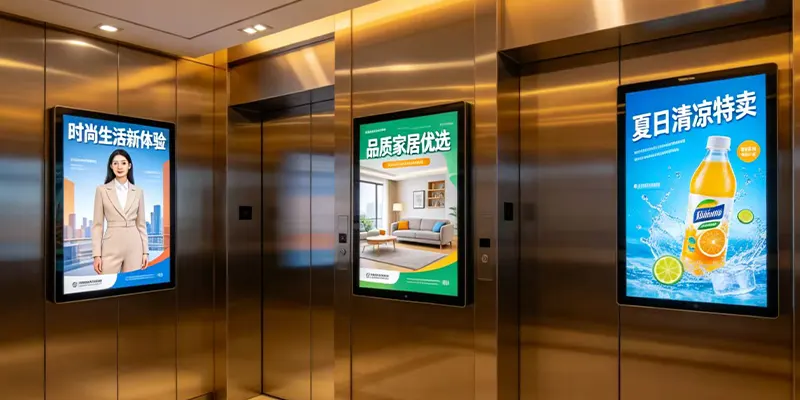
Modern elevator displays have evolved far beyond traditional numeric indicators. Today, they function as compact digital signage systems capable of delivering a wide range of content. In addition to operational information, they can display:
Multimedia content such as videos and animations
Real-time updates including weather, news, and traffic
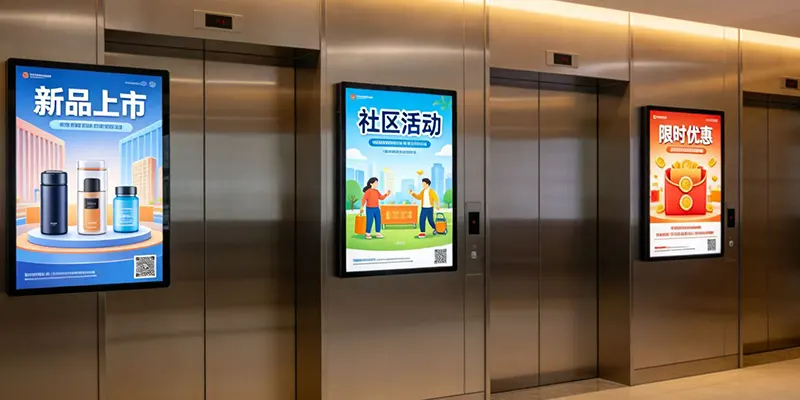
Building announcements, event promotions, and safety alerts
Brand messaging and third-party advertisements
This transformation makes elevator displays not only functional tools but also valuable communication and marketing platforms within a building.
Types of Elevator Displays
LCD and LED Elevator Screens
LCD and LED displays are widely used in commercial environments due to their high resolution and versatility. They support dynamic content such as videos, images, and scrolling text, making them ideal for advertising, branding, and information sharing. These screens are commonly found in office buildings, malls, and hotels.
Digital Floor Indicator Panels
These are more traditional and simplified displays designed mainly to show floor numbers and directional arrows. They are cost-effective, reliable, and easy to maintain, making them suitable for residential buildings or facilities where advanced features are not necessary.
Touch Screen Elevator Displays
Touch screen displays introduce an interactive element to elevator systems. Users can access building directories, select destinations, or explore additional services. They are often integrated into smart building systems and are commonly used in premium office spaces, hospitals, and high-end commercial properties.
Key Features of Modern Elevator Displays
Real-Time Information Delivery
Modern elevator displays are designed to provide instant and accurate updates. Whether it’s floor changes, emergency alerts, or building announcements, content can be updated in real time. This ensures passengers are always informed, which is especially important in busy commercial environments or during urgent situations.
Multimedia Content Support
Unlike traditional displays, modern systems support a variety of media formats, including high-definition videos, images, animations, and scrolling text. This makes the content more engaging and helps capture passengers’ attention during short elevator rides.
Remote Content Management
Most elevator displays are connected to a centralized Content Management System (CMS). This allows operators to control and update content across multiple elevators or even multiple buildings from one platform. It greatly improves efficiency and ensures consistency in messaging.
Smart Integration Capabilities
Many advanced displays can integrate with smart building systems, IoT devices, and data platforms. This enables features such as automated content scheduling, data-driven messaging, and even personalized content in some high-end applications.
Benefits of Elevator Displays
Enhanced Passenger Experience
Elevator displays make the ride more engaging and informative. By providing useful content such as news, weather, or entertainment, they help reduce perceived waiting and travel time, improving overall user satisfaction.
Effective Communication Tool
For building management, elevator displays serve as a direct communication channel. Important notices, safety instructions, and event updates can be delivered instantly to a captive audience, ensuring high visibility.
Revenue Generation Opportunities
In commercial settings, elevator displays can be monetized through advertising. Businesses can promote products, services, or events, turning otherwise idle screen time into a valuable revenue stream.
Strengthened Brand Image
Digital displays contribute to a modern and professional building environment. They reflect a commitment to innovation and technology, which can enhance the perception of the property among tenants, visitors, and clients.
Conclusion
Elevator displays have become an essential part of modern building infrastructure, combining functionality with communication and marketing capabilities. They not only provide critical operational information but also create opportunities to engage, inform, and influence passengers in a highly effective way.
As technology continues to advance, elevator displays will become even smarter and more integrated, playing a larger role in shaping intelligent, connected, and user-friendly building environments.
RFQs
Q1: What size elevator display should I choose?
A: The size depends on the elevator cabin space and viewing distance. Common sizes range from 7 inches to 21 inches for in-cabin displays.
Q2: Can elevator displays be customized with my brand content?
A: Yes, most modern elevator displays support custom content, including logos, videos, and promotional materials through a CMS.
Q3: Do elevator displays require internet connectivity?
A: While not always required, internet connectivity is recommended for real-time updates and remote content management.
Q4: Are elevator displays suitable for residential buildings?
A: Yes, simpler versions can be used in residential buildings to display floor information, notices, and community updates.
Q5: How are elevator displays installed?
A: They can be mounted inside the cabin, above the door, or outside near the elevator entrance, depending on design and purpose.
Q6: What is the lifespan of an elevator display?
A: High-quality LCD/LED displays typically last between 30,000 to 50,000 hours, depending on usage and environment.