
What Is Video Wall Signage?
Video wall signage is a large-format digital display system created by combining multiple screens—such as LCD panels or LED modules—into a single, unified visual surface. These systems are widely used in commercial, corporate, and public environments where high-impact visual communication is required. Common locations include shopping malls, airports, corporate headquarters, control rooms, conference centers, exhibition halls, hotels, and entertainment venues.
1. What is Video Wall Signage?
Video wall signage is to create a visually dominant display area that significantly enhances message visibility and communication effectiveness. By synchronizing multiple screens into one continuous canvas, organizations can present content in a way that is impossible with traditional single displays.
Video walls support both single-image mode, where one large image spans all screens, and multi-window mode, where different content streams are displayed simultaneously. This flexibility allows businesses to showcase advertisements, corporate messages, live broadcasts, data dashboards, and wayfinding information in a centralized, visually compelling format.
2. Benefits of Video Wall Signage
Video wall signage offers a wide range of advantages that make it a preferred choice for modern digital communication:
Exceptional Visual Impact: The large display size naturally draws attention and enhances message retention.
High Resolution and Image Quality: Advanced display technologies ensure sharp visuals, vivid colors, and consistent brightness.
Content Versatility: Video walls can display videos, images, live feeds, social media streams, and real-time data simultaneously.
Operational Efficiency: Centralized content management reduces manual updates and improves operational workflow.
Scalability and Flexibility: Video walls can be expanded, reconfigured, or upgraded as business needs evolve.
These benefits make video wall signage a strategic investment for organizations seeking long-term value and strong visual communication.
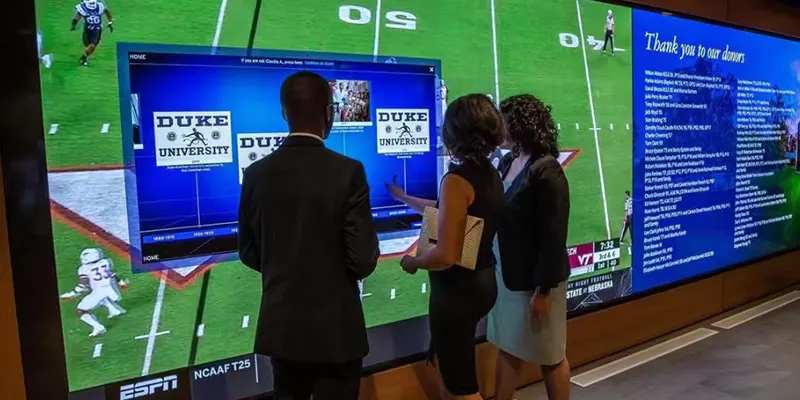
3. Technologies Used in Video Wall Systems
Video wall signage systems rely on a combination of advanced hardware and software technologies to ensure reliable and high-quality performance:
Display Technologies: Ultra-narrow bezel LCD panels and seamless LED modules are the most commonly used options. LCD video walls are ideal for indoor applications, while LED video walls excel in large venues and high-brightness environments.
Video Wall Controllers: These devices process and distribute content across multiple screens, ensuring perfect synchronization and smooth transitions.
Content Management Software (CMS): A CMS allows operators to remotely upload, schedule, monitor, and manage content across multiple locations and time zones.
Mounting and Structural Systems: Precision mounting solutions ensure accurate alignment, structural stability, and easy maintenance access.
Together, these technologies form a robust and scalable system capable of delivering consistent, high-impact visual output.
4. Best Practices for Effective Video Wall Signage
To achieve optimal results, organizations should follow proven best practices when designing and deploying video wall signage:
Strategic Location Selection: Place video walls in high-visibility areas such as entrances, lobbies, atriums, or high-traffic corridors.
Content Optimization: Use high-resolution visuals, concise messaging, and readable fonts to ensure clarity from various viewing distances.
Consistent Branding: Maintain uniform brand colors, logos, and messaging across all displayed content to reinforce brand identity.
Performance Monitoring and Maintenance: Conduct regular system checks, calibration, and software updates to ensure long-term reliability and performance.
These practices help maximize return on investment while ensuring a consistent and professional user experience.
5. Common Application Scenarios
Video wall signage is widely adopted across multiple industries due to its flexibility and impact:
Retail and Commercial Spaces: Used to showcase promotions, product launches, and immersive brand experiences that influence purchasing decisions.
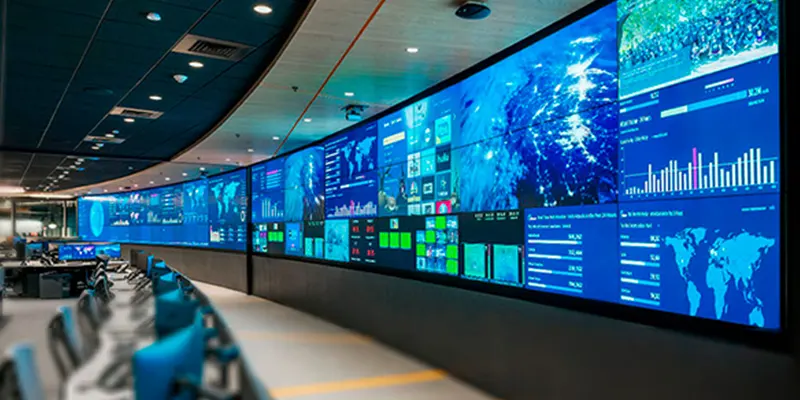
Corporate Environments and Control Rooms: Display real-time operational data, security feeds, financial dashboards, and collaborative content.
Transportation Hubs: Provide wayfinding, travel updates, advertising, and emergency information in airports, train stations, and metro systems.
Hospitality and Entertainment Venues: Enhance guest experiences in hotels, casinos, stadiums, theaters, and event spaces through immersive visuals and dynamic content.
These application scenarios demonstrate the adaptability and value of video wall signage across different business sectors.
6. Summary
In conclusion, video wall signage is a powerful digital display solution that transforms multiple screens into a single, high-impact visual platform. With superior image quality, flexible content control, and broad application potential, video walls enable organizations to communicate more effectively, enhance brand presence, and deliver engaging experiences to their audiences.
If you are considering a video wall signage solution or would like to learn more about how this technology can benefit your business, please feel free to contact us at any time. Our team is ready to provide professional consultation, system design, and customized solutions tailored to your needs.
FAQ
Q1: What is the difference between LCD and LED video walls?
A: LCD video walls use panels with ultra-narrow bezels and are ideal for indoor environments, while LED video walls offer seamless visuals, higher brightness, and better performance for large-scale or outdoor applications.
Q2: Can video wall signage display multiple content sources at the same time?
A: Yes. Video walls support multi-window layouts, allowing different content streams—such as videos, dashboards, and live feeds—to be displayed simultaneously.
Q3: How long do video wall systems typically last?
A: High-quality video wall displays usually have a lifespan of 50,000 hours or more, depending on usage, environment, and maintenance practices.