What Are the Disadvantages of Touch All in One Machine Marketing?
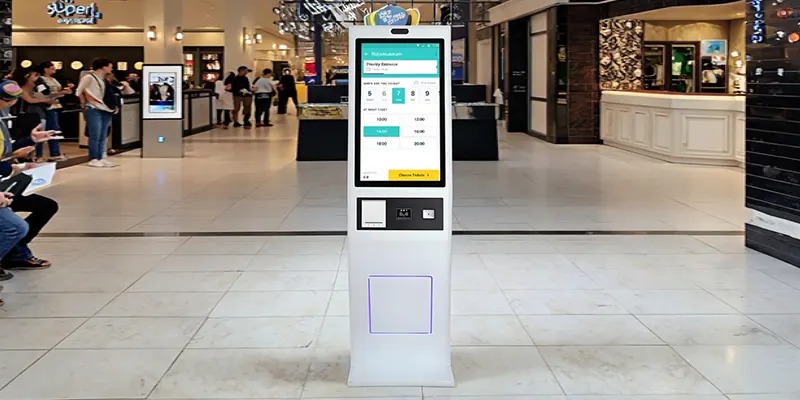
Touch all in one machine marketing refers to the use of integrated touchscreen devices that combine display, computing hardware, and interaction capabilities into a single unit. These machines are widely used for advertising, self-service, information display, wayfinding, ordering, and customer engagement in retail stores, offices, exhibitions, hospitals, and public spaces.
Unlike traditional displays or staff-driven interactions, a touch all in one machine relies entirely on technology to guide users, present content, and sometimes process transactions. While this approach appears efficient and modern, it also introduces a unique set of challenges that businesses often underestimate.
1. “The system is very easy to use for our customers.”
After deploying the touch all in one machine, many of our customers commented that the interface feels natural and intuitive. Even first-time users can quickly understand how to operate it without guidance.
The touch-based interaction reduces confusion and makes the overall experience smoother, which has noticeably increased user engagement and satisfaction.
2. “It helped us save space and keep the environment clean.”
One of the most common feedback points is how compact and clean the touch all in one machine looks. Since the screen, computer, and touch system are integrated into one unit, there is no need for extra devices or messy cables.
This has helped create a more modern and organized space, especially in areas where floor space is limited.
3. “Our brand looks more professional and consistent.”
After introducing the touch all in one machine, customers and visitors noticed a clear improvement in our brand presentation. All content is displayed in a unified style, ensuring consistent messaging across different locations.
This consistency has strengthened brand recognition and made the overall impression more professional and trustworthy.
4. “It reduced repetitive work for our staff.”
From an operational perspective, the touch all in one machine has significantly reduced the workload related to repetitive tasks such as information inquiries and basic service processes.
Staff members can now focus more on personalized customer service, while customers enjoy faster and more independent interactions.
5. “Customers can use it anytime without waiting.”
Many users appreciate that the touch all in one machine is always available. There is no need to wait for staff assistance, especially during peak hours or outside normal working times.
This 24/7 availability has improved service efficiency and made customer experiences more flexible and convenient.
6. “We gained valuable insights from user interaction data.”
Another major benefit mentioned by our team is data visibility. The touch all in one machine allows us to track how users interact with content, which features are most popular, and where users spend the most time.
These insights have helped us improve content layout, adjust marketing strategies, and better understand customer needs.
7. “It gives our space a modern and high-tech feel.”
Both customers and partners have commented on the modern appearance of the touch all in one machine. Its sleek design and interactive display create a strong sense of innovation.
This modern look has enhanced the perceived value of our services and reinforced our image as a forward-thinking brand.
Frequently Asked Questions (FAQs)
1. Is a touch all in one machine suitable for small businesses?
While effective, touch all in one machine solutions can be costly and may not suit small businesses with limited budgets or technical support.
2. Can touch all in one machines replace human staff?
They can reduce repetitive tasks but still require human oversight for maintenance, support, and complex customer interactions.
3. Do users prefer touch all in one machines?
User acceptance varies by age, context, and task complexity. Some users enjoy self-service, while others still prefer human assistance.
Conclusion
Touch all in one machine marketing offers a powerful blend of interactivity, efficiency, and modern design. When implemented strategically, it can enhance customer engagement, strengthen branding, and provide valuable data insights. However, it is not a universal solution. Success depends on careful planning, realistic budgeting, thoughtful design, and the integration of human support alongside technology.
When used as a complement rather than a replacement, a touch all in one machine can become a valuable asset rather than an operational burden.