
How Digital Road Signs Improve Communication in Smart Cities?
Digital road signs are changing the way cities communicate with drivers in ways that feel almost futuristic. Instead of relying on fixed, unchanging boards, these systems use LED displays and connected technologies to deliver real-time information directly to road users. Imagine driving through a busy city and seeing a sign that updates instantly to warn you about traffic ahead, road closures, or sudden weather changes. That’s the power of digital signage—it turns passive information into active communication.
1. The Function of Digital Road Signs in Modern Traffic Systems
In modern smart cities, nothing operates in isolation. Traffic lights talk to sensors, navigation apps pull data from city systems, and digital road signs serve as the visible layer of this entire network. They act as the interface between complex data systems and everyday drivers, translating raw information into simple instructions that anyone can understand.
The integration also extends to public safety systems. Emergency services can use digital signs to quickly communicate important information during incidents, such as accidents or natural disasters. This ensures that drivers receive accurate guidance in critical situations, reducing panic and improving response times.
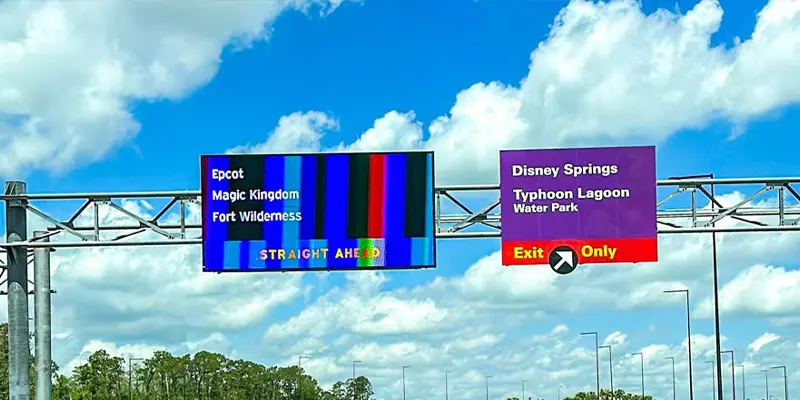
2. Types of Digital Road Signs
Variable Message Signs (VMS)
Variable Message Signs are the most common type of digital road signage. These large electronic boards can display a wide range of messages, from traffic updates to safety warnings. Their versatility makes them ideal for highways and busy urban roads.
Vehicle-Activated Signs (VAS)
Vehicle-Activated Signs are designed to respond to specific driver behaviors. For example, they can detect when a vehicle is speeding and display a warning message. This targeted approach makes them highly effective at influencing driver behavior.
Portable and Temporary LED Signs
Portable LED signs are often used in construction zones or temporary events. They are easy to set up and can be updated remotely, making them a flexible solution for changing conditions.
3. Applications in Urban Environments
Smart Highways and Intersections
Digital road signs play a key role in smart highways and intersections. They help manage speed limits, lane usage, and traffic flow, ensuring that roads operate efficiently even during peak times.
Construction Zones and Emergencies
In construction zones, digital signs provide up-to-date information about lane closures and detours. During emergencies, they can quickly relay critical instructions, helping drivers navigate safely.

Conclusion
Digital road signs are transforming communication in smart cities by making it dynamic, responsive, and highly effective. They bridge the gap between infrastructure and drivers, ensuring that information is always accurate and timely. As cities continue to evolve, these systems will become even more advanced, paving the way for safer, smarter transportation networks.
FAQs
1. What makes digital road signs better than traditional signs?
They provide real-time updates and adapt to changing conditions, making communication more effective.
2. How do digital road signs reduce traffic congestion?
They guide drivers to alternative routes and manage traffic flow dynamically.
3. Are digital road signs environmentally friendly?
Yes, they help reduce fuel consumption by improving traffic flow and minimizing idling.
4. Can digital road signs work in bad weather?
Yes, LED displays ensure high visibility even in poor weather conditions.
5. What is the future of digital road signage?
It includes AI integration, predictive systems, and compatibility with autonomous vehicles.