
How We Helped a Shopping Mall in Southeast Asia Solve Customer Navigation Issues with Best Digital Signage?
Navigating a busy shopping mall can often feel like trying to solve a maze blindfolded. Shoppers can easily get lost, miss stores they’re interested in, or waste time wandering aimlessly, which impacts their overall experience. This problem becomes even more pronounced in sprawling malls across Southeast Asia, where cultural diversity and multilingual visitors add layers of complexity. Our journey with one particular shopping mall illustrates how best digital signage can transform customer navigation from a frustrating ordeal into an effortless, engaging journey. By addressing navigation challenges strategically, we helped the mall enhance visitor satisfaction, increase foot traffic to stores, and even improve sales conversions.
Modern malls are not just shopping centers—they are experiences. Visitors expect convenience, speed, and personalized guidance, especially in mega malls that house hundreds of outlets, food courts, and entertainment zones. Traditional static best digital signage often falls short, providing either outdated information or insufficient guidance. With best digital signage, we saw an opportunity to create dynamic, interactive, and real-time wayfinding solutions that not only directed shoppers efficiently but also elevated their overall mall experience.
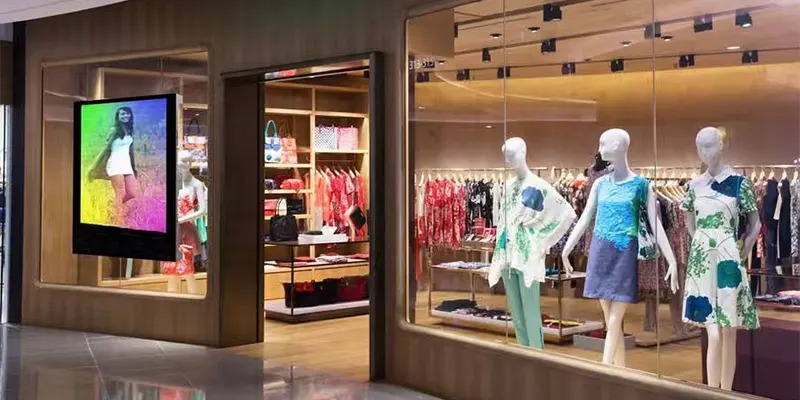
What Is the Mall's Challenges?
The shopping mall faced a series of challenges that made navigation frustrating and inefficient for visitors. Its sprawling, multi-level layout included interconnected corridors, multiple entrances, and zones dedicated to diverse categories like fashion, electronics, dining, and entertainment. For a first-time visitor—or even a returning shopper—the complexity could be overwhelming, leading to confusion and wasted time. Traditional static signage, such as posters, wall-mounted directories, and floor maps, was insufficient for addressing these challenges. These signs were often outdated, cluttered, or difficult to interpret, and they lacked the ability to provide real-time updates for store relocations, new openings, promotions, or temporary closures due to renovations.
This confusion didn’t just inconvenience shoppers—it also had tangible business consequences. Retailers reported missed opportunities as visitors bypassed stores they could not find, and overall foot traffic in certain areas of the mall was inconsistent. Moreover, frustrated customers were more likely to leave early or return less frequently, affecting long-term loyalty and brand perception. The mall’s management realized that relying solely on traditional signage was no longer sustainable in a modern, fast-paced retail environment. To improve both the shopping experience and operational efficiency, they needed an innovative, interactive solution capable of providing real-time guidance, enhancing engagement, and creating a smoother, more enjoyable journey for every visitor.
Why Navigation Matters for Customer Experience?
Navigation plays a crucial role in shaping how customers perceive and interact with a shopping mall. When visitors can easily find their desired stores, restaurants, or facilities, they feel more relaxed and in control, which naturally leads to a more enjoyable experience. On the other hand, confusion and disorientation can quickly create frustration, causing shoppers to cut their visits short or even leave without making purchases. In a competitive retail environment, even small inconveniences like unclear directions can influence whether a customer chooses to return.
Good wayfinding also directly impacts dwell time and spending behavior. When shoppers spend less time figuring out where to go, they have more time to browse, explore new stores, and engage with promotions. This not only benefits individual retailers but also boosts the overall performance of the mall. Clear, intuitive navigation—especially through best digital signage and interactive maps—helps guide visitors seamlessly, encourages discovery, and creates a smoother journey from entry to checkout.
Ultimately, effective navigation transforms a mall visit from a potentially stressful task into a pleasant and efficient experience, increasing customer satisfaction, loyalty, and the likelihood of repeat visits.
What Is the Mall's Needs?
Foot Traffic Analysis and Pain Points
Before implementing any best digital signage solution, we embarked on an extensive foot traffic analysis to truly understand how visitors moved throughout the mall. By combining data from advanced sensors, overhead cameras, and historical visitor patterns, we were able to map out high-density zones, common congestion points, and areas where shoppers frequently paused or sought help. This detailed mapping revealed surprising insights: certain hallways and intersections were far busier than anticipated, while some areas remained underutilized, highlighting inefficiencies in how people navigated the space. Armed with this information, we could strategically plan signage placement to ensure maximum visibility and practical guidance, rather than merely decorating the mall with screens.
Customer Feedback and Survey Insights
In addition to analyzing movement patterns, gathering direct input from shoppers was critical. We conducted surveys and interviews to understand their expectations and frustrations when navigating the mall. The results were enlightening. Many visitors emphasized the need for clear, intuitive maps that could quickly guide them to their destinations without requiring staff assistance. They also wanted real-time information about store locations, promotions, and temporary closures, highlighting the limitations of Best digital signage.
Language diversity was another major consideration, particularly in a Southeast Asian mall with both local shoppers and international tourists. Visitors requested multi-language options, ensuring that everyone—regardless of their native tongue—could navigate independently. Interestingly, the feedback also showed generational differences: younger visitors were drawn to interactive touchscreen kiosks that allowed them to search and customize routes, while older demographics preferred simpler, legible designs with minimal distractions. Balancing these needs became a core part of the system’s design, ensuring that the best digital signage solution was inclusive, user-friendly, and effective for all types of shoppers.
The Functions of Best Digital Signage
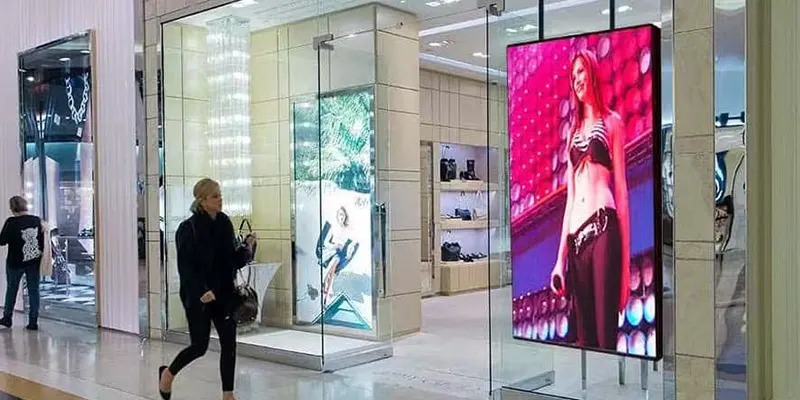
Best digital signage encompasses a wide range of display technologies, from LED screens to touchscreen kiosks. It allows malls to deliver dynamic content, including advertisements, announcements, and crucially, wayfinding information. Unlike static signs, best digital signage can be updated instantly, respond to user interactions, and integrate with mobile applications or loyalty programs.Best digital signage provides an engaging, user-controlled experience, allowing visitors to search for stores, plan routes, and explore promotions. Best digital signage, while cheaper, cannot adapt to changing layouts or user needs. By focusing on interactive solutions, we empowered shoppers to take control of their navigation, reducing frustration and enhancing satisfaction.
Enhancing User Experience
Interactive Maps and Wayfinding
Visitors could now search for stores, services, or amenities with a few taps, receiving step-by-step directions. Smart algorithms suggested the shortest routes, factoring in crowd density and elevator locations, creating a frictionless navigation experience.
Multilingual Support
Given the mall's international visitor base, signage offered multiple language options, including English, Chinese, Malay, and Thai. This inclusive approach ensured all visitors could navigate independently, boosting satisfaction.
Accessibility Features
We also considered visually impaired and mobility-challenged visitors, implementing screen readers, high-contrast displays, and wheelchair-accessible route planning. These features demonstrated the mall’s commitment to inclusive design.
Conclusion
This project proves that customized best digital signage effectively resolves navigation issues for Southeast Asian shopping malls. By deploying interactive wayfinding kiosks, multi-language dynamic maps and real-time directional displays, we solved the mall’s core pain points of confusing layouts and poor guidance. The solution not only reduced customer complaints and improved satisfaction, but also boosted foot traffic to underperforming stores, while enabling seamless promotion updates. It serves as a strategic tool to enhance the smart retail experience and drive business growth for malls in the region.
FAQs
1. What navigation problems did the mall face?
The mall had outdated static best digital signage, confusing layouts, and lacked multi-language support, leading to frequent customer complaints about getting lost.
2. What best digital signage solutions were used?
We installed interactive touchscreen kiosks, dynamic directional displays, and multi-language 3D interactive maps with real-time route guidance.
3. What results did the mall achieve?
Customer navigation complaints dropped significantly, visitor dwell time and foot traffic to hidden stores increased notably.
4. Is the solution easy to maintain?
Yes, the cloud-based CMS allows staff to update content remotely without professional technical skills.
5. Can the solution be scaled to other malls?
Absolutely, it is highly customizable and scalable to fit malls of different sizes and Southeast Asian markets.