
Using Interactive Signage in Company Meeting: Improve Office Efficiency
Interactive signage has become an integral part of modern office settings, particularly in company meetings. By incorporating digital displays and interactive touchpoints, businesses can enhance communication, streamline processes, and improve overall office efficiency. Interactive signage has the ability to display real-time data, manage schedules, and offer interactive interfaces that foster collaboration. This paper explores how interactive signage is reshaping office dynamics and contributing to more productive meetings and efficient work environments. The rise of this technology has revolutionized the way teams communicate during conferences, providing instant access to resources and enabling quick adjustments during meetings. Through this paper, we aim to discuss the ways in which interactive signage improves office efficiency and enhances productivity during company meetings.

Benefits of Interactive Signage in Company Meetings
One of the primary advantages of interactive signage in company meetings is its ability to improve communication and streamline workflows. Traditional whiteboards and paper-based agendas often lead to inefficiencies, as updates or changes require time-consuming manual efforts. Interactive signage eliminates these barriers by offering a centralized platform for sharing documents, schedules, and presentations. Participants can easily interact with the display to navigate through meeting agendas, view supporting documents, or participate in live polls. This digital solution also helps businesses make real-time adjustments during meetings, ensuring that discussions stay on track and all participants are on the same page. As a result, the overall efficiency of the meeting is improved, and attendees can focus more on productive discussion rather than on technical disruptions or organizational issues.
How Interactive Signage Facilitates Better Communication?
Effective communication is a cornerstone of successful meetings, and interactive signage plays a pivotal role in achieving this goal. Instead of relying on static presentations, interactive screens allow for fluid and dynamic discussions, with participants able to modify, add, or annotate content directly on the display. This level of interaction fosters collaboration, as it provides a hands-on approach to problem-solving and idea generation. Furthermore, interactive signage can integrate with other office tools such as video conferencing platforms, document management systems, and collaborative software, creating a seamless communication flow. The ability to instantly access and share information enhances the clarity of discussions, ensuring that all stakeholders are well-informed and actively engaged in the conversation. In this way, interactive signage acts as a communication hub that promotes more effective and meaningful interactions during meetings.
Applications of Interactive Signage in Meeting Rooms
Enhancing Presentation Delivery
Incorporating interactive signage into presentations enhances the experience by providing visual appeal and interactivity. Instead of using traditional slide decks, presenters can engage with their audience through live demos, real-time data displays, and multimedia content. Interactive signage allows presenters to control the flow of the presentation by tapping on the screen or making annotations directly on the display. This level of engagement keeps the audience’s attention focused, making the content more memorable and impactful. Additionally, the use of digital displays enables more precise control over the presentation, allowing for smooth transitions between topics or slides. The visual dynamism created by interactive signage fosters a more engaging environment, making meetings feel less formal and more collaborative.
Scheduling and Real-Time Updates
Another application of interactive signage in company meetings is its ability to manage schedules in real time. Traditional methods of scheduling meetings—such as printed calendars or email invitations—can sometimes lead to confusion or last-minute changes. Interactive signage solves this issue by offering a digital scheduling system that is updated instantly. Meeting schedules are displayed on digital boards and can be easily accessed and edited by participants or administrators. This ensures that everyone is informed of any changes to the agenda or timing, reducing the chances of confusion or wasted time. Moreover, interactive signage can automatically adjust room schedules based on availability and ensure that meeting spaces are fully optimized for efficiency.
Collaboration Tools and Brainstorming Sessions
One of the most powerful features of interactive signage is its ability to enhance collaboration during meetings. By using digital boards with touch interfaces, participants can write, draw, and share ideas in real time, creating a dynamic brainstorming environment. This capability helps teams quickly capture ideas, organize thoughts, and visualize complex concepts, resulting in a more productive and efficient meeting. Interactive signage also allows for the integration of collaborative software, enabling teams to work on shared documents, make revisions on the fly, and contribute to discussions with greater ease. The interactive nature of these displays makes them ideal for workshops, strategy sessions, and collaborative decision-making processes, driving creativity and innovation.
Improving Data Visualization and Decision Making
Data-driven decisions are at the heart of many corporate meetings, and interactive signage offers a powerful tool for visualizing complex data in an easy-to-understand format. Interactive displays allow meeting participants to view real-time analytics, adjust variables, and instantly see the effects of those changes. This level of data interaction empowers teams to make more informed decisions quickly, without the delays caused by traditional methods of presentation. Whether it’s sales performance metrics, project timelines, or budget forecasts, interactive signage brings data to life by offering visually appealing and interactive graphs, charts, and dashboards. This not only makes it easier to understand key metrics but also accelerates decision-making, leading to more effective and efficient meetings.
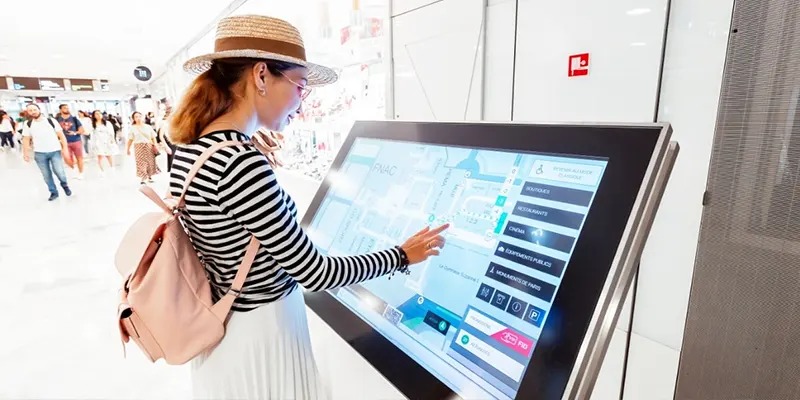
How Interactive Signage Improves Office Efficiency?
Streamlined Communication Across Teams
Efficient communication is crucial to office productivity, and interactive signage serves as an effective medium for real-time collaboration and information sharing. By replacing static communication tools such as bulletin boards or paper notices, interactive signage provides employees with constant access to the most up-to-date information. With features such as live messaging, instant notifications, and interactive agendas, teams can collaborate more effectively and stay informed throughout the day. Interactive signage also reduces the reliance on email communication, minimizing delays in response times and ensuring that everyone is on the same page. The ability to quickly share key information during meetings reduces miscommunication and ensures that team members are always aligned.
Time Management and Task Coordination
In the context of company meetings, time management can often be a challenge. However, interactive signage helps improve time management by providing meeting timers, agendas, and task lists that are visible to all participants. Real-time updates ensure that everyone is aware of the meeting’s progress and can adjust accordingly. Interactive signage also allows for the efficient tracking of action items, ensuring that tasks are completed within deadlines. With clear visual cues and reminders, teams can stay on track and focus on what needs to be done without wasting time on administrative tasks. This level of visibility ensures that all participants are equally accountable for their responsibilities, which ultimately improves overall office efficiency.
Reducing Redundancy and Overlaps
Redundancy and overlap in meetings can significantly reduce productivity. With interactive signage, meeting agendas and tasks are organized in a way that minimizes duplication of effort. The digital interface allows for the consolidation of information from various sources, helping teams avoid going over the same topics repeatedly. Moreover, because interactive signage offers real-time feedback and updates, any overlap can be immediately addressed, preventing unnecessary discussions. By providing clear agendas and timelines, interactive signage ensures that meetings remain focused and efficient, reducing the likelihood of redundant conversations or meetings that don't add value.
Optimizing Meeting Room Usage
One of the key ways interactive signage enhances office efficiency is through the optimization of meeting room resources. Digital displays integrated with room booking systems allow employees to easily see room availability and book spaces directly through the signage. Interactive signage helps reduce the confusion often associated with double-booking or unutilized spaces. Additionally, real-time updates ensure that any changes to room schedules are immediately reflected, making it easier for teams to adapt to shifting demands. By automating room management and providing visibility into space utilization, interactive signage maximizes the productivity of office spaces, ensuring that meetings run smoothly and efficiently.

Conclusion
The integration of interactive signage in company meetings is proving to be a game-changer for businesses looking to improve office efficiency. By providing real-time data, enhancing communication, and fostering collaboration, interactive signage helps teams achieve more in less time. From streamlining meeting schedules to improving data visualization, the benefits of this technology are vast and impactful. As more companies adopt digital solutions for meeting management, interactive signage will continue to play a critical role in transforming office environments and driving productivity. The future of efficient and effective office meetings lies in the continued use and development of interactive, digital tools such as interactive signage, ensuring that businesses remain competitive and responsive to evolving needs.
FAQs
1. What is interactive signage in company meetings?
Interactive signage refers to digital displays that allow touch interaction, real-time updates, and collaborative features during meetings.
2. How does interactive signage improve communication?
It presents information dynamically, allows instant content changes, and keeps everyone aligned with clear visual updates.
3. Can interactive signage reduce meeting time?
Yes. It streamlines agendas, speeds up decision-making, and eliminates confusion caused by outdated or static materials.
4. Is interactive signage difficult for employees to use?
No. Most systems are designed with simple interfaces, making them easy for teams to learn and operate quickly.
5. Why should companies invest in interactive signage?
It increases efficiency, enhances collaboration, and creates a modern meeting environment that improves productivity.