
How Indoor Menu Boards Improve Ordering Experience and Brand Image?
In recent years, indoor menu boards have become an essential part of modern food service environments. From quick-service restaurants to cafés and food courts, digital menu boards are replacing traditional printed menus. This shift is not only about technology upgrades, but also about improving customer experience and strengthening brand perception. By delivering clear information, dynamic visuals, and flexible content updates, Indoor Menu Boards play a key role in how customers interact with a brand during the ordering process.
1. Enhancing Order Clarity and Speed
Indoor Menu Boards present menu items in a structured and visually clear format. High-resolution displays allow customers to quickly understand options, prices, and combinations, reducing confusion and hesitation at the counter. Compared to static menus, digital boards can highlight best-selling items, limited-time offers, or combo meals, guiding customers toward faster decisions and smoother order flow.
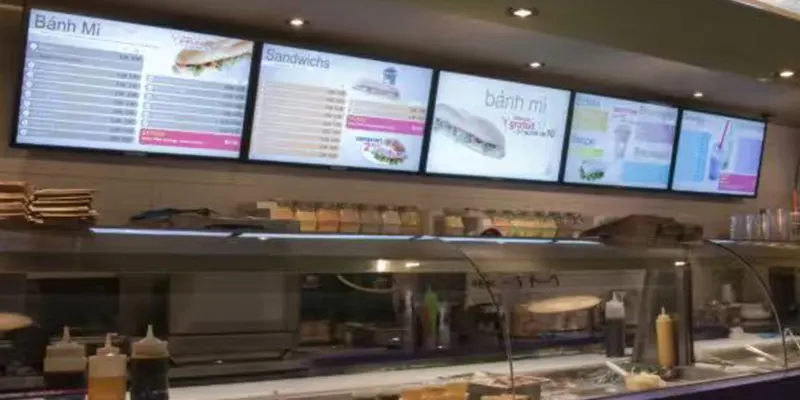
2. Creating a More Engaging Customer Experience
Dynamic content such as motion graphics, food videos, and subtle animations helps attract attention and maintain customer interest while they wait in line. This visual engagement makes the ordering experience feel more modern and interactive. A well-designed indoor menu boards can reduce perceived waiting time and improve overall satisfaction, especially during peak hours.
3. Strengthening Brand Image and Consistency
Indoor menu boards allow brands to maintain consistent visual identity across multiple locations. Colors, fonts, layout, and messaging can all be aligned with brand guidelines, creating a unified look. This consistency builds brand recognition and trust, particularly for chain restaurants and franchises operating in competitive markets.
4. Flexible Content Management and Promotions
One of the biggest advantages of indoor menu boards is flexibility. Prices, items, and promotions can be updated instantly without reprinting costs. Seasonal menus, day-part promotions, or local specials can be displayed at the right time, helping businesses stay relevant and responsive to customer preferences.
5. Supporting Upselling and Revenue Growth
Strategic placement of high-margin items, add-ons, or upgrades on indoor menu boards encourages upselling in a subtle way. Visual cues and clear grouping of items make it easier for customers to consider additional purchases, contributing to higher average order values without increasing pressure on staff.

6. Conclusion
Indoor Menu Boards are more than just digital replacements for printed menus. They enhance ordering efficiency, improve customer engagement, and reinforce brand image. For food service businesses looking to modernize operations and create a better in-store experience, investing in well-designed indoor menu boards is a practical and scalable solution.
FAQ
1. What types of businesses benefit most from indoor menu boards?
Quick-service restaurants, cafés, food courts, and casual dining venues benefit the most, especially those with frequent menu updates or promotions.
2. Are indoor menu boards difficult to manage?
With modern content management systems, updating menus and visuals is simple and can often be done remotely.
3. Can indoor menu boards support multiple languages?
Yes, digital menu boards can easily switch between languages or display bilingual content based on location or time.
4. Do indoor menu boards really increase sales?
Many businesses see improved order speed and higher average order value due to better visibility and strategic product placement.