
Before and After: How a Downtown Business District Transformed with Outdoor Digital Advertising
Not long ago, this downtown business district felt like it was slowly fading into the background. Shops were open, cafés brewed great coffee, and offices bustled during weekdays—but something was missing. The streets lacked energy. Foot traffic was declining, and static billboards blended into the urban noise. Then came a bold decision: invest in outdoor digital advertising. What followed was nothing short of a visual and economic transformation
1. What Is Outdoor Digital Advertising?
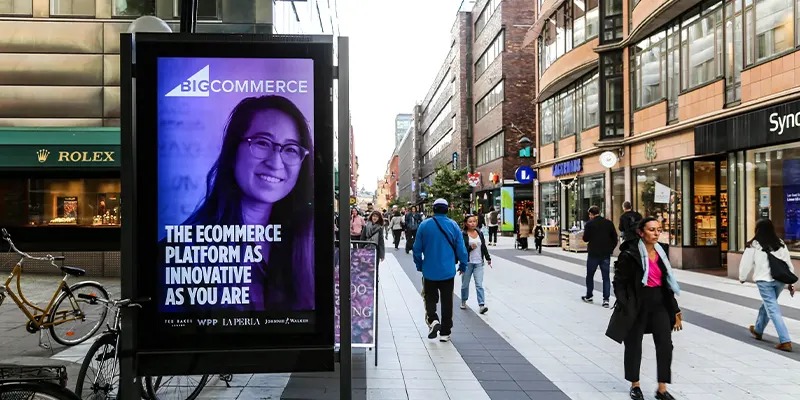
Outdoor digital advertising uses LED or LCD screens placed in public spaces to display dynamic content. Think of it as traditional outdoor advertising—but with a pulse. These screens rotate ads, display videos, show real-time updates, and even react to the time of day or weather.
Why Cities Are Adopting It Rapidly
Cities love it because it’s flexible, measurable, and modern. Businesses love it because it grabs attention instantly. And people? They love it because it makes streets feel alive.
2. The “Before” Scenario: Challenges Facing the Downtown District
Declining Foot Traffic
Shoppers were choosing malls and online stores over downtown walks. Less foot traffic meant fewer impulse purchases and quieter streets.
Outdated Static Billboards
Old posters faded under the sun. Messages stayed the same for months. People stopped noticing them altogether.
Low Brand Visibility for Local Businesses
Small businesses struggled to stand out. Advertising options were expensive and limited.
Impact on Small and Medium Businesses
For local stores, visibility equals survival. Without effective promotion, many were barely staying afloat.
3. Why Change Was Necessary
The downtown business district could no longer rely on traditional advertising to attract attention. Static signs were easy to ignore, and consumer behavior had shifted toward visually engaging, digital experiences. With shoppers spending more time online and choosing modern shopping centers over city streets, downtown businesses faced growing competition.
Outdoor digital advertising offered a way to stand out again. It enabled real-time messaging, stronger visual impact, and greater flexibility, helping the district reconnect with visitors and reposition itself as a modern, attractive destination.
4. Planning the Transformation
The transformation began with clear goals and careful planning. City leaders and business owners worked together to align on objectives such as boosting foot traffic, improving visibility, and enhancing the street experience. Collaboration helped address concerns early and ensured the project met both commercial and community needs.
Digital screens were strategically placed in high-traffic areas to maximize impact while respecting city regulations on brightness and content. This thoughtful approach created a solid foundation for a smooth rollout and long-term success.
5. The Installation Phase
Screen Types and Sizes
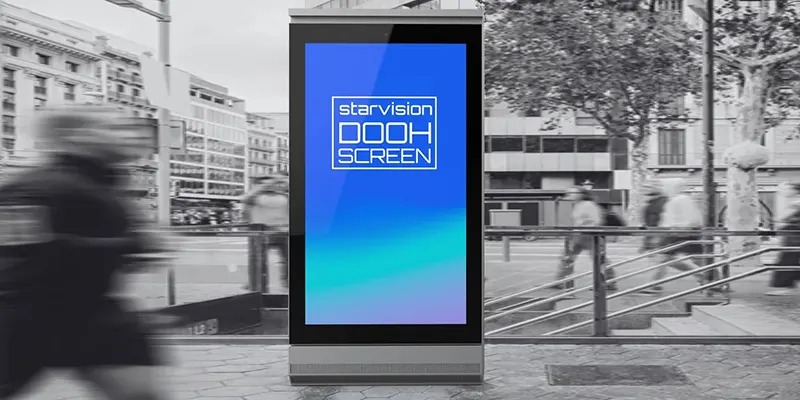
The district used a mix of screen types and sizes to match different locations and viewing distances. Large LED screens were placed in plazas and major intersections to attract attention and showcase high-impact campaigns. Smaller displays were installed along sidewalks and building facades for closer viewing and timely promotions.
This balanced approach ensured strong visibility while keeping the streets visually organized and accessible for businesses of all sizes.
Technology and Connectivity
The new digital displays rely on fast, reliable networks and smart software, ensuring content updates happen instantly. Cloud-based management allows remote control, while advanced connectivity options make integration seamless across multiple screens.
Energy Efficiency and Sustainability
Modern screens consumed less power and adjusted brightness automatically, keeping sustainability in check.
6. The “After” Scenario: A New Visual Identity
Brighter Streets and Modern Appeal
Suddenly, downtown felt vibrant. Lights moved. Colors popped. The district looked modern, confident, and inviting.
Real-Time, Dynamic Content
Morning coffee ads gave way to lunch specials, then evening events. Content finally matched the rhythm of the city.
7. Consumer Experience: What Changed for Visitors
Better Navigation and Information
Screens displayed maps, parking info, events, and public announcements. Downtown became easier to explore.
Emotional Engagement Through Visuals
Motion, video, and storytelling created emotional connections. The district felt alive, not transactional.
8. Analytics and Performance Metrics
With digital outdoor advertising, businesses can track real-time engagement, including impressions, clicks, and interaction rates. Advanced analytics help measure which content resonates most with audiences, the optimal times for displaying ads, and location-based performance. These insights allow data-driven decisions, ensuring campaigns are more effective and ROI is maximized.
ROI for Businesses and the City
The transformation delivers tangible benefits for both local businesses and the city itself. Businesses see increased foot traffic, higher sales, and improved brand visibility thanks to eye-catching digital displays. Meanwhile, the city benefits from a more modern, vibrant downtown that attracts tourists and investors. Over time, these improvements contribute to higher property values, economic growth, and a stronger sense of community pride.
9. Conclusion
The transformation of this downtown business district proves one thing clearly: outdoor digital advertising isn’t just about ads. It’s about energy, identity, and connection. Before, the streets whispered. After, they speak—brightly, boldly, and with purpose.
10. FAQs
1. Is outdoor digital advertising suitable for small businesses?
Absolutely. Flexible pricing and shared ad slots make it accessible and cost-effective.
2. Does digital signage cause visual pollution?
When regulated properly, it enhances urban aesthetics rather than harming them.
3. How quickly can businesses see results?
Many report increased foot traffic within weeks of campaign launch.
4. Can content be updated in real time?
Yes, cloud-based systems allow instant updates anytime.
5. Is outdoor digital advertising energy-efficient?
Modern LED screens are designed to be highly energy-efficient and eco-friendly.