
From Traditional Ads to Outdoor Advertising Displays: Smart City Advertising Makeover
Advertising has evolved alongside society, technology, and consumer behavior. In the early days, brands relied on simple print ads, posters, and word-of-mouth to spread their messages. These methods worked in slower-moving markets, where information changed gradually and audiences had limited media choices. Over time, billboards, radio, and television expanded advertising’s reach, making it more visual and more persuasive.
Today, urban life moves at a much faster pace. People are constantly connected, and cities are becoming smarter through digital infrastructure and data-driven systems. As a result, advertising has shifted from static, one-way communication to dynamic, interactive experiences. This evolution reflects a broader change: ads are no longer just about visibility—they are about relevance, timing, and meaningful engagement within the modern city environment.
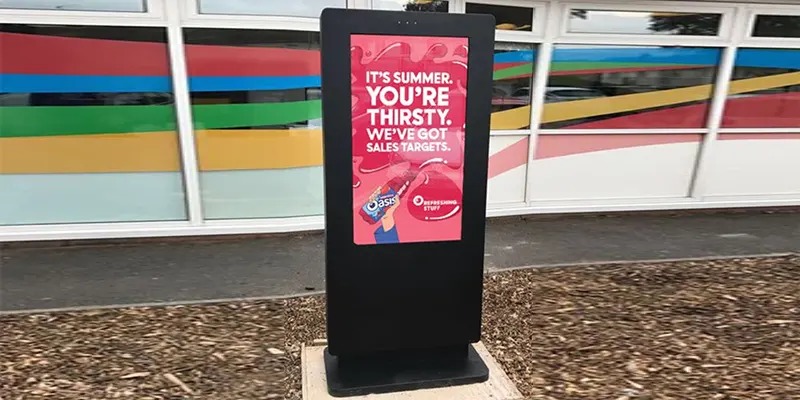
What is Traditional Advertising?
Traditional advertising refers to the classic methods brands used to communicate with audiences before the digital era. It focused on mass exposure through fixed formats such as newspapers, magazines, billboards, flyers, and television commercials. These channels were effective for building awareness because they reached large audiences with a single, consistent message.
However, traditional advertising was mostly one-way and static. Once an ad was printed or displayed, it couldn’t be easily changed or optimized. There was also limited feedback on how audiences reacted, making it difficult to measure real impact. While these methods laid the foundation for modern marketing, their lack of flexibility and data insights eventually pushed cities and brands toward smarter, more adaptive advertising solutions.
What Makes a City “Smart”?
A smart city uses advanced technology to improve how the city functions and how people experience daily life. By integrating digital tools into urban services, smart cities aim to reduce congestion, enhance safety, improve public services, and promote sustainability. The goal is not just technology for its own sake, but smarter decision-making that creates a more efficient, livable, and responsive urban environment.
1.Core Elements of Smart Cities
Smart cities are built on strong connectivity, continuous data collection, and intelligent automation. Sensors, connected devices, and software platforms work together to monitor traffic flow, energy usage, public transportation, and even waste management in real time. This constant stream of data allows city systems to adapt quickly, optimize resources, and respond effectively to changing conditions.
2.The Role of Digital Infrastructure
Digital infrastructure is the backbone of any smart city. High-speed networks, cloud platforms, and sensor systems enable seamless communication between devices and city services. Without this foundation, technologies like smart advertising displays would not function reliably. A robust digital infrastructure ensures real-time updates, system stability, and the ability to scale smart solutions across the entire city.
Smart City Advertising Explained
Smart city advertising refers to the use of connected advertising display outdoor and data-driven technologies to deliver relevant messages in urban environments. Unlike traditional ads, these campaigns adapt in real time based on factors such as location, time of day, audience movement, and city conditions. Advertising becomes more contextual, timely, and useful rather than purely promotional.
By integrating with smart city systems, digital ads can coexist with public information, wayfinding, and emergency alerts. This approach turns advertising into a dynamic communication tool that benefits brands, city authorities, and citizens alike—enhancing engagement while supporting smarter, more efficient urban communication.
Benefits of Advertising Display Outdoor in Smart Cities
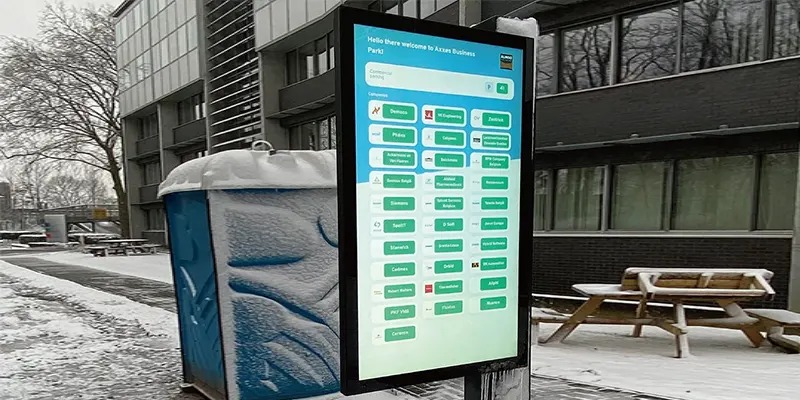
Cities and brands are rapidly adopting advertising display outdoor because they offer flexibility, efficiency, and measurable results. Unlike traditional signage, digital displays can update content instantly, support multiple campaigns, and integrate with smart city systems. This makes them a powerful tool for modern urban communication while maximizing the value of public spaces.
1.Enhanced Audience Engagement
Advertising display outdoor use motion graphics, video, and interactive elements to naturally draw attention in busy city environments. Dynamic content stands out among visual noise, making messages more memorable. When people engage with content rather than just glance at it, brand recall and message impact increase significantly.
2.Better Targeting and Personalization
Smart displays allow ads to be scheduled and customized based on location, time of day, weather, and audience behavior. This ensures messages feel relevant and timely, creating a more personal experience. Instead of broadcasting a single message to everyone, brands can deliver content that resonates with specific audiences.
3.Increased Revenue for Cities
Digital advertising displays enable cities to generate more revenue from the same physical space. Multiple advertisers can share one screen through scheduled rotations, increasing ad inventory without adding clutter. This creates a sustainable revenue model while keeping city environments clean and visually organized.
Use Cases of Smart Advertising Display Outdoor
Advertising display outdoor is widely used across modern cities because it fits naturally into high-traffic public environments. In transportation hubs like airports, subway stations, and bus terminals, digital displays provide ads alongside real-time travel updates and directions. This keeps travelers informed while capturing their attention.
In shopping districts and commercial areas, smart displays promote products, events, and special offers with dynamic visuals that influence purchasing decisions. Public spaces such as city squares and streets also benefit from large digital screens that combine advertising with community announcements, event promotions, and emergency messages, making them valuable tools for both brands and city authorities.

Conclusion
The transition from traditional advertising to smart advertising display outdoor reflects the broader transformation of modern cities. What were once static, one-way messages have become dynamic, data-driven communication tools that respond to real-world conditions. By integrating technology, connectivity, and sustainability, smart city advertising enhances urban experiences while delivering greater value to brands and municipalities. As cities continue to evolve, outdoor advertising displays will play an increasingly important role in shaping how information and messages are shared in public spaces.
FAQ
1. What is smart city advertising?
Smart city advertising uses connected advertising display outdoor to deliver real-time, data-driven ads and information in urban spaces.
2. How are advertising display outdoor different from traditional billboards?
They are digital, dynamic, and can update content instantly based on data and conditions.
3. Are smart advertising display outdoor eco-friendly?
Yes, they reduce paper waste and use energy-efficient technologies.
4. Do smart city ads collect personal data?
They typically use anonymous data and follow privacy regulations.
5. What is the future of advertising display outdoor?
Interactive, AI-powered, and programmatic advertising will define the next phase.