
How We Helped a Retail Supermarket Chain Reduce Checkout Queues with Self-Checkout Signage
In today’s fast-paced retail environment, checkout areas have become one of the biggest pressure points for supermarkets. Even well-designed stores struggle when customer traffic peaks, especially after work hours or on weekends. Shoppers expect speed and convenience, but long queues often lead to frustration and dissatisfaction, regardless of how good the shopping experience was inside the store.
Why Checkout Speed Matters More Than Ever?
Checkout speed directly affects how customers perceive a brand. A slow exit can overshadow competitive pricing, product variety, and even friendly service. Modern consumers value efficiency, and many are willing to switch stores simply to save time. For this supermarket chain, improving checkout speed was no longer optional—it was a business necessity.
What's the Client's Challenge?
Long queues during peak hours
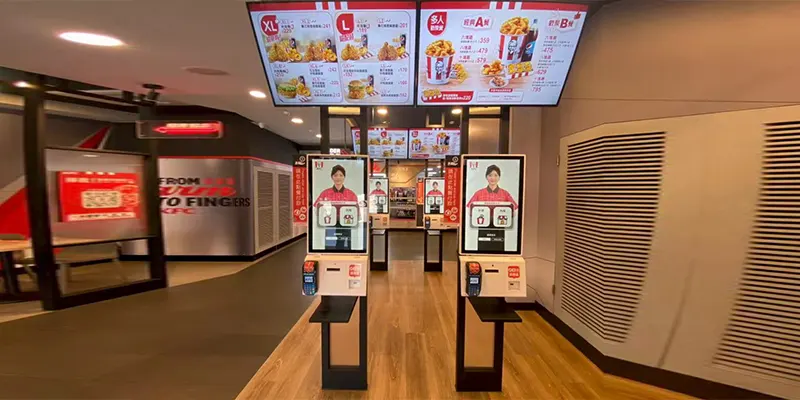
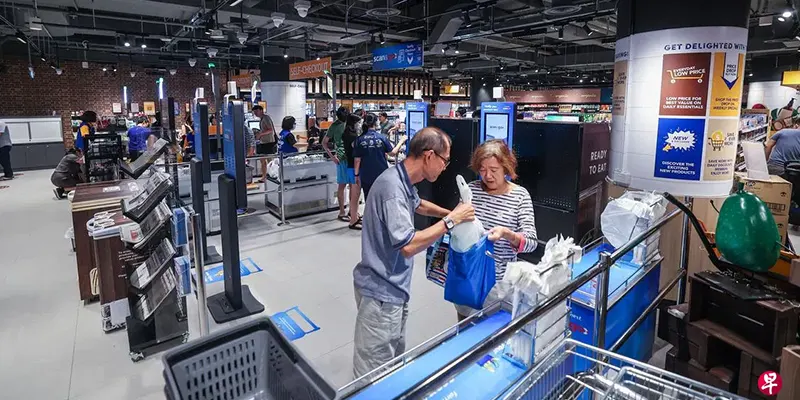
The supermarket chain experienced severe congestion during high-traffic periods. Traditional cashier lanes filled up quickly, while self-checkout stations remained underused. Customers tended to follow familiar habits, even when faster options were available nearby.
Customer frustration and abandoned carts
As queues grew longer, some shoppers became visibly impatient. In extreme cases, customers abandoned their carts altogether, leading to lost sales and wasted operational effort. These moments also increased stress levels for frontline staff.
Impact on brand perception
Over time, repeated checkout delays began to affect the brand’s image. Customers associated the store with inconvenience rather than efficiency, which posed a serious risk in a highly competitive retail market.
Why Self-Checkout Alone Wasn’t Enough?
Technology without guidance
Installing self-checkout machines was a step in the right direction, but technology alone didn’t solve the problem. Many customers were unsure whether self-checkout was suitable for them, especially older shoppers or first-time users. Without clear guidance, the machines appeared complex and intimidating, causing hesitation and slowing down decision-making at the checkout area.
In busy moments, even customers willing to try self-checkout often paused, looking around for reassurance or assistance. This hesitation created small delays that quickly added up, limiting the efficiency the technology was supposed to deliver.
Common customer mistakes at self-checkout
When customers attempted to use self-checkout without clear instructions, mistakes became frequent. Incorrect scanning, missed steps during payment, and uncertainty around error messages caused interruptions in the flow. Each interruption required staff intervention, which not only slowed down the self-checkout line but also pulled employees away from other responsibilities.
These repeated issues reduced customer confidence over time. Instead of viewing self-checkout as a faster option, many shoppers began to associate it with confusion and stress. This made it clear that without supportive signage, self-checkout technology could not reach its full potential.
The Benefits of Self-Checkout Signage
What self-checkout signage really means
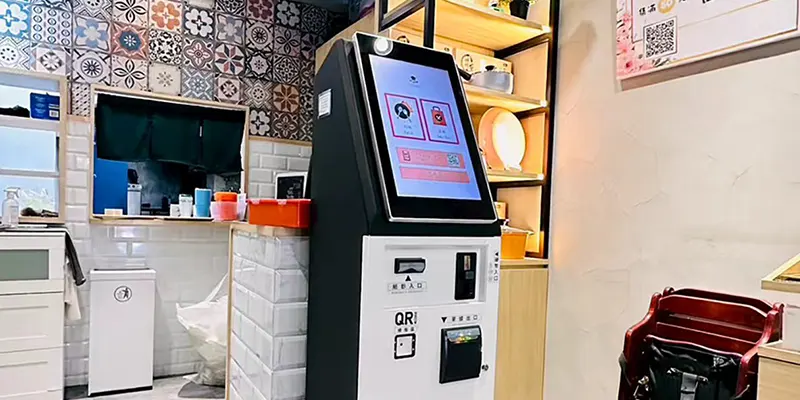
Self-checkout signage goes beyond basic directions. It acts as a silent assistant, guiding customers step by step, reducing hesitation, and building confidence. When done right, signage answers questions before customers even ask them.
Static vs digital signage
Static signage provides constant, reliable guidance, while digital signage adds flexibility and real-time messaging. Combining both allowed us to deliver clear instructions while adapting to changing store conditions.
Placement Strategy That Made a Difference
Entry-point guidance
We introduced clear, welcoming signage at key entry points, including store entrances and main aisles leading toward the checkout area. These signs helped customers understand early on that self-checkout was a fast and convenient option. By setting expectations at the beginning of the shopping journey, customers were more open to choosing self-checkout later, rather than defaulting to traditional cashier lanes out of habit.
This early exposure also reduced last-minute confusion near the checkout zone, as shoppers already knew where they were heading and what option suited their needs.
Queue-direction signage
Queue-direction signage played a crucial role in reducing congestion. Floor decals, overhead signs, and directional arrows subtly guided customers toward available self-checkout stations, preventing crowding around staffed lanes. Instead of forming one large, disorganized line, traffic was distributed more evenly across checkout options.
This approach improved overall flow and made the checkout area feel calmer and more structured, even during peak hours.
On-screen prompts at self-checkout kiosks
On-screen prompts at the self-checkout kiosks reinforced physical signage by providing real-time guidance. Simple messages such as step reminders and reassurance prompts helped customers move through the process smoothly. These prompts reduced hesitation, minimized errors, and gave customers confidence that they were using the system correctly.
As a result, transactions became faster and required less staff intervention, maximizing the efficiency of the self-checkout area.
Digital vs Printed Signage – What We Used
Benefits of digital signage
Digital signage allowed real-time updates, such as highlighting available self-checkout stations during peak times. This flexibility significantly improved responsiveness.
Where printed signage still worked best?
Printed signage offered consistent guidance near kiosks, ensuring instructions remained visible without relying on screen changes or power availability.
Conclusion
Reducing checkout queues doesn’t always require massive upgrades. In this case, strategic self-checkout signage transformed existing technology into a seamless experience. By guiding customers clearly and confidently, the supermarket chain improved efficiency, satisfaction, and overall store flow. Sometimes, the fastest way forward is simply showing people where to go.
FAQs
1. What is self-checkout signage?
Self-checkout signage refers to visual communication tools designed to guide customers through the self-checkout process. This includes directional signs, instructional graphics, on-screen prompts, and digital displays. Effective self-checkout signage reduces confusion, improves confidence, and helps customers complete transactions more quickly and accurately.
2. Can signage really reduce checkout queues?
Yes, signage plays a critical role in reducing checkout queues. Clear guidance encourages customers to choose self-checkout earlier, balances traffic between cashier lanes and self-service stations, and minimizes hesitation during the checkout process. When customers know exactly where to go and what to do, overall wait times decrease significantly.
3. Is digital signage better than printed signage for self-checkout areas?
Both digital and printed signage have important roles. Digital signage offers flexibility, allowing stores to update messages in real time based on traffic conditions. Printed signage, on the other hand, provides consistent, always-visible instructions near kiosks. The most effective strategy often combines both formats.
4. How quickly can a store see results after installing self-checkout signage?
Most stores begin to notice improvements within a few weeks. Reduced wait times, higher self-checkout usage, and fewer customer questions are often immediate indicators that the signage is working. Continuous optimization can further improve results over time.
5. Does self-checkout signage reduce the need for staff assistance?
Yes, well-designed signage significantly reduces staff intervention. Clear instructions and prompts help customers resolve common issues independently, allowing staff to focus on customer service, restocking, and other value-added tasks rather than troubleshooting checkout errors