
Retail Store Interactive Digital Displays Project: Boosting Brand Interaction
Retail is no longer just about shelves, price tags, and checkout counters. Walk into a modern store today, and you’ll likely be greeted by glowing screens inviting you to touch, explore, and interact. This shift marks the rise of interactive digital displays—one of the most powerful tools redefining brand interaction in physical retail spaces.
Interactive digital displays transform passive shoppers into active participants. Instead of simply looking at products, customers engage with brands, stories, and experiences. And that’s exactly why retailers around the world are investing heavily in interactive digital display projects.
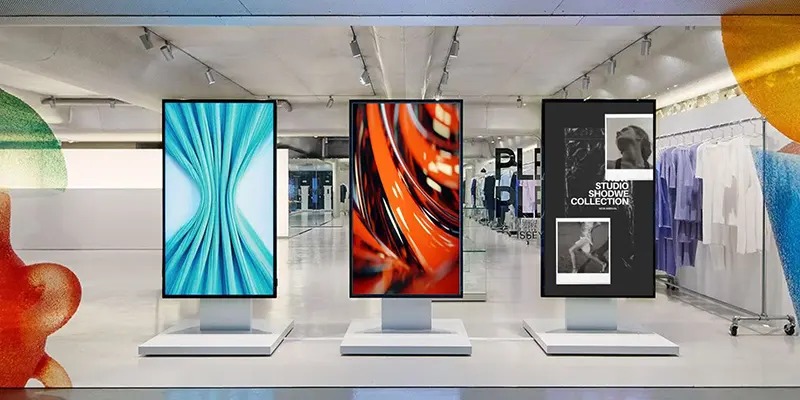
How Interactive Digital Displays Boost Brand Interaction
Encouraging Customer Engagement
Interactive digital displays capture attention by inviting shoppers to touch, explore, and participate rather than just observe. Features like product demos, interactive menus, and gamified content motivate customers to spend more time engaging with the brand, turning passive browsing into active involvement that strengthens emotional connections.
Creating Two-Way Communication
Unlike traditional signage, interactive displays allow brands and customers to communicate in real time. Shoppers can select preferences, explore personalized content, and receive instant responses. This dialogue helps brands better understand customer needs while making shoppers feel heard, valued, and more connected to the brand experience.
Touch, Gesture, and Voice Interactions
Multiple interaction methods such as touchscreens, motion sensors, and voice commands make interactive digital displays more accessible and engaging. These intuitive interactions create a natural user experience, reduce learning barriers, and add a sense of novelty, encouraging customers to interact longer and remember the brand more clearly.
Types of Interactive Digital Displays Used in Retail
Encouraging Customer Engagement
Interactive digital displays capture attention by inviting shoppers to touch, explore, and participate rather than just observe. Features like product demos, interactive menus, and gamified content motivate customers to spend more time engaging with the brand, turning passive browsing into active involvement that strengthens emotional connections.
Creating Two-Way Communication
Unlike traditional signage, interactive digital displays allow brands and customers to communicate in real time. Shoppers can select preferences, explore personalized content, and receive instant responses. This dialogue helps brands better understand customer needs while making shoppers feel heard, valued, and more connected to the brand experience.
Touch, Gesture, and Voice Interactions
Multiple interaction methods such as touchscreens, motion sensors, and voice commands make digital displays more accessible and engaging. These intuitive interactions create a natural user experience, reduce learning barriers, and add a sense of novelty, encouraging customers to interact longer and remember the brand more clearly.

Data Collection and Analytics Opportunities
Understanding Customer Behavior
Interactive digital displays collect valuable data such as touch interactions, dwell time, and content preferences. This information helps retailers understand how customers move, browse, and make decisions in-store, enabling brands to refine layouts, improve messaging, and deliver experiences that better match real customer behavior.
Real-Time Content Optimization
With live analytics, retailers can instantly adjust display content based on customer engagement, time of day, or store traffic. This flexibility ensures that promotions, product highlights, and messages remain relevant, timely, and effective, maximizing the impact of digital displays on customer interaction.
AI and Machine Learning Insights
AI and machine learning analyze large volumes of interaction data to identify patterns and predict customer preferences. These insights help brands personalize content, forecast demand, and continuously improve display performance, creating smarter, data-driven retail environments that adapt to customer needs in real time.
Future Trends in Retail Interactive Digital Displays
AI-Powered Personalization
AI-powered interactive displays will deliver highly personalized content based on customer behavior, preferences, and real-time data. By adapting messages, recommendations, and promotions instantly, retailers can create more relevant shopping experiences that increase engagement, strengthen brand relationships, and drive higher conversion rates.
Augmented Reality and Virtual Try-Ons
Augmented reality and virtual try-on technology allow customers to visualize products before purchasing. From trying on clothing and accessories to previewing furniture or cosmetics, these immersive experiences reduce uncertainty, boost confidence, and make in-store shopping more engaging and memorable.
Omnichannel Integration
Future interactive displays will seamlessly connect in-store experiences with online platforms, mobile apps, and social channels. This omnichannel integration ensures consistent messaging, enables click-and-collect services, and allows customers to continue their shopping journey across multiple touchpoints without losing context or personalization
Conclusion
Why Interactive Digital Displays Are the Future of Retail
Retail store interactive digital displays projects are more than just tech upgrades—they’re a strategic shift toward experience-driven commerce. By boosting brand interaction, these displays turn physical stores into dynamic environments where customers connect, explore, and engage. In a world where attention is the new currency, interactive digital displays help brands stand out, stay relevant, and build lasting relationships.
FAQs:
1. What is the main goal of interactive digital displays in retail?
To increase customer engagement and strengthen brand interaction through immersive experiences.
2. Are interactive digital displays suitable for small retail stores?
Yes, scalable solutions make them accessible for stores of all sizes.
3. How do interactive displays improve sales?
They increase dwell time, educate customers, and influence purchase decisions.
4. What technologies power interactive retail displays?
Touchscreens, sensors, AI analytics, cloud platforms, and content management systems.
5. Do interactive displays require constant maintenance?
Regular updates are needed, but modern systems are designed for easy management.
FEEDBACK
