
Why Are Retailers Becoming Increasingly Keen on Choosing Digital Signage For Their Stores?
Across global retail markets, Retail Digital Signage is becoming a central element of store modernization as brands work to improve customer communication and streamline daily operations. In an environment where competition intensifies and consumer expectations rise rapidly, retailers are adopting digital display solutions to deliver clearer messaging, enhance visual consistency, and bring more flexibility to in-store engagement.
1. Growing Market Confidence in Retail Digital Signage
The rise of Retail Digital Signage reflects a broader shift toward data-supported retail strategies. As brands expand their omnichannel presence, real-time coordination between online and physical touchpoints has become essential. Digital signage enables retailers to adjust campaigns with minimal delay, ensuring that promotional messages remain accurate and relevant. This responsiveness is strengthening market confidence, particularly among brands operating large store networks that require unified communication across regions.
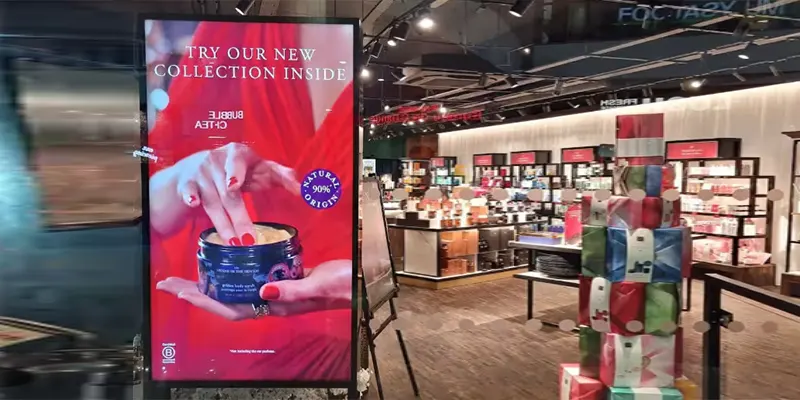
2. Customer Journeys Strengthened Through Retail Digital Signage
Modern consumers expect clarity and convenience throughout the shopping process. Retailers are using Retail Digital Signage to guide traffic flow, highlight product details, and simplify decision-making for shoppers who prefer quick, reliable information. Interactive displays are increasingly used in fashion, electronics, and grocery settings, where customers rely on visual cues to compare options or locate specific items. By reducing friction and improving clarity, digital signage is helping retailers build a more structured and supportive customer journey.
3. Operational Efficiency Reinforced by Retail Digital Signage
With rising labor costs and the need for greater agility in merchandising, retailers are turning to retail digital signage to update in-store content without relying on physical printing or manual replacement. Cloud-based control platforms have made it possible to coordinate changes instantly across locations, ensuring that stores maintain consistent branding and up-to-date information. This shift is reducing operational burdens, avoiding outdated promotional materials, and allowing teams to focus more on customer service and store presentation.
4. Strategic Modernization Driven by Retail Digital Signage
As retailers reassess long-term growth strategies, Retail Digital Signage is being positioned as part of a broader digital infrastructure that supports data analytics, inventory integration, and localized marketing. The ability to adjust content based on store traffic, seasonal trends, or regional interests allows brands to operate with greater precision. This alignment between technology and strategy is accelerating the modernization of physical stores while preserving the unique advantages of in-person retail.

Conclusion
The evolving retail landscape demands flexibility, speed, and clearer communication—qualities that Retail Digital Signage delivers consistently. As brands continue investing in digital transformation, signage systems are transitioning from optional enhancements to essential tools that support both daily operations and long-term competitiveness. With continued integration of analytics and automation, digital displays are expected to play an even greater role in defining how retail spaces function in the years ahead.
FAQ
Q1: Which retail sectors benefit most from Retail Digital Signage?
Fashion, grocery, convenience stores, electronics, beauty, and department stores observe the strongest impact on customer engagement and clarity.
Q2: How complex is the rollout process for Retail Digital Signage?
Most modern solutions use centralized, cloud-based platforms, requiring only basic installation at the store level.
Q3: Can Retail Digital Signage work with inventory or pricing systems?
Yes. Many platforms support connections to POS and inventory software, allowing automatic updates and synchronized pricing.
Q4: What measurable improvements can retailers expect?
Reduced printing expenses, faster campaign execution, improved message accuracy, and higher shopper interaction rates.
Q5: Is Retail Digital Signage viable for smaller businesses?
Yes. Scalable hardware options and flexible subscription models make it accessible for independent retailers and small chains.