
4 Reasons to Add Interactive Flat Panels to Your Classrooms
One of the most powerful tools gaining popularity in schools today is the Interactive Flat Panel (IFP). These sleek, touch-enabled screens are transforming the way students learn, making lessons more immersive and memorable. But why should you consider adding them to your classroom? Here are four compelling reasons.
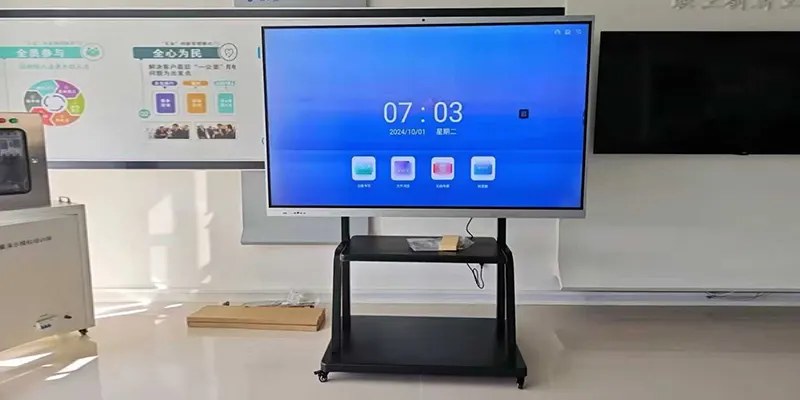
What is an Interactive Flat Panel?
An Interactive Flat Panel is essentially a giant touchscreen display designed for educational and professional environments. Unlike traditional whiteboards or projectors, these panels combine high-definition display, touch interactivity, and smart software to create an all-in-one teaching solution.
Key Features of Interactive Flat Panels
Multi-touch functionalityHigh-definition display (4K in many models)
Integrated software for lessons and collaboration
Wireless connectivity and screen sharing
Durable and easy-to-clean surfaces
How They Differ from Traditional Whiteboards?
Traditional whiteboards are passive tools—teachers write, students read. Interactive Flat Panels, however, are dynamic. They allow teachers to incorporate multimedia, annotate in real time, and even interact with students’ devices. This makes learning more active and engaging.
Reason 1: Enhances Student Engagement
Interactive Lessons That Capture Attention
Students today are digital natives. They are more likely to stay engaged when lessons involve interactive elements such as videos, simulations, and quizzes. Interactive Flat Panels provide a platform where these elements can be seamlessly integrated into teaching.
Encourages Participation and Collaboration
Touchscreen capabilities allow multiple students to work simultaneously on the board. Group activities, brainstorming sessions, and collaborative projects become more fun and inclusive, fostering a sense of teamwork and participation.
Reason 2: Supports Diverse Learning Styles
Visual and Auditory Learners Benefit
Whether your students are visual learners who grasp concepts through images and videos, or auditory learners who benefit from discussion and sound, Interactive Flat Panels cater to all. Teachers can play multimedia, display diagrams, and narrate lessons to suit different learning preferences.
Kinesthetic Learning Opportunities
Students can physically interact with the panel by dragging, drawing, or manipulating objects on the screen. This hands-on approach is perfect for kinesthetic learners who learn best through movement and touch.
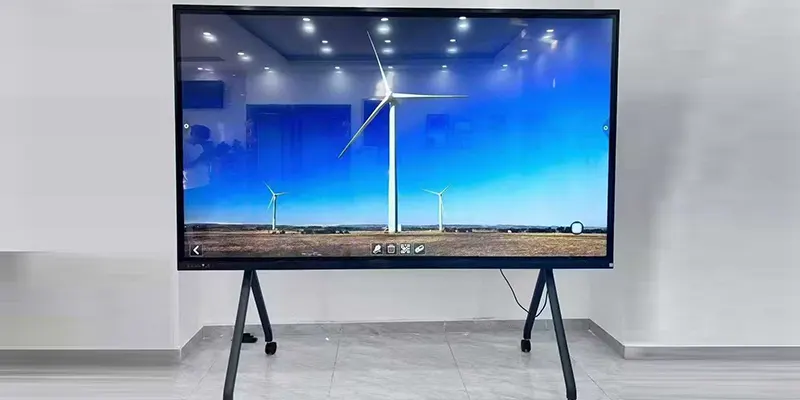
Reason 3: Simplifies Teaching and Lesson Planning
Easy Access to Digital Resources
Gone are the days of carrying heavy textbooks or printing endless worksheets. Interactive Flat Panels provide instant access to digital textbooks, online resources, and lesson materials. Teachers can display, annotate, and share content in real time, saving both time and effort.
Integration with Learning Management Systems
Many modern panels integrate with Learning Management Systems (LMS) like Google Classroom or Microsoft Teams. This makes it easy to assign homework, track student progress, and manage classroom activities from a single platform.
Reason 4: Prepares Students for a Tech-Driven World
Building Digital Literacy Skills
Digital literacy is no longer optional—it’s essential. Using Interactive Flat Panels regularly helps students develop tech skills they will carry into higher education and their careers, such as navigating software, collaborating online, and using digital tools effectively.
Familiarity with Future Workplace Tools
Many industries rely on interactive screens, collaboration software, and digital presentations. By learning with these tools early, students gain a head start and become comfortable using technology in professional settings.
How to Choose the Right Interactive Flat Panel?
Screen Size and Resolution
Bigger screens with high resolution (like 4K) are ideal for classrooms, ensuring visibility for all students and providing a crisp, clear display.
Software and Connectivity Options
Choose panels that are compatible with educational software and support wireless screen sharing. Consider touch responsiveness, annotation capabilities, and ease of integration with other devices.
Common Misconceptions About Interactive Flat Panels
“Too Expensive for Schools”
While some panels have a high initial cost, many models are budget-friendly. The long-term benefits—reduced printing costs, increased engagement, and improved learning outcomes—often outweigh the upfront investment.
“Difficult to Use”
Modern Interactive Flat Panels are designed with user-friendliness in mind. Teachers can quickly learn basic functions, and training sessions can ensure smooth adoption.
Tips for Implementing Interactive Flat Panels Successfully
Teacher Training and Support
Providing adequate training ensures that teachers feel confident using the technology. Support resources, tutorials, and workshops help maximize the panel’s potential.
Encouraging Student Interaction
Create lessons that involve students directly. Group activities, live polls, and interactive quizzes keep the classroom dynamic and ensure everyone is engaged.
Conclusion
Adding Interactive Flat Panels to classrooms isn’t just about technology—it’s about transforming the learning experience. From boosting engagement to supporting diverse learning styles, simplifying teaching, and preparing students for a tech-driven future, these panels offer undeniable benefits. If your goal is to create a modern, interactive, and effective learning environment, investing in an Interactive Flat Panel is a smart step forward.
FAQs
Q1: Are Interactive Flat Panels suitable for all grade levels?
Yes, they can be adapted for elementary, middle, and high school classrooms, as well as higher education environments.
Q2: How long do Interactive Flat Panels typically last?
With proper care, most panels last 7-10 years, making them a long-term investment.
Q3: Can students use their own devices with the panel?
Absolutely. Many panels support wireless screen sharing and device integration, allowing students to participate from tablets or laptops.
Q4: Do panels require internet access to function?
While many features are enhanced with internet access, basic annotation and interactive functions can work offline.
Q5: Are there training resources for teachers?
Yes, manufacturers often provide tutorials, webinars, and user manuals to ensure teachers are comfortable using the technology.