
How Does Hotel Digital Signage Work?
Hotel digital signage is more than just a modern display—it’s a smart communication tool that helps hotels deliver information, guide guests, and promote services in real time. From lobby screens to interactive kiosks, digital signage enhances the guest journey at every touchpoint.
What Is Hotel Digital Signage?
Hotel digital signage is a modern communication system that uses digital screens, dynamic content, and smart software to deliver information to guests in real time. Rather than relying on traditional static posters, hotels use screens that can display videos, interactive maps, live schedules, promotional messages, and more. This technology transforms ordinary screens into helpful tools that guide, inform, and engage guests. Whether it's a large LED display in the lobby or a compact touchscreen kiosk near the elevators, digital signage creates a seamless and visually appealing way to communicate with visitors. It becomes part of the hotel’s atmosphere, helping guests feel more connected and informed during their stay.
Why Hotels Are Switching from Static Boards to Digital Displays
Hotels are rapidly moving away from printed posters because they require frequent reprints, manual installation, and cannot be updated quickly. Hotel digital signage solves all these problems by allowing instant updates and eliminating printing costs. If event times change, a new promotion is added, or weather conditions shift, the hotel can push updates with just a few clicks. This makes operations smoother and more efficient. Additionally, digital screens offer a much more polished and modern appearance. Guests naturally pay more attention to bright, moving visuals, which means information is not only delivered faster but also absorbed more effectively. Hotels also benefit from increased branding opportunities and the flexibility to run targeted promotions throughout the day.
Key Components of a Hotel Digital Signage System
Display Screens
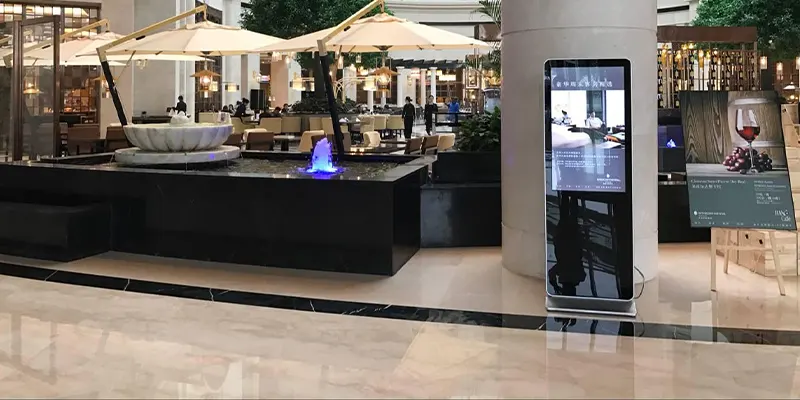
Screens come in all shapes and sizes depending on the hotel’s needs. In high-traffic areas like lobbies, hotels often use large-format LED displays that catch attention easily. For hallways or near meeting rooms, slimmer screens or door-mounted tablets are more common. Touchscreen kiosks are used for wayfinding or concierge information. Outdoor screens, designed to withstand weather conditions, display messages for people entering or walking by the hotel. The type of display chosen affects visibility, reliability, and overall guest experience.
Media Players
Media players are compact devices that sit behind or inside the screens. They receive instructions from the content management system and play the assigned media. Some players are simple plug-and-play devices, while others are more powerful and can handle animations, apps, or interactive features. The reliability of these players is crucial because they determine how smoothly the content runs. For hotels with multiple screens, media players ensure that each display shows exactly what it is supposed to, at the right time.
Content Management System (CMS)
The CMS is the heart of the digital signage network. It allows hotel staff to upload, schedule, organize, and manage content for every screen. A well-designed CMS is easy to use even for non-technical staff. It provides templates, playlists, scheduling features, and real-time analytics. Hotels can manage a single screen or hundreds of screens across multiple locations from one central dashboard. With cloud-based CMS platforms, managers can even update content from a tablet or laptop while off-site.
Benefits of Using Digital Signage in Hotels
Enhanced Guest Experience
Hotel digital signage provides guests with clear, visually appealing information right when they need it. Instead of searching for printed signs or waiting in line to ask staff simple questions, guests can quickly check screens for directions, menus, schedules, and updates. This reduces frustration and creates a smoother, more enjoyable stay. The vivid graphics and animations also make the hotel feel more modern and welcoming. In an age where travelers expect digital convenience similar to airports and shopping malls, digital signage helps hotels meet—and exceed—these expectations.
Reduced Staff Workload
Front-desk teams often spend a large portion of their day answering repeat questions: breakfast hours, pool access, Wi-Fi login, event locations, and transportation information. Digital signage takes over many of these routine inquiries, allowing staff to focus on more meaningful guest interactions, such as special requests or personalized service. It also eliminates the constant need to print new materials, replace posters, or manually deliver updated schedules. This leads to noticeable savings in labor time and operational costs, especially for larger hotels with frequent events.
Stronger Branding and Promotions
Digital signage is a powerful branding tool. Hotels can showcase their identity through high-quality visuals, storytelling videos, and beautifully designed layouts. Consistent branding across all screens reinforces the hotel's style—whether luxury, eco-friendly, family-oriented, or business-focused. Additionally, screens become a marketing channel that is always running. Hotels can promote signature dishes, loyalty programs, seasonal packages, holiday events, and premium services. These promotions can be scheduled to appear at strategic times, such as spa ads in the evening or bar specials during happy hour, increasing exposure and engagement.
Practical Use Cases in Modern Hotels
Guest Check-In Information
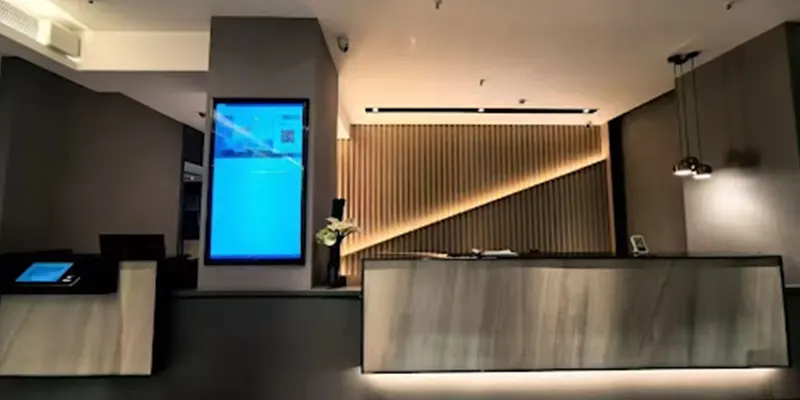
During peak check-in times, guests often feel uncertain about waiting procedures or room availability. Digital screens near the reception desk can show queue updates, estimated wait times, instructions for early check-in or luggage storage, and personalized welcome messages for groups or VIP visitors. This reduces stress, speeds up the process, and keeps guests informed without needing constant staff intervention. Some hotels even integrate the screens with check-in kiosks for a seamless self-service experience.
Event and Conference Schedules
Hotels hosting conventions, corporate meetings, or wedding events rely heavily on clear communication. Digital signage can display interactive schedules, room assignments, speaker details, and directional guides for attendees. Instead of printed signs that must be replaced each time an event changes rooms, the hotel simply updates the screen within seconds. Guests can also scan QR codes to view full schedules on their phones, making navigation even easier. This creates a polished and professional environment that event organizers appreciate.
Local Weather and Transport Updates
Travelers often need up-to-date weather forecasts, shuttle schedules, flight information, or nearby transport options. Digital signage can pull real-time data from online sources, showing guests everything they need at a glance. For example, a screen near the entrance might display traffic conditions or public transit maps, helping guests plan their day more efficiently. This small touch significantly enhances convenience, especially for business travelers or tourists unfamiliar with the area.

How to Choose the Right Digital Signage Solution
Screen Size and Placement
Choosing the ideal screen size is essential for visibility and guest comfort. Oversized screens in small hallways can feel overwhelming, while tiny displays in big lobbies are easy to overlook. Hotels should evaluate viewing distance, traffic flow, lighting conditions, and the type of content being shown. For example, lobby welcome boards should be large and bright, while meeting room signs only need compact tablets. Placement also matters—screens should be positioned at eye level, away from strong reflections, and accessible from natural walking paths where guests naturally pause or gather.
Content Strategy
A successful digital signage program relies on high-quality, meaningful content. Hotels need a clear strategy that outlines what types of content will be displayed, how often it will be updated, and who is responsible for managing it. The best content is visually appealing, easy to read from a distance, and aligned with the hotel's brand. Consistency is key—fonts, colors, logos, and tone should match across all screens. Hotels should also consider a mix of informational, promotional, and entertainment content to keep guests engaged throughout their stay.
Budget and Maintenance Costs
Hotels should consider long-term costs, including hardware lifespan, software fees, and maintenance. Digital signage generally pays for itself through increased efficiency and promotional revenue.
Conclusion
Hotel digital signage works by combining powerful software, reliable hardware, and dynamic content to enhance the guest experience. It simplifies communication, boosts branding, and helps hotels operate more efficiently. As technology evolves, digital signage will become even more interactive, personalized, and essential to modern hospitality.
FAQs
1. What type of software do hotels use for digital signage?
Hotels typically use a cloud-based Content Management System (CMS). This software allows staff to upload, design, schedule, and update content remotely. Many platforms include templates, automation tools, and analytics to help hotels improve messaging.
2. Can hotel digital signage display live information?
Yes. Digital signage systems can integrate with external data feeds such as weather services, booking systems, flight trackers, and event management tools. This allows screens to automatically show real-time updates without any manual input.
3. Is hotel digital signage expensive to maintain?
Maintenance is usually low-cost. Most expenses come from the initial purchase of screens and media players. After installation, hotels mainly pay for software subscriptions, occasional hardware replacements, and content creation—much cheaper than ongoing printing.
4. Can digital signage be used in guest rooms?
Absolutely. Many hotels are now installing in-room smart screens that show personalized greetings, hotel information, room service menus, and entertainment. This creates a premium, modern guest experience while reducing reliance on printed materials.
5. Does digital signage help increase hotel revenue?
Yes. Eye-catching digital screens can promote upsells, highlight special offers, and direct guests to paid hotel services. Hotels using digital signage often see higher sales from restaurants, spas, tours, and upgrades because guests notice and respond better to dynamic visual content.