
How to Choose Digital Signage Kiosk Manufacturers?
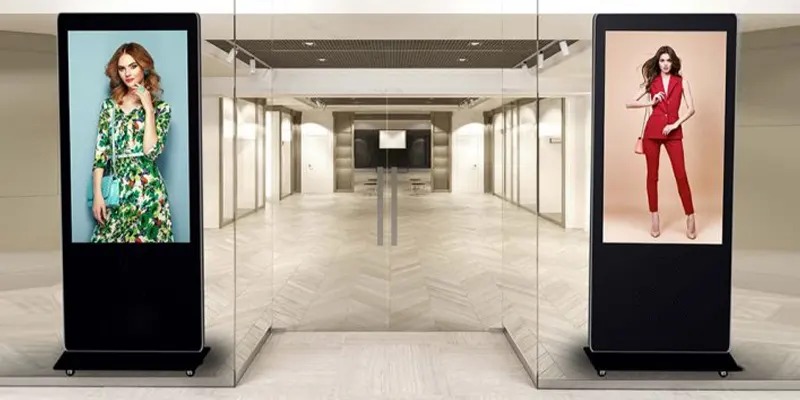
Digital signage kiosks are no longer just fancy screens sitting in malls or airports. They’ve become powerful communication tools that inform, engage, and even sell—without saying a word out loud. Choosing the right manufacturer, however, is where the real challenge begins.
With dozens of suppliers promising “premium quality” and “cutting-edge technology,” how do you separate marketing fluff from real value? Let’s break it down step by step.
1. What Is a Digital Signage Kiosk?
A digital signage kiosk is a self-contained display system designed to deliver visual content in public or commercial spaces. It can show ads, wayfinding maps, menus, self-service options, or interactive experiences.
Think of it as a silent salesperson or a 24/7 customer service agent—always on, always consistent.
2. Why Digital Signage Kiosks Matter Today?
In a world flooded with information, attention is currency. Digital kiosks grab attention instantly, adapt content in real time, and reduce reliance on printed materials. For businesses, that means lower costs, faster updates, and better engagement.
3. Understanding Your Business Needs First
Before you even look at manufacturers, you need clarity on your own needs. Otherwise, you’re shopping blind.
4. Identifying Use Cases
Retail Environments
In retail, kiosks boost sales by showcasing promotions, product details, and personalized recommendations. Interactive kiosks can even replace sales staff during peak hours.
Corporate and Office Spaces
In offices, kiosks act as digital directories, meeting room displays, and internal communication hubs. They streamline navigation and reduce confusion.
Public and Outdoor Locations
Airports, transportation hubs, and city centers need rugged, weatherproof kiosks that perform reliably under harsh conditions.
5. Defining Goals and KPIs
Before choosing a digital signage kiosk manufacturer, clearly define what you want to achieve. Goals keep your project focused, while KPIs show whether the kiosks are actually delivering results. Without them, even high-end hardware can fall short.
Start with core objectives such as increasing sales, improving customer experience, reducing wait times, or cutting operational costs. Then convert these goals into measurable KPIs like user engagement, interaction rate, dwell time, conversion rate, or time saved through self-service.
Finally, make sure your KPIs match the kiosk’s technical capabilities. Manufacturers that support analytics, remote monitoring, and data reporting make it much easier to track performance, prove ROI, and refine your digital signage strategy over time.
6. Types of Digital Signage Kiosks
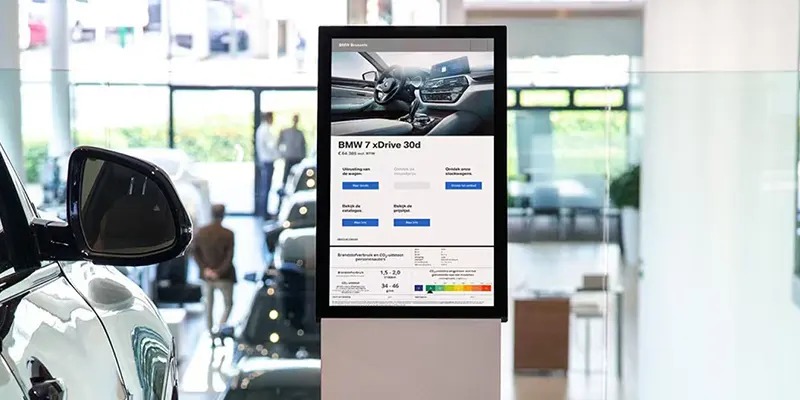
Not all kiosks are created equal. Understanding the main types helps narrow your options fast.
Indoor vs Outdoor Kiosks
Indoor kiosks focus on aesthetics and screen clarity, while outdoor kiosks prioritize durability, brightness, and weather resistance.
Interactive vs Non-Interactive Kiosks
Interactive kiosks use touchscreens or sensors, ideal for self-service. Non-interactive kiosks work best for branding and announcements.
Wall-Mounted, Floor-Standing, and Tabletop Kiosks
Space matters. Floor-standing kiosks dominate large areas, wall-mounted save space, and tabletop kiosks suit counters and receptions.
7. Software Compatibility and CMS Support
Software compatibility is just as important as hardware quality. A good digital signage kiosk manufacturer should support common operating systems like Android, Windows, or Linux, giving you flexibility and avoiding vendor lock-in.
The CMS should be easy to use and support remote content updates, scheduling, and basic performance monitoring. Whether it’s a built-in system or a third-party platform, smooth integration is key.
Finally, reliable CMS support includes regular updates, security patches, and responsive technical assistance. Strong software support ensures your kiosks remain secure, scalable, and easy to manage over time.
8. Manufacturing Experience and Industry Reputation
A manufacturer’s experience and reputation often reflect the reliability of their products and services. Companies with a long manufacturing history usually have proven production processes, better quality control, and a deeper understanding of real-world deployment challenges.
Industry reputation is equally important. Look for manufacturers that have worked with well-known brands or delivered projects in industries similar to yours. Case studies, client testimonials, and repeat customers are strong indicators of trust and performance.
Additionally, experienced manufacturers are more likely to meet international standards and certifications, ensuring compliance, safety, and long-term support. Choosing a reputable partner reduces risk and increases confidence that your digital signage kiosks will perform consistently over time.
9. Warranty and After-Sales Support
A solid warranty reflects the manufacturer’s confidence in their products and helps protect your investment. Look for clear coverage on key components like displays and touch systems, along with reasonable warranty periods.
After-sales support is just as important. Fast technical assistance, software updates, and easy access to spare parts minimize downtime and keep your digital signage kiosks running reliably over the long term.
10. Conclusion
Choosing the right digital signage kiosk manufacturer isn’t just a purchasing decision—it’s a strategic partnership. The right manufacturer supports your goals, scales with your growth, and protects your investment for years to come. By focusing on quality, customization, support, and long-term value, you’ll avoid costly mistakes and build a digital signage network that truly delivers.
11. FAQs
1. How long do digital signage kiosks last?
Most commercial-grade kiosks last 5–10 years with proper maintenance.
2. Can I use my own software with a kiosk manufacturer?
Many manufacturers support third-party CMS platforms, but always ask first.
3. What certifications should a kiosk manufacturer have?
Look for safety, quality, and regional compliance certifications relevant to your market.
4. Are outdoor kiosks worth the extra cost?
Yes, if you need visibility in public spaces. Their durability justifies the price.
5. How do I know if a manufacturer is reliable?
Check experience, client references, certifications, and support responsiveness.